THE ADVENTURE COLLECTIVE® · Independent discovery and booking for outdoor travel

Float between two ancient cities on a four-night Nile cruise that pairs leisurely river travel with daily guided visits to Karnak, the Valley of the Kings, Edfu, Kom Ombo and Philae. Practical advice for timing, gear and cultural expectations helps you focus on the ruins, not the logistics.
Float between two ancient cities on a four-night Nile cruise that pairs leisurely river travel with daily guided visits to Karnak, the Valley of the Kings, Edfu, Kom Ombo and Philae. Practical advice for timing, gear and cultural expectations helps you focus on the ruins, not the logistics.
Morning light lifts off the Nile and the ship answers with a soft churn — you watch temple silhouettes slide past while palm-lined banks inch by like pages in a history book.
Verified experiences and guided adventures in the surrounding area.
Operated by Visit Egypt Now · Luxor, Luxor Governorate
Morning light lifts off the Nile and the ship answers with a soft churn — you watch temple silhouettes slide past while palm-lined banks inch by like pages in a history book.
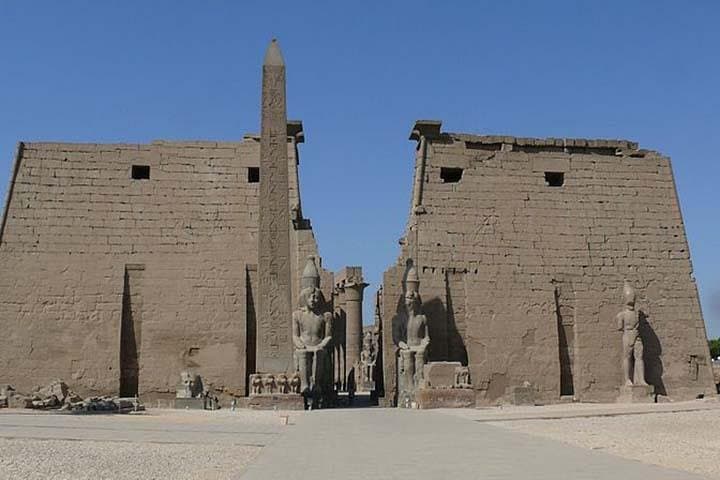
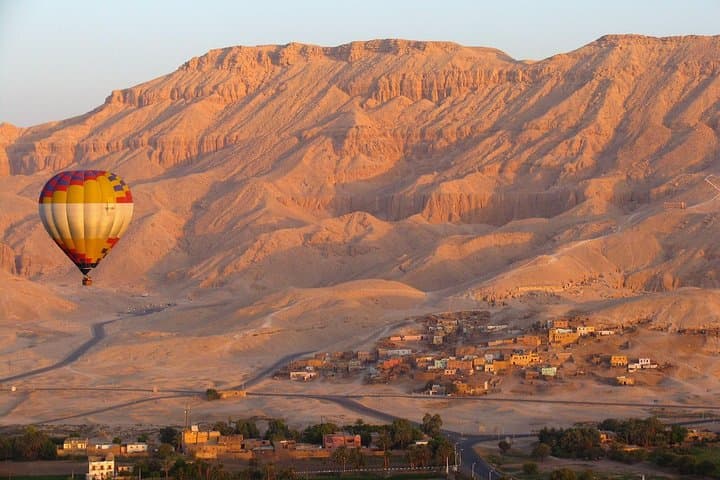
This four-night cruise threads the river between Luxor and Aswan, linking the great monuments of the New Kingdom and later Pharaonic eras. On the east bank, the hypostyle forest of Karnak and the compact Luxor Temple show colossal columns hewn to worship Amun-Ra. Across the river the Valley of the Kings cuts into limestone cliffs where painted tomb chambers survive in dry air, and Hatshepsut’s terraced mortuary temple crouches at the foot of raw sandstone. Further south, well-preserved sanctuaries at Edfu and Kom Ombo celebrate Horus and the crocodile gods; in Aswan the surface of Philae reflects off island waters while the High Dam asserts modern engineering.
Geology here is straightforward: wind- and water-scoured Nubian sandstone, pockets of alluvial floodplain soil, and the Nile’s slow current that has shaped settlements for millennia. Cultural notes are direct: a qualified Egyptologist accompanies scheduled shore visits; many sites require modest dress and a steady step over uneven stone.
Practical guidance: expect roughly 4 nights aboard with daily excursions, about 200–220 km of river travel spread over the itinerary. Bring sun protection and a brimmed hat, comfortable closed shoes for temple surfaces, and a light layer for cool mornings on deck. Carry small bills for tips and local purchases, stay hydrated in the dry climate, and time temple visits for morning or late afternoon light to avoid peak heat and crowds.
easy.
4–5 days (4 nights).
Suitable for travelers of most fitness levels who can board small boats and walk on uneven temple ground for 1–2 hours at a time.
Most nationalities require an Egyptian entry visa; check your country's requirements and ensure your passport is valid on the day of travel.
This itinerary notes entrance fees are included for scheduled visits, but optional side trips like Abu Simbel may require extra fees and transport arrangements.
Yes — the tour is rated easy physically, but parents should watch small children at water edges and in tombs with low ceilings and stairways.
Abu Simbel is an optional early-morning excursion requiring a long road transfer or a short domestic flight from Aswan; confirm availability and extra costs in advance.
This corridor was the heartland of Pharaonic power in the New Kingdom; temples and tombs here date largely from the 18th–20th Dynasties and later Ptolemaic additions.
Sites are managed to limit wear—follow photography rules, avoid touching painted surfaces and use marked paths to reduce erosion and protect fragile archaeology.
Visit Egypt Now operates guided outdoor trips and adventures with an emphasis on safety, stewardship, and memorable experiences.


Morning light lifts off the Nile and the ship answers with a soft churn — you watch temple silhouettes slide past while palm-lined banks inch by like pages in a history book.
Morning light lifts off the Nile and the ship answers with a soft churn — you watch temple silhouettes slide past while palm-lined banks inch by like pages in a history book.
This four-night cruise threads the river between Luxor and Aswan, linking the great monuments of the New Kingdom and later Pharaonic eras. On the east bank, the hypostyle forest of Karnak and the compact Luxor Temple show colossal columns hewn to worship Amun-Ra. Across the river the Valley of the Kings cuts into limestone cliffs where painted tomb chambers survive in dry air, and Hatshepsut’s terraced mortuary temple crouches at the foot of raw sandstone. Further south, well-preserved sanctuaries at Edfu and Kom Ombo celebrate Horus and the crocodile gods; in Aswan the surface of Philae reflects off island waters while the High Dam asserts modern engineering.
Geology here is straightforward: wind- and water-scoured Nubian sandstone, pockets of alluvial floodplain soil, and the Nile’s slow current that has shaped settlements for millennia. Cultural notes are direct: a qualified Egyptologist accompanies scheduled shore visits; many sites require modest dress and a steady step over uneven stone.
Practical guidance: expect roughly 4 nights aboard with daily excursions, about 200–220 km of river travel spread over the itinerary. Bring sun protection and a brimmed hat, comfortable closed shoes for temple surfaces, and a light layer for cool mornings on deck. Carry small bills for tips and local purchases, stay hydrated in the dry climate, and time temple visits for morning or late afternoon light to avoid peak heat and crowds.