THE ADVENTURE COLLECTIVE® · Independent discovery and booking for outdoor travel

Set off from Aswan for a short felucca crossing to a living Nubian village on Soheil Island. This two-hour outing pairs calm river sailing with personal visits to local homes, crafts, and riverside culture.
Set off from Aswan for a short felucca crossing to a living Nubian village on Soheil Island. This two-hour outing pairs calm river sailing with personal visits to local homes, crafts, and riverside culture.
A low-slung felucca slips from Aswan’s quay and the city’s heat loosens into river wind. Palm trunks and flat mud-brick houses of the Nubian village on the west bank come into focus as the boat rounds Soheil Island, minarets and the distant profile of the Aswan Dam receding behind. Conversation drifts between the deck and shore — greetings in Arabic and Nubian — and the current nudges the boat toward a day of village life.
Verified experiences and guided adventures in the surrounding area.
Operated by Egypt Sunrise · Aswan, Aswan Governorate
A low-slung felucca slips from Aswan’s quay and the city’s heat loosens into river wind. Palm trunks and flat mud-brick houses of the Nubian village on the west bank come into focus as the boat rounds Soheil Island, minarets and the distant profile of the Aswan Dam receding behind. Conversation drifts between the deck and shore — greetings in Arabic and Nubian — and the current nudges the boat toward a day of village life.
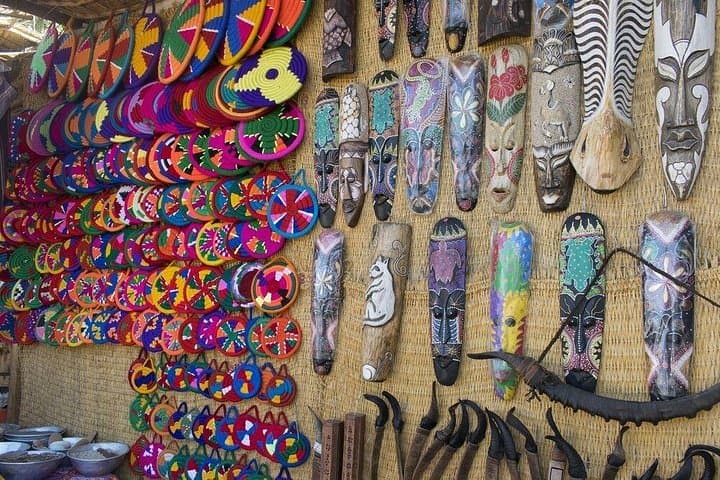
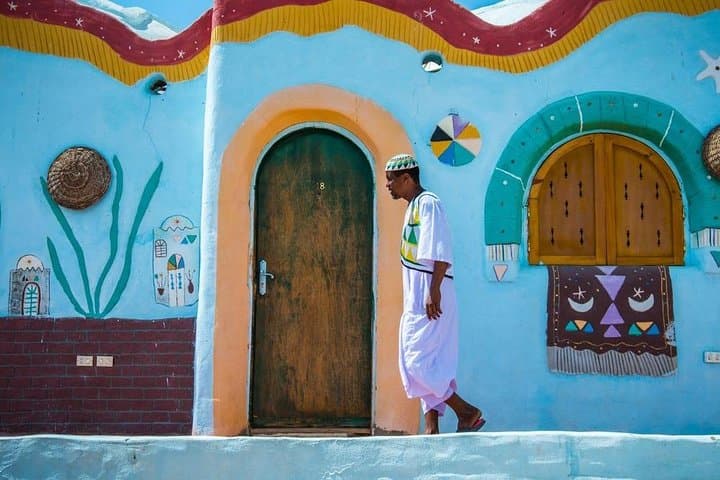
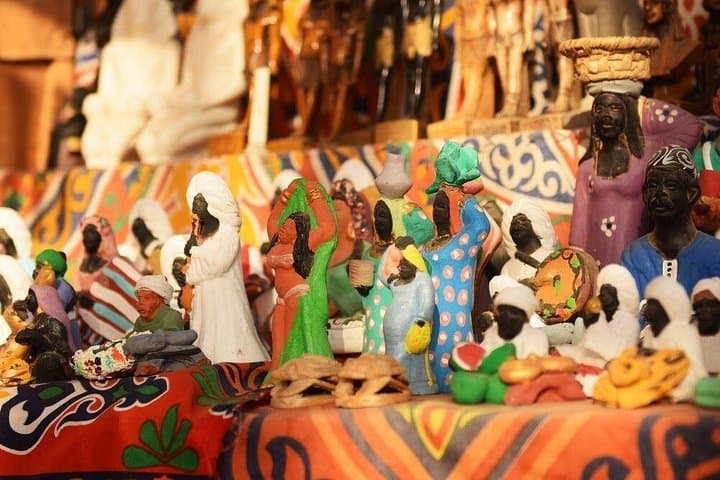
This stretch of the Nile marks the First Cataract, a geological break where granite outcrops shape the river’s flow and historically defined trade and settlement patterns. Nubian communities here retain distinct language, pottery, and colorful painted houses — cultured identities shaped by centuries of river-based life and, more recently, relocation after the Aswan High Dam.
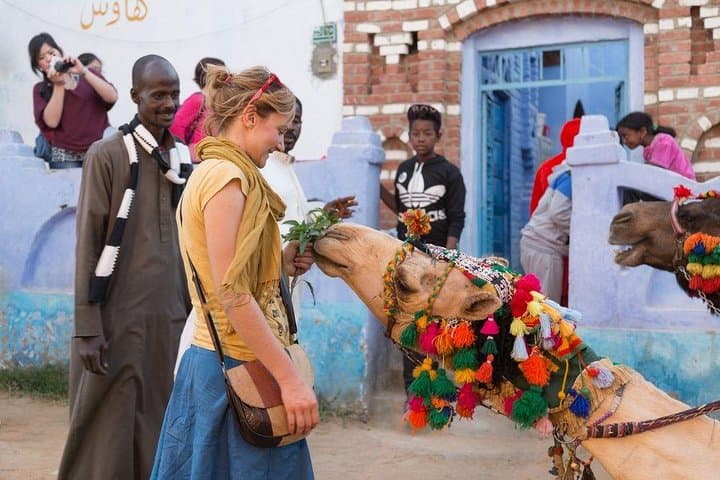
Visitors meet local families, sample simple home-cooked staples, and observe traditional weaving and boatbuilding. The village is compact and walkable, offering intimate cultural exchange rather than large-site tourism.
Practical guidance: the tour lasts about two hours door-to-door; bring sun protection, a light layer for the breezy river, and small bills for locally made crafts. Photography is welcome but ask before photographing people. The crossing is calm in the morning and late afternoon; mid-day sun is strong.
This trip suits travelers who want a short, accessible cultural stop that combines gentle boating with on-foot time in a living Nubian neighborhood—direct contact with a river-shaped way of life and minimal hiking required.
easy.
2 hours.
Suitable for most fitness levels; minimal walking on flat village paths
The tour title references a felucca-style sail, but the itinerary indicates a short motorboat crossing; expect a calm, guided river transfer rather than extended sailing.
Yes—paths are short and flat, and the tour is rated easy and wheelchair accessible; inform operators of special needs when booking.
Typical inclusions list bottled water and guide service; meals or snacks in the village are usually paid locally and can be arranged on request.
The tour runs about two hours total and includes private pickup and return to hotels or Nile cruise docks in Aswan.
The area around the First Cataract has been a crossroads of Nubian culture for millennia; many modern villages were reshaped by resettlement after the Aswan High Dam.
Support locally run guides and buy directly from artisans to ensure tourism dollars stay in the community; avoid single-use plastics and respect riverbank vegetation.
Egypt Sunrise operates guided outdoor trips and adventures with an emphasis on safety, stewardship, and memorable experiences.
A low-slung felucca slips from Aswan’s quay and the city’s heat loosens into river wind. Palm trunks and flat mud-brick houses of the Nubian village on the west bank come into focus as the boat rounds Soheil Island, minarets and the distant profile of the Aswan Dam receding behind. Conversation drifts between the deck and shore — greetings in Arabic and Nubian — and the current nudges the boat toward a day of village life.
A low-slung felucca slips from Aswan’s quay and the city’s heat loosens into river wind. Palm trunks and flat mud-brick houses of the Nubian village on the west bank come into focus as the boat rounds Soheil Island, minarets and the distant profile of the Aswan Dam receding behind. Conversation drifts between the deck and shore — greetings in Arabic and Nubian — and the current nudges the boat toward a day of village life.
This stretch of the Nile marks the First Cataract, a geological break where granite outcrops shape the river’s flow and historically defined trade and settlement patterns. Nubian communities here retain distinct language, pottery, and colorful painted houses — cultured identities shaped by centuries of river-based life and, more recently, relocation after the Aswan High Dam.
Visitors meet local families, sample simple home-cooked staples, and observe traditional weaving and boatbuilding. The village is compact and walkable, offering intimate cultural exchange rather than large-site tourism.
Practical guidance: the tour lasts about two hours door-to-door; bring sun protection, a light layer for the breezy river, and small bills for locally made crafts. Photography is welcome but ask before photographing people. The crossing is calm in the morning and late afternoon; mid-day sun is strong.
This trip suits travelers who want a short, accessible cultural stop that combines gentle boating with on-foot time in a living Nubian neighborhood—direct contact with a river-shaped way of life and minimal hiking required.