THE ADVENTURE COLLECTIVE® · Independent discovery and booking for outdoor travel

Float between pharaonic temples and Nubian shores on a three-day Nile cruise from Luxor to Aswan. This concise guide covers what you’ll see, how to prepare, and practical tips for visiting iconic sites like Abu Simbel.
Float between pharaonic temples and Nubian shores on a three-day Nile cruise from Luxor to Aswan. This concise guide covers what you’ll see, how to prepare, and practical tips for visiting iconic sites like Abu Simbel.
The boat slips away from Luxor at dawn and the Nile wakes around it — reeds whisper, small villages blink awake, and the river itself seems to encourage forward motion. On deck you feel the current like a patient guide as sandstone temples and riverine palms pass in a slow procession.
Verified experiences and guided adventures in the surrounding area.
Operated by Sure Egypt · Luxor, Luxor Governorate
The boat slips away from Luxor at dawn and the Nile wakes around it — reeds whisper, small villages blink awake, and the river itself seems to encourage forward motion. On deck you feel the current like a patient guide as sandstone temples and riverine palms pass in a slow procession.
This short cruise threads through Egypt’s pharaonic heart: valley tombs and mortuary temples of the Theban plain, the layered pylons of Karnak, the mechanical lock at Esna, and the monumental façades of Abu Simbel re-erected in the 1960s to save them from Lake Nasser. Geologically the river carves a fertile ribbon through arid plateaus, concentrating human history along its banks; culturally you’ll encounter Nubian communities, papyrus workshops, and markets where centuries-old crafts persist.
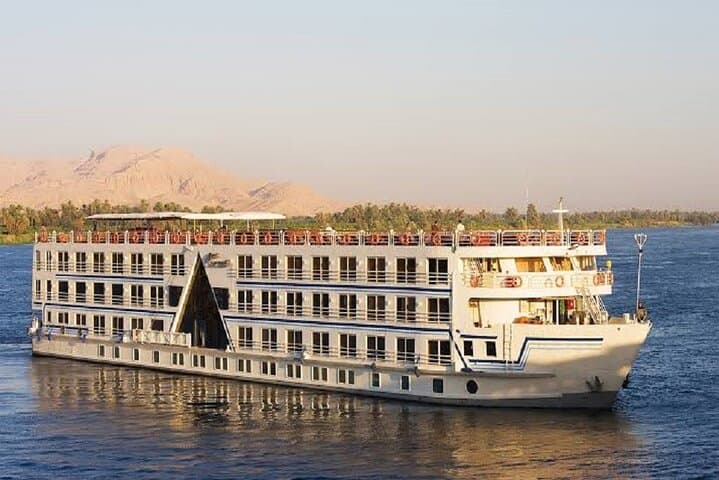
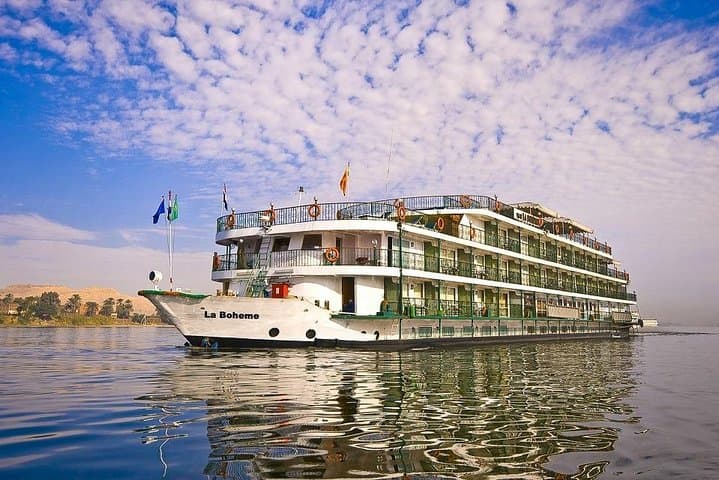
Practically, the trip balances sightseeing with downtime aboard a mid‑size 5‑star vessel: guided visits to valley tombs and temples, meals on board, and evenings spent watching sunset light smear over mud-brick islands. Expect short walks on uneven, sandy surfaces and steep temple steps; moderate heat by day and cooler nights.
Bring sun protection, sturdy closed-toe shoes for temple visits, and a small daypack for camera gear and water. Time visits early or late to avoid the hottest midday light. Respect local sites — no flash photography inside tombs, and keep to marked paths. A two-night cruise is an efficient way to experience Upper Egypt’s highlights while letting the river set the pace.
easy.
3 days.
Suitable for travelers in average fitness; expect short walks on uneven ground and stairs at temples.
Most nationalities require a visa for Egypt; check your government’s travel site and arrange either an e‑visa online or visa on arrival where available.
The itinerary includes a guided visit to Abu Simbel on day three, typically by road or optional internal transfer; confirm timing with your operator for early-morning departures.
Yes — the cruise is generally suitable for families; however, temple steps and hot days mean young children require close supervision and sun protection.
Guides commonly speak English and may offer other languages on request; verify language needs at booking to ensure a compatible guide.
This route traces the core of pharaonic Upper Egypt — from New Kingdom tombs in the Theban necropolis to Ramses II’s temples at Abu Simbel, relocated before Lake Nasser filled.
High visitor numbers and river traffic stress fragile sites; opt for guided paths, avoid touching reliefs, and support locally run conservation initiatives when possible.
Sure Egypt operates guided outdoor trips and adventures with an emphasis on safety, stewardship, and memorable experiences.
The boat slips away from Luxor at dawn and the Nile wakes around it — reeds whisper, small villages blink awake, and the river itself seems to encourage forward motion. On deck you feel the current like a patient guide as sandstone temples and riverine palms pass in a slow procession.
The boat slips away from Luxor at dawn and the Nile wakes around it — reeds whisper, small villages blink awake, and the river itself seems to encourage forward motion. On deck you feel the current like a patient guide as sandstone temples and riverine palms pass in a slow procession.
This short cruise threads through Egypt’s pharaonic heart: valley tombs and mortuary temples of the Theban plain, the layered pylons of Karnak, the mechanical lock at Esna, and the monumental façades of Abu Simbel re-erected in the 1960s to save them from Lake Nasser. Geologically the river carves a fertile ribbon through arid plateaus, concentrating human history along its banks; culturally you’ll encounter Nubian communities, papyrus workshops, and markets where centuries-old crafts persist.
Practically, the trip balances sightseeing with downtime aboard a mid‑size 5‑star vessel: guided visits to valley tombs and temples, meals on board, and evenings spent watching sunset light smear over mud-brick islands. Expect short walks on uneven, sandy surfaces and steep temple steps; moderate heat by day and cooler nights.
Bring sun protection, sturdy closed-toe shoes for temple visits, and a small daypack for camera gear and water. Time visits early or late to avoid the hottest midday light. Respect local sites — no flash photography inside tombs, and keep to marked paths. A two-night cruise is an efficient way to experience Upper Egypt’s highlights while letting the river set the pace.