THE ADVENTURE COLLECTIVE® · Independent discovery and booking for outdoor travel

Glide from Luxor to Aswan on a five-day private Nile cruise that pairs leisurely river time with expert-led visits to Karnak, the Valley of the Kings, Edfu, Kom Ombo and Philae. Expect guided archaeology, sunset felucca sails and comfortable 5-star on-board service.
Glide from Luxor to Aswan on a five-day private Nile cruise that pairs leisurely river time with expert-led visits to Karnak, the Valley of the Kings, Edfu, Kom Ombo and Philae. Expect guided archaeology, sunset felucca sails and comfortable 5-star on-board service.
The cruise slips away from Luxor at dawn, the river widening into a strip of light while village palms lean close like curious onlookers. On deck, the current pulls you southward and the scene alternates between flat irrigated fields, low basalt cliffs and temple fronts that appear as if revealed by the slow turning of an enormous page.
Verified experiences and guided adventures in the surrounding area.
Operated by Egypt Gift Tours · Luxor, Luxor Governorate
The cruise slips away from Luxor at dawn, the river widening into a strip of light while village palms lean close like curious onlookers. On deck, the current pulls you southward and the scene alternates between flat irrigated fields, low basalt cliffs and temple fronts that appear as if revealed by the slow turning of an enormous page.
This section of the Nile carries five millennia of human work: pharaonic quarries and New Kingdom mortuary complexes, Ptolemaic monuments and modern projects such as the Aswan High Dam. Geologically the valley is framed by Miocene limestone plateaus and river-deposited alluvium that made agriculture possible and birthed the temples you’ll visit—Karnak and Luxor, the Valley of the Kings, Edfu’s Horus Temple, Kom Ombo’s double sanctuary and Philae’s island shrine.
Culturally expect a layered history: ancient ritual sites repurposed across empires, Nubian stories in Aswan, and living river communities that still launch feluccas at sunset. Local guides—Egyptologists—translate symbols into practical narratives: why temple pylons face east, how burial chambers were hidden in rock, and how the High Dam reshaped the Nile’s ecology.
Practical guidance: book morning temple visits to avoid the heat, carry Egyptian pounds for small fees and tips, and wear sturdy closed shoes for uneven temple stones and stairs. Hydrate on deck; sun protection is essential. Expect gentle daily walks, short transfers by AC vehicle, and optional horse-carriage or felucca rides. The pace balances calm river time with concentrated shore excursions—an itinerary built to be rich in sights while easy on stamina.
easy.
5 days.
Suitable for travelers in average fitness—requires walking on uneven ground, climbing stairs in temples, and brief transfers by vehicle.
Most entrance fees are not included; the operator notes visitors will need to pay site admissions—have a card and some Egyptian cash for certain sites.
Excursions are generally low-impact but involve walking on uneven surfaces and stairs—moderate mobility is recommended.
Yes—this multi-day cruise is family-friendly and physically accessible, though children must be supervised at temples and near water.
Yes—transfers from Luxor West Bank or Aswan West Bank hotels are available for an extra fee per person as noted by the operator.
This stretch of the Nile was the economic and ceremonial heart of Pharaonic Egypt; temples here span New Kingdom, Ptolemaic and Roman phases, reflecting centuries of layered occupation.
Rising tourist pressure and changes from the Aswan High Dam have altered river ecology—travelers can reduce impact by avoiding single-use plastics and respecting marked archaeological areas.
Egypt Gift Tours operates guided outdoor trips and adventures with an emphasis on safety, stewardship, and memorable experiences.

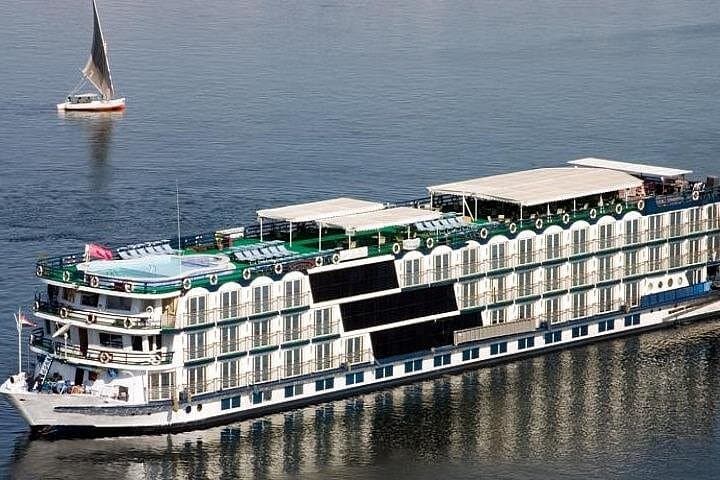
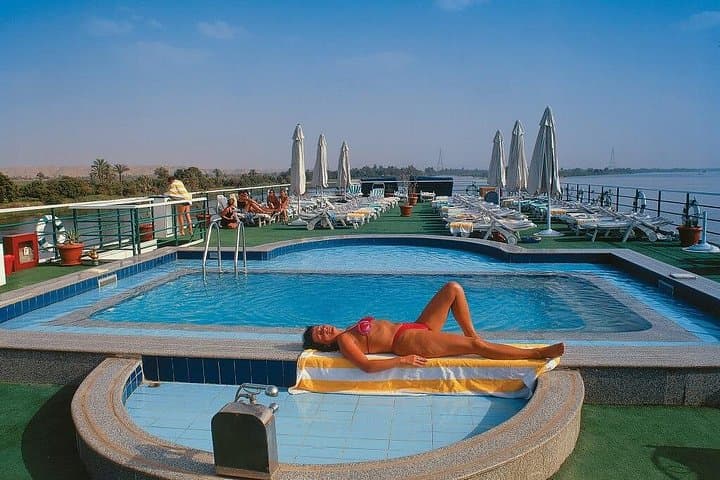
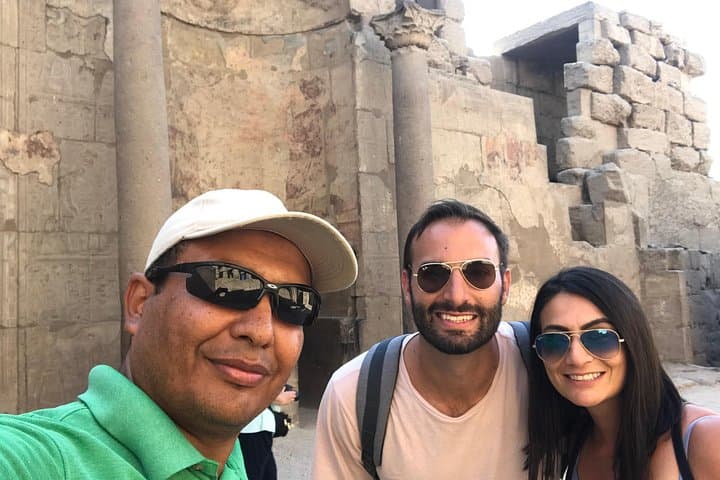
The cruise slips away from Luxor at dawn, the river widening into a strip of light while village palms lean close like curious onlookers. On deck, the current pulls you southward and the scene alternates between flat irrigated fields, low basalt cliffs and temple fronts that appear as if revealed by the slow turning of an enormous page.
The cruise slips away from Luxor at dawn, the river widening into a strip of light while village palms lean close like curious onlookers. On deck, the current pulls you southward and the scene alternates between flat irrigated fields, low basalt cliffs and temple fronts that appear as if revealed by the slow turning of an enormous page.
This section of the Nile carries five millennia of human work: pharaonic quarries and New Kingdom mortuary complexes, Ptolemaic monuments and modern projects such as the Aswan High Dam. Geologically the valley is framed by Miocene limestone plateaus and river-deposited alluvium that made agriculture possible and birthed the temples you’ll visit—Karnak and Luxor, the Valley of the Kings, Edfu’s Horus Temple, Kom Ombo’s double sanctuary and Philae’s island shrine.
Culturally expect a layered history: ancient ritual sites repurposed across empires, Nubian stories in Aswan, and living river communities that still launch feluccas at sunset. Local guides—Egyptologists—translate symbols into practical narratives: why temple pylons face east, how burial chambers were hidden in rock, and how the High Dam reshaped the Nile’s ecology.
Practical guidance: book morning temple visits to avoid the heat, carry Egyptian pounds for small fees and tips, and wear sturdy closed shoes for uneven temple stones and stairs. Hydrate on deck; sun protection is essential. Expect gentle daily walks, short transfers by AC vehicle, and optional horse-carriage or felucca rides. The pace balances calm river time with concentrated shore excursions—an itinerary built to be rich in sights while easy on stamina.