THE ADVENTURE COLLECTIVE® · Independent discovery and booking for outdoor travel

Sail a classic dahabiya from Aswan to Luxor over four days, combining relaxed river travel with guided visits to Philae, Kom Ombo, Edfu, the Valley of the Kings and Karnak. Expect comfortable accommodations, expert Egyptologist commentary, and separate entrance fees for major sites.
Sail a classic dahabiya from Aswan to Luxor over four days, combining relaxed river travel with guided visits to Philae, Kom Ombo, Edfu, the Valley of the Kings and Karnak. Expect comfortable accommodations, expert Egyptologist commentary, and separate entrance fees for major sites.
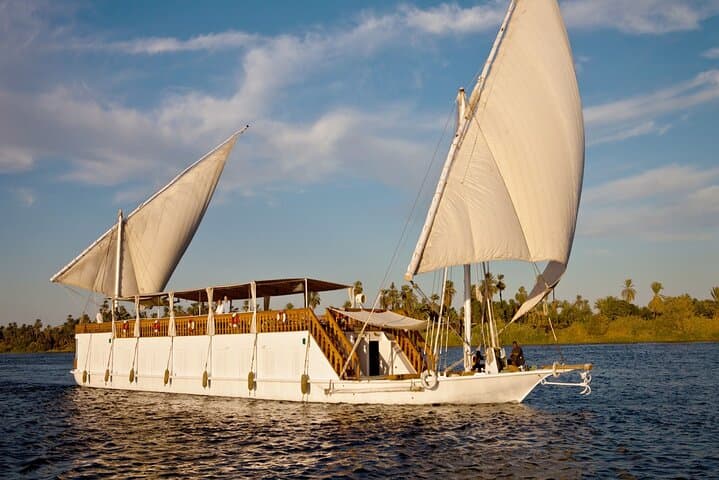
Dawn lifts a low sun across the Nile and the slim wooden dahabiya slips away from Aswan’s quayside. On deck, the river breathes—fishermen in feluccas, mud-brick villages, and palm groves sliding past as the ship hums beneath canvas.
Verified experiences and guided adventures in the surrounding area.
Operated by Egypt Best Day Tours · Aswan, Aswan Governorate
Dawn lifts a low sun across the Nile and the slim wooden dahabiya slips away from Aswan’s quayside. On deck, the river breathes—fishermen in feluccas, mud-brick villages, and palm groves sliding past as the ship hums beneath canvas.
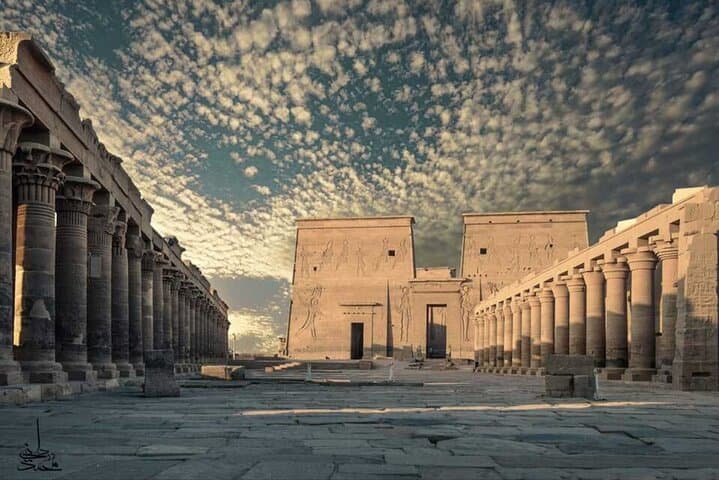
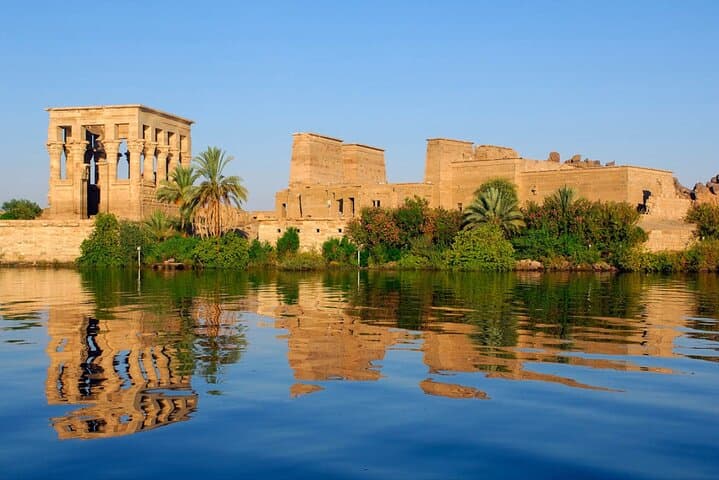
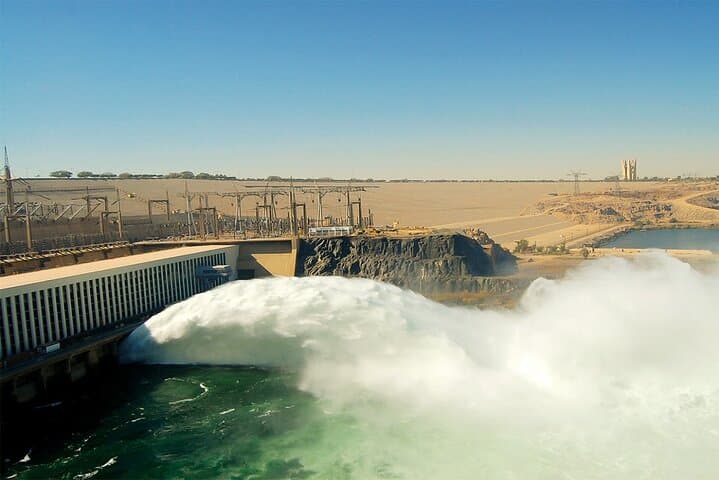
This four-day voyage traces roughly 200–250 km of river that has threaded Egyptian history for millennia. Passengers move between eras: Philae’s island temple rebuilt stone-by-stone, the modern bulk of the Aswan High Dam, Kom Ombo’s dual sanctuaries, and Edfu’s intact reliefs dedicated to Horus. The route crosses varied geology—soft Nile sediments and sandstone cliffs on the West Bank that hold the Valley of the Kings—and cuts through human landscapes of Nubian and Egyptian village life.
Culturally, the trip is equal parts cruise and curated archaeology: Egyptologists interpret hieroglyphs, local crews prepare full-board meals, and brief stops let visitors walk temple courts and climb ancient ramps. Practicalities matter: many monuments charge separate entrance fees and some sites require stair-climbing and short walks over uneven stone.
Expect gentle days of sailing interleaved with focused temple visits and transfers by launch or horse-and-carriage in Edfu. Bring layered sun protection, comfortable walking shoes, spare cash in small bills for admissions and tips, and a compact daypack. Time visits for morning or late afternoon light to avoid the midday heat and to see carved reliefs in sharper relief. The experience mixes slow travel and concentrated exploration—an accessible way to see Egypt’s Nile corridor with comfort and expert context.
easy.
3 nights / 4 days.
Suitable for most travelers; requires short non-technical walks, stair climbing, and boarding launches.
No — major temple and tomb entrance fees are typically not included and are payable on site or in local currency as noted by your operator.
The voyage normally begins in Aswan and disembarks in Luxor with transfers to hotels, airport, or train station included.
Yes — the dahabiya pace is relaxed and the itinerary is labeled suitable for all fitness levels, though expect short walks and stairs at archaeological sites.
Full-board meals are provided aboard the dahabiya as stated, but alcoholic drinks and specialty items may carry extra cost.
The route follows millennia of Egyptian civilization—Pharaonic temples, Ptolemaic additions and modern projects like the Aswan High Dam that reshaped the Nile's flow.
Visitors should minimize plastic waste, stay on designated paths at archaeological sites, and respect local communities; many sites are vulnerable to foot traffic and environmental stress.
Egypt Best Day Tours operates guided outdoor trips and adventures with an emphasis on safety, stewardship, and memorable experiences.
Dawn lifts a low sun across the Nile and the slim wooden dahabiya slips away from Aswan’s quayside. On deck, the river breathes—fishermen in feluccas, mud-brick villages, and palm groves sliding past as the ship hums beneath canvas.
Dawn lifts a low sun across the Nile and the slim wooden dahabiya slips away from Aswan’s quayside. On deck, the river breathes—fishermen in feluccas, mud-brick villages, and palm groves sliding past as the ship hums beneath canvas.
This four-day voyage traces roughly 200–250 km of river that has threaded Egyptian history for millennia. Passengers move between eras: Philae’s island temple rebuilt stone-by-stone, the modern bulk of the Aswan High Dam, Kom Ombo’s dual sanctuaries, and Edfu’s intact reliefs dedicated to Horus. The route crosses varied geology—soft Nile sediments and sandstone cliffs on the West Bank that hold the Valley of the Kings—and cuts through human landscapes of Nubian and Egyptian village life.
Culturally, the trip is equal parts cruise and curated archaeology: Egyptologists interpret hieroglyphs, local crews prepare full-board meals, and brief stops let visitors walk temple courts and climb ancient ramps. Practicalities matter: many monuments charge separate entrance fees and some sites require stair-climbing and short walks over uneven stone.
Expect gentle days of sailing interleaved with focused temple visits and transfers by launch or horse-and-carriage in Edfu. Bring layered sun protection, comfortable walking shoes, spare cash in small bills for admissions and tips, and a compact daypack. Time visits for morning or late afternoon light to avoid the midday heat and to see carved reliefs in sharper relief. The experience mixes slow travel and concentrated exploration—an accessible way to see Egypt’s Nile corridor with comfort and expert context.