THE ADVENTURE COLLECTIVE® · Independent discovery and booking for outdoor travel

A three-day, two-night 5-star Nile cruise linking Aswan and Luxor with guided visits to Abu Simbel, Kom Ombo, Edfu and the temples of Luxor. Expect early starts, heat, short walks on uneven stone, and a relaxed river pace with meals and transfers included.
A three-day, two-night 5-star Nile cruise linking Aswan and Luxor with guided visits to Abu Simbel, Kom Ombo, Edfu and the temples of Luxor. Expect early starts, heat, short walks on uneven stone, and a relaxed river pace with meals and transfers included.
Daybreak on the Nile feels deliberate: the river slips past, warming from slate to gold, the boat’s engines a patient heartbeat underfoot.
Verified experiences and guided adventures in the surrounding area.
Operated by Otto Travel · Aswan, Aswan Governorate
Daybreak on the Nile feels deliberate: the river slips past, warming from slate to gold, the boat’s engines a patient heartbeat underfoot.
You begin in Aswan, collected before dawn and driven into the desert for Abu Simbel, where colossal faces of Ramses II stare back at the sunrise. Back aboard, the ship eases into the river’s slow current and the temples arrive like chapters—Kom Ombo clinging to its island rise, Edfu framed by the low Nile bank, then Luxor’s twin banks revealing funerary cliffs and columned halls.
Geology here is simple and stark: the Nile’s alluvial ribbon carves life into a broad sand plain between granite outcrops and limestone cliffs at Deir el-Bahari. Culture hangs on the river—Nubian islands, papyrus-making, alabaster workshops and markets that still trade in spices and memory.
Historically, these stops span millennia: pharaonic mortuary complexes, Greco-Roman additions and Ptolemaic shrines layered one on another. That makes timing and context essential—your Egyptologist guide maps symbolism as you move from shrine to tomb.
Practical notes: expect early departures, hot midday sun and short walks across uneven stone. The cruise is comfortable—meals, cabins and transfers included—but temple visits require modest dress, sturdy shoes, sun protection, and local currency for small purchases and tips.
Travelers leave with saturated images: column forests, carved reliefs, and a river that insists you slow down. Plan for heat, pace your camera time, and let the Nile set your rhythm.
easy.
3 days (approx. 72 hours).
Suitable for travelers in average physical condition; involves short walks, stairs and some uneven surfaces.
Some admissions may be included depending on the operator; check your booking—this itinerary typically includes guided visits but individual entrance fees are often covered in the tour package.
The cruise itself is low-impact; temple visits involve short walks, stairs and uneven surfaces—average mobility is sufficient but travelers should be comfortable with moderate walking.
Most nationalities require a tourist visa for Egypt—obtain one in advance or on arrival as applicable; confirm requirements with your embassy before travel.
Carry Egyptian pounds for small purchases and tipping; tipping is customary for guides, drivers and crew—budget modest amounts per person per service.
The cruise links Ptolemaic and New Kingdom sites—Abu Simbel’s rock-cut temples, Ptolemaic Edfu and Kom Ombo, and Luxor’s Theban complexes illustrate millennia of ritual and royal power.
Archaeological sites are fragile; travelers should avoid touching reliefs and limit plastic waste on board—support local conservation by choosing operators with waste-management practices.
Otto Travel operates guided outdoor trips and adventures with an emphasis on safety, stewardship, and memorable experiences.
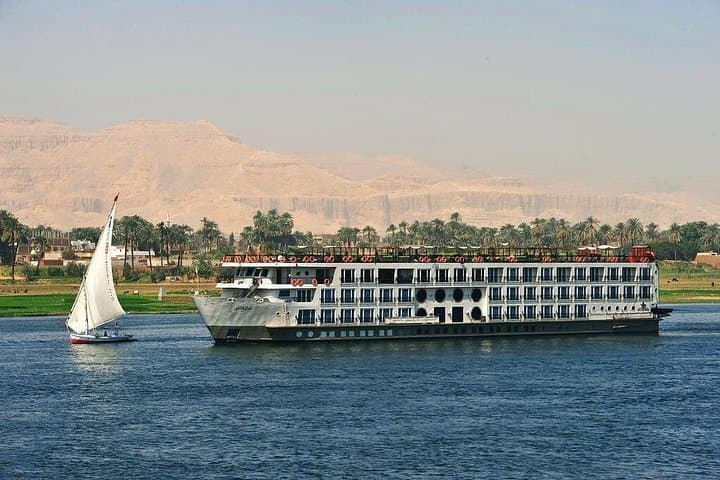
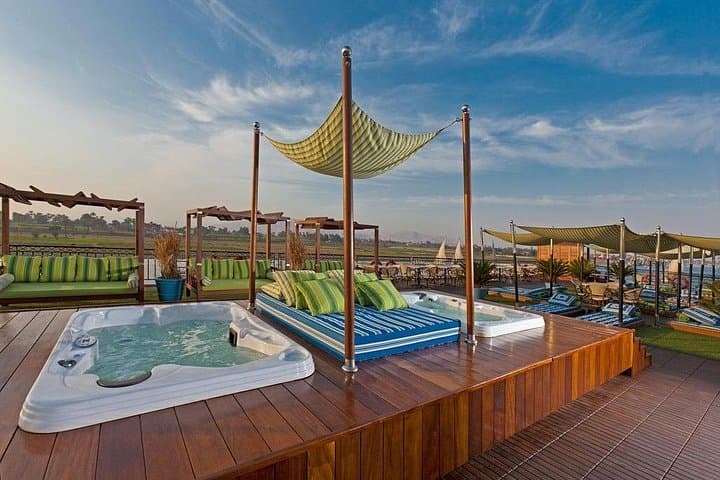
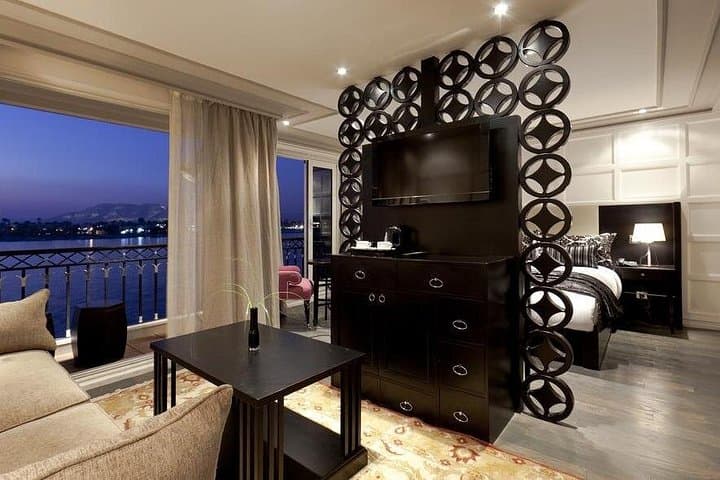
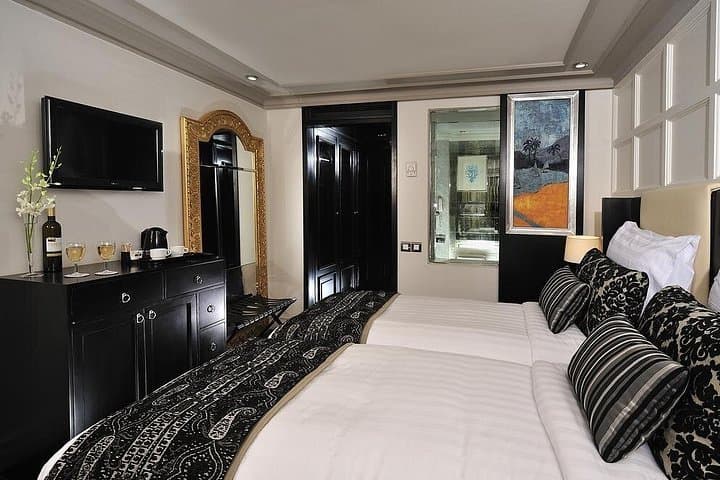
Daybreak on the Nile feels deliberate: the river slips past, warming from slate to gold, the boat’s engines a patient heartbeat underfoot.
Daybreak on the Nile feels deliberate: the river slips past, warming from slate to gold, the boat’s engines a patient heartbeat underfoot.
You begin in Aswan, collected before dawn and driven into the desert for Abu Simbel, where colossal faces of Ramses II stare back at the sunrise. Back aboard, the ship eases into the river’s slow current and the temples arrive like chapters—Kom Ombo clinging to its island rise, Edfu framed by the low Nile bank, then Luxor’s twin banks revealing funerary cliffs and columned halls.
Geology here is simple and stark: the Nile’s alluvial ribbon carves life into a broad sand plain between granite outcrops and limestone cliffs at Deir el-Bahari. Culture hangs on the river—Nubian islands, papyrus-making, alabaster workshops and markets that still trade in spices and memory.
Historically, these stops span millennia: pharaonic mortuary complexes, Greco-Roman additions and Ptolemaic shrines layered one on another. That makes timing and context essential—your Egyptologist guide maps symbolism as you move from shrine to tomb.
Practical notes: expect early departures, hot midday sun and short walks across uneven stone. The cruise is comfortable—meals, cabins and transfers included—but temple visits require modest dress, sturdy shoes, sun protection, and local currency for small purchases and tips.
Travelers leave with saturated images: column forests, carved reliefs, and a river that insists you slow down. Plan for heat, pace your camera time, and let the Nile set your rhythm.