THE ADVENTURE COLLECTIVE® · Independent discovery and booking for outdoor travel

Drift between Aswan and Luxor on a two-night Nile cruise that pairs relaxed river sailing with guided visits to Kom Ombo, Edfu and Luxor. Expect morning market views, temple walks on uneven stone, and a dawn balloon option over the Valley of the Kings.
Drift between Aswan and Luxor on a two-night Nile cruise that pairs relaxed river sailing with guided visits to Kom Ombo, Edfu and Luxor. Expect morning market views, temple walks on uneven stone, and a dawn balloon option over the Valley of the Kings.
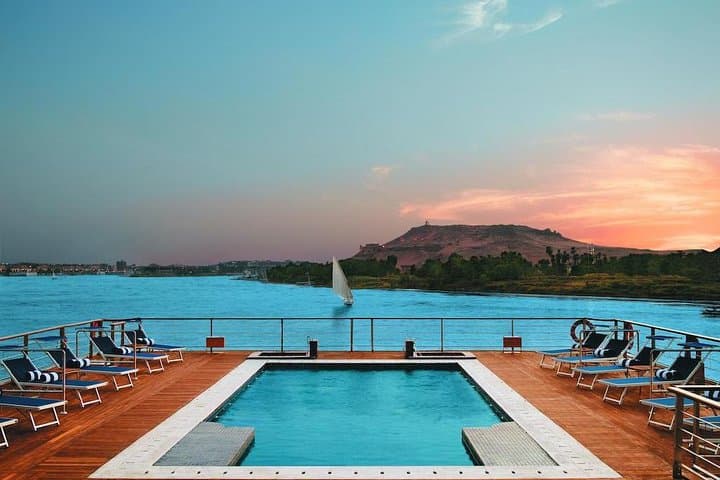
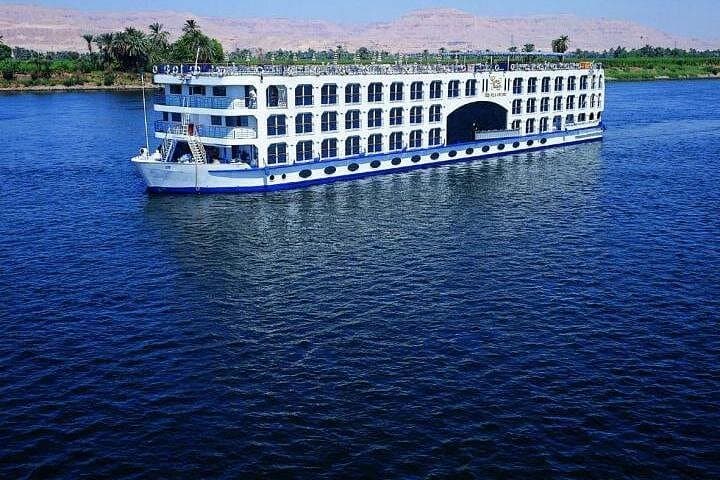
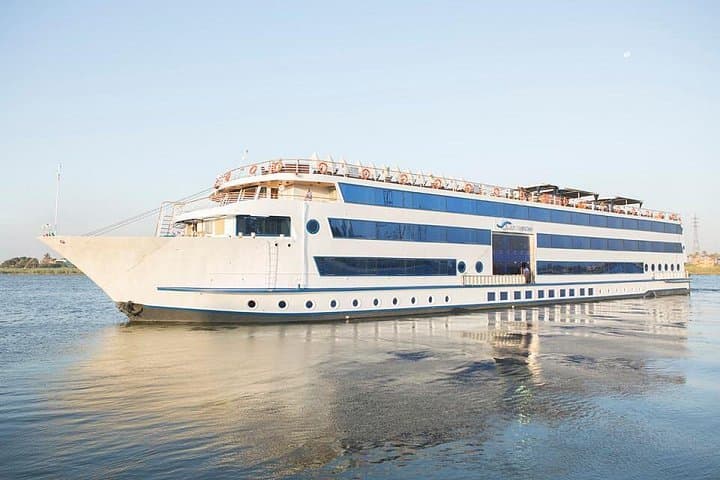
By mid-afternoon the Nile widens, and the cruise slips away from Aswan’s granite quays with a slow, sure rhythm. Deck chairs angle toward a sky that flares at sunset; islands cut the river into channels that dare you to look closer. Onboard, conversations quiet as temple silhouettes appear on the banks — crenellated pylons, colossi, and the flat-backed profiles of desert ridges.
Verified experiences and guided adventures in the surrounding area.
Operated by Nile Prince Travel · Aswan, Aswan Governorate
By mid-afternoon the Nile widens, and the cruise slips away from Aswan’s granite quays with a slow, sure rhythm. Deck chairs angle toward a sky that flares at sunset; islands cut the river into channels that dare you to look closer. Onboard, conversations quiet as temple silhouettes appear on the banks — crenellated pylons, colossi, and the flat-backed profiles of desert ridges.
This two-night cruise follows a route steeped in pharaonic history and layered geology. The alluvial plains of Upper Egypt were shaped by annual floods that deposited sand and silt, and the temples at Kom Ombo, Edfu and Luxor reflect millennia of religious practice and royal ambition. Cultural notes: Kom Ombo’s dual sanctuary honors Sobek and Horus; Edfu’s Temple of Horus is the best-preserved Ptolemaic temple; Luxor and the Valley of the Kings showcase New Kingdom funerary architecture. The cruise pairs slow river travel with short, guided land tours and an optional hot-air balloon flight at dawn.
Practical guide: expect multiple short walks on uneven, often sandy surfaces and stairs at temple sites; comfortable closed-toe shoes and a hat are essential. Heat management is central — carry water, sun protection and a light cover for early mornings. Bring local currency for tips and small purchases; admission fees for some sites are typically not included. Plan photography around golden hours (sunrise from the balloon, sunset from deck). If motion sensitivity is a concern, pick a midship cabin and sit on deck when you can. The itinerary balances slow cruising with concentrated archaeological highlights, offering a compact, accessible way to experience the Nile’s living history.
moderate.
2–3 days.
Light to moderate fitness; able to walk 1–3 miles across uneven, stair-stepped archaeological sites and stand for guided talks.
Yes — the itinerary is a sailing cruise between Aswan and Luxor with transfers to and from the dock included as described by the operator.
The tour lists many site visits but admissions can vary; confirm which specific tickets are covered at booking and bring cash for any onsite fees.
The cruise notes wheelchair-accessible transport, but many temple sites have steps and uneven ground—check specific accessibility needs with the operator before booking.
Visitors should check current Egyptian visa rules and routine travel vaccinations; consult a travel clinic for personalized medical advice.
This corridor of the Nile hosted continuous settlement and temple-building across millennia; many sites date to the New Kingdom and later Ptolemaic restorations.
Archaeological sites are vulnerable to erosion and visitor impact; minimize disturbance, stay on marked paths, and support local conservation fees when offered.
Nile Prince Travel operates guided outdoor trips and adventures with an emphasis on safety, stewardship, and memorable experiences.
By mid-afternoon the Nile widens, and the cruise slips away from Aswan’s granite quays with a slow, sure rhythm. Deck chairs angle toward a sky that flares at sunset; islands cut the river into channels that dare you to look closer. Onboard, conversations quiet as temple silhouettes appear on the banks — crenellated pylons, colossi, and the flat-backed profiles of desert ridges.
By mid-afternoon the Nile widens, and the cruise slips away from Aswan’s granite quays with a slow, sure rhythm. Deck chairs angle toward a sky that flares at sunset; islands cut the river into channels that dare you to look closer. Onboard, conversations quiet as temple silhouettes appear on the banks — crenellated pylons, colossi, and the flat-backed profiles of desert ridges.
This two-night cruise follows a route steeped in pharaonic history and layered geology. The alluvial plains of Upper Egypt were shaped by annual floods that deposited sand and silt, and the temples at Kom Ombo, Edfu and Luxor reflect millennia of religious practice and royal ambition. Cultural notes: Kom Ombo’s dual sanctuary honors Sobek and Horus; Edfu’s Temple of Horus is the best-preserved Ptolemaic temple; Luxor and the Valley of the Kings showcase New Kingdom funerary architecture. The cruise pairs slow river travel with short, guided land tours and an optional hot-air balloon flight at dawn.
Practical guide: expect multiple short walks on uneven, often sandy surfaces and stairs at temple sites; comfortable closed-toe shoes and a hat are essential. Heat management is central — carry water, sun protection and a light cover for early mornings. Bring local currency for tips and small purchases; admission fees for some sites are typically not included. Plan photography around golden hours (sunrise from the balloon, sunset from deck). If motion sensitivity is a concern, pick a midship cabin and sit on deck when you can. The itinerary balances slow cruising with concentrated archaeological highlights, offering a compact, accessible way to experience the Nile’s living history.