THE ADVENTURE COLLECTIVE® · Independent discovery and booking for outdoor travel

Spend a wind-driven day from Trapani exploring Favignana and Levanzo by sail. Expect calm snorkeling coves, wind-dependent routing and a full day on the water with local history and marine-protected seascapes.
Spend a wind-driven day from Trapani exploring Favignana and Levanzo by sail. Expect calm snorkeling coves, wind-dependent routing and a full day on the water with local history and marine-protected seascapes.
The boat slips out of Trapani’s harbor at 9:30 and the mainland recedes into a ribbon of sun on the water. Salt and wind take over; sails are hoisted when conditions allow and engines fall silent, leaving you to feel the pitch and hush of open Tyrrhenian sea.
Verified experiences and guided adventures in the surrounding area.
Operated by Egadi sailing · Trapani, Sicily
The boat slips out of Trapani’s harbor at 9:30 and the mainland recedes into a ribbon of sun on the water. Salt and wind take over; sails are hoisted when conditions allow and engines fall silent, leaving you to feel the pitch and hush of open Tyrrhenian sea.
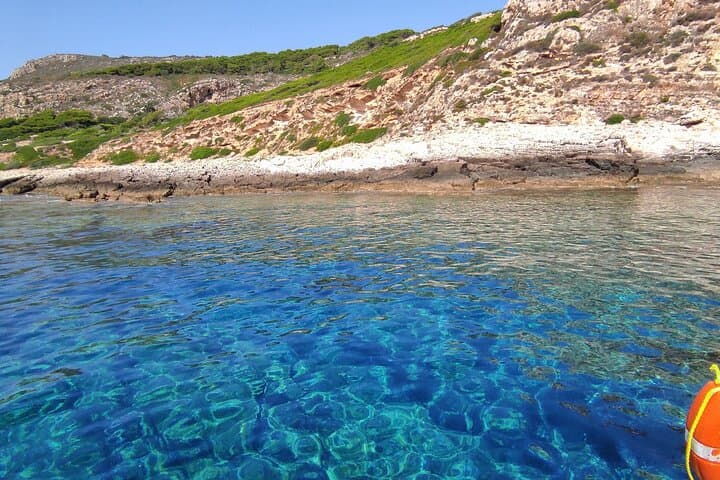
These islands—Favignana, Levanzo and Marettimo—carry layers of history: Phoenician and Roman finds, a centuries-old tuna fishery culture and limestone carved by wind and wave. Geology here is coastal limestone and volcanic outcrops; coves cut into pale rock create sudden pockets of aquamarine that expose seagrass beds and rocky reefs. Local fishing hamlets still shape island life, while the Egadi Islands Marine Protected Area preserves the seabed and the slow pace of coastal communities.
Expect an itinerary driven by wind and weather: common stops include Cala Rossa, Cala Azzurra and the cliffs around Levanzo. Snorkeling is the day’s main activity—masks provided—so plan for clear, shallow reefs, seagrass meadows and the occasional shoal of Mediterranean fish. Keep an eye out for dolphins that often shadow boats.
Practicalities: the tour runs about eight hours (9:30–18:30), departs from Trapani marina, and chooses coves by sea state. Bring a hat, reef-safe sunscreen, a waterproof bag and anti-nausea medicine if you’re prone to seasickness. Boarding can be on a quay or small ladder; mobility limitations should be discussed in advance. With respect for the protected area—no anchoring on posidonia meadows and no collection of marine life—you’ll leave the sea as you found it: ready for the next crossing.
easy.
8 hours.
Suitable for people in average physical condition who can climb a short ladder, swim a short distance and stand on a moving boat.
Departure is from Trapani marina with a safety briefing at 9:30; expected return around 18:30.
Yes, masks and snorkels are provided; bring your own if you prefer a personal fit or prescription lenses.
Stops depend on weather and sea state—guides choose sheltered coves for swimming when conditions are safe.
The operator notes infants must sit on laps and the tour is not recommended for pregnant travelers or those with serious back or heart conditions—check with the provider before booking.
The Egadi islands have long been fishing outposts with archaeological traces from Phoenician-to-Roman times; Favignana’s tonnara tuna fishery shaped local economy for centuries.
The Egadi Islands are part of a Marine Protected Area—follow no-anchoring rules on seagrass (posidonia) beds and avoid touching or collecting marine life.
Egadi sailing operates guided outdoor trips and adventures with an emphasis on safety, stewardship, and memorable experiences.
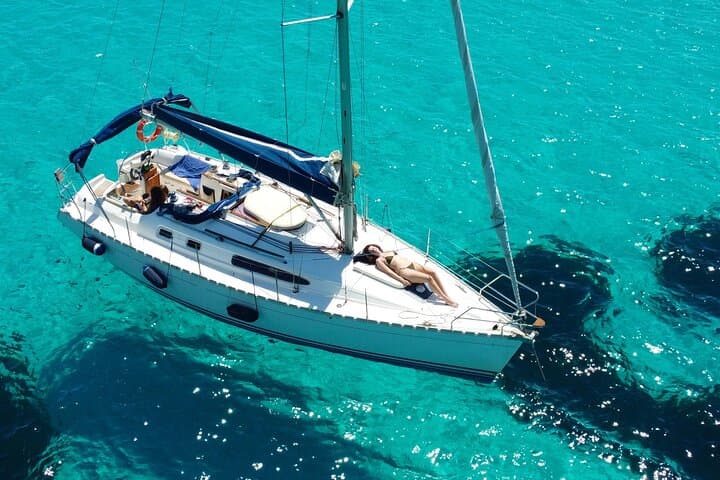
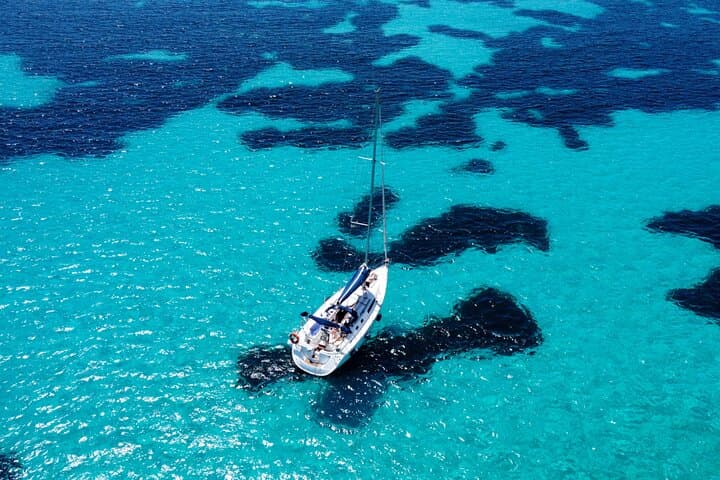
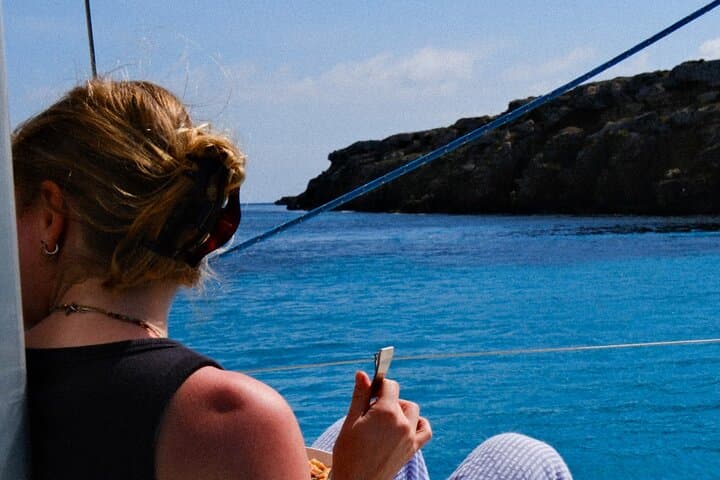
The boat slips out of Trapani’s harbor at 9:30 and the mainland recedes into a ribbon of sun on the water. Salt and wind take over; sails are hoisted when conditions allow and engines fall silent, leaving you to feel the pitch and hush of open Tyrrhenian sea.
The boat slips out of Trapani’s harbor at 9:30 and the mainland recedes into a ribbon of sun on the water. Salt and wind take over; sails are hoisted when conditions allow and engines fall silent, leaving you to feel the pitch and hush of open Tyrrhenian sea.
These islands—Favignana, Levanzo and Marettimo—carry layers of history: Phoenician and Roman finds, a centuries-old tuna fishery culture and limestone carved by wind and wave. Geology here is coastal limestone and volcanic outcrops; coves cut into pale rock create sudden pockets of aquamarine that expose seagrass beds and rocky reefs. Local fishing hamlets still shape island life, while the Egadi Islands Marine Protected Area preserves the seabed and the slow pace of coastal communities.
Expect an itinerary driven by wind and weather: common stops include Cala Rossa, Cala Azzurra and the cliffs around Levanzo. Snorkeling is the day’s main activity—masks provided—so plan for clear, shallow reefs, seagrass meadows and the occasional shoal of Mediterranean fish. Keep an eye out for dolphins that often shadow boats.
Practicalities: the tour runs about eight hours (9:30–18:30), departs from Trapani marina, and chooses coves by sea state. Bring a hat, reef-safe sunscreen, a waterproof bag and anti-nausea medicine if you’re prone to seasickness. Boarding can be on a quay or small ladder; mobility limitations should be discussed in advance. With respect for the protected area—no anchoring on posidonia meadows and no collection of marine life—you’ll leave the sea as you found it: ready for the next crossing.