THE ADVENTURE COLLECTIVE® · Independent discovery and booking for outdoor travel

Glide along the Nile on a traditional felucca, ride a camel through riotously painted Nubian lanes, and join villagers to brew coffee and bake bread at an Eco Village focused on sustainable craft. This 4–5 hour cultural immersion blends gentle river travel with hands-on local exchange.
Glide along the Nile on a traditional felucca, ride a camel through riotously painted Nubian lanes, and join villagers to brew coffee and bake bread at an Eco Village focused on sustainable craft. This 4–5 hour cultural immersion blends gentle river travel with hands-on local exchange.
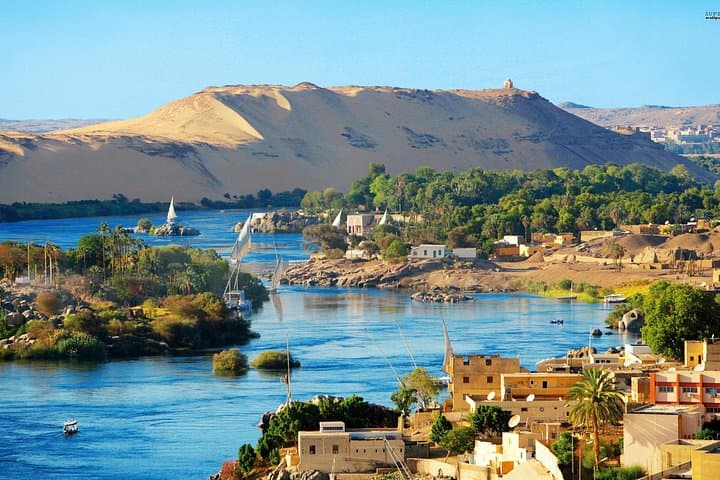
You push off from the riverbank as the felucca unfurls her white sail and the Nile pulls you downstream, reeds whispering and palms tilting like old friends. The breeze carries the smell of date palms and sun-warmed mud brick; in minutes modern Aswan recedes and the slow rhythm of river life takes over.
Verified experiences and guided adventures in the surrounding area.
Operated by Saray El-Nile · Aswan, Aswan Governorate
You push off from the riverbank as the felucca unfurls her white sail and the Nile pulls you downstream, reeds whispering and palms tilting like old friends. The breeze carries the smell of date palms and sun-warmed mud brick; in minutes modern Aswan recedes and the slow rhythm of river life takes over.
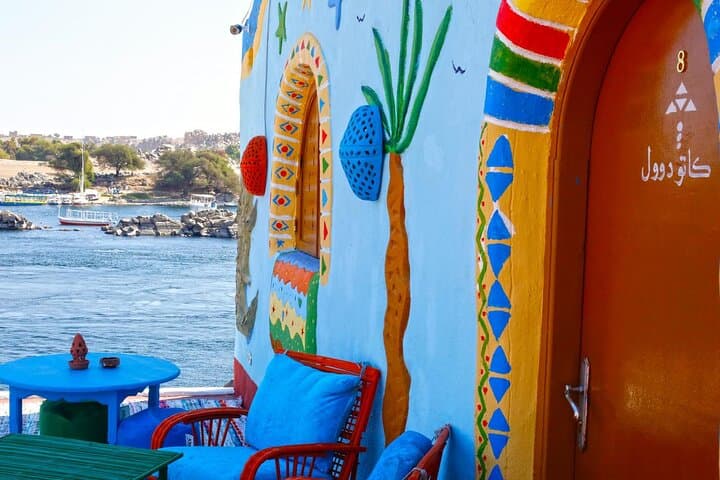
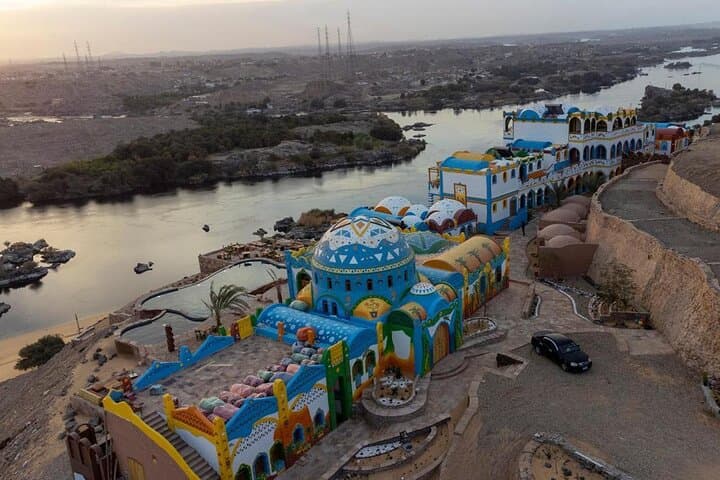
This half-day combines geology, history and living culture: the Nile’s alluvial ribbon carved the floodplain that made Nubian settlement possible, while nearby granite outcrops were quarried by pharaonic and modern hands. West Aswan’s painted houses tell family stories in bright geometric motifs; inside, rooms framed by thick mud bricks keep a cool hush. The Eco Village is a contemporary response—an intentional hub where traditional craft, mango groves and sustainable practices meet tourism.
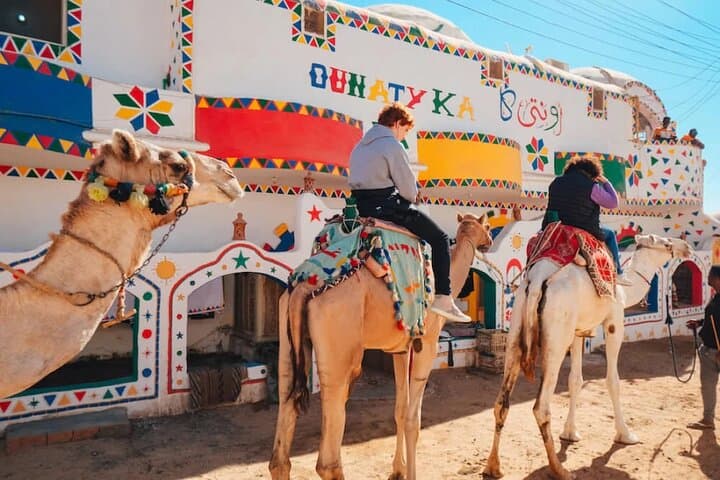
Expect hands-on moments: brewing Jappana coffee over coals, shaping flatbread, and a short camel ride through narrow lanes where locals wave and children race along compound walls. Guides explain Nubian architectural features, local agricultural practices and the role of community cooperatives supporting artisans.
Practical notes: the tour is easy-paced but sun-exposed—plan for sun protection, comfortable shoes for uneven village lanes and a steady gait for camel mounting. Bring small bills for artisan stalls and a camera with spare batteries; pickup from Aswan hotels or Nile cruises is standard. Aim for morning or late afternoon to avoid midday heat and to catch the Nile’s light at its best. The result is a neat balance of slow river travel, tactile cultural exchange and approachable rural exploration.
easy.
4–5 hours.
Suitable for most fitness levels; requires basic mobility for boarding a felucca and mounting a camel.
Yes; the tour is described as physically easy. Infants must sit on an adult’s lap during transport and activities like sailing.
Yes; the Eco Village supports artisans and there are opportunities to buy handmade items—carry small bills and inspect items before purchase.
The ride is approximately 20 minutes and typically optional; guests can observe or walk instead if preferred.
Lunch at the Nubian Eco Village is included as listed, and traditional tea/coffee tastings are provided during the house visits.
Nubia’s culture predates the pharaonic era and developed unique architecture and decorative motifs; Aswan was a frontier zone and granite source for ancient construction.
The Eco Village emphasizes sustainable tourism—supporting local artisans and limiting development—so bring reusable containers and avoid single-use plastics.
Saray El-Nile operates guided outdoor trips and adventures with an emphasis on safety, stewardship, and memorable experiences.
You push off from the riverbank as the felucca unfurls her white sail and the Nile pulls you downstream, reeds whispering and palms tilting like old friends. The breeze carries the smell of date palms and sun-warmed mud brick; in minutes modern Aswan recedes and the slow rhythm of river life takes over.
You push off from the riverbank as the felucca unfurls her white sail and the Nile pulls you downstream, reeds whispering and palms tilting like old friends. The breeze carries the smell of date palms and sun-warmed mud brick; in minutes modern Aswan recedes and the slow rhythm of river life takes over.
This half-day combines geology, history and living culture: the Nile’s alluvial ribbon carved the floodplain that made Nubian settlement possible, while nearby granite outcrops were quarried by pharaonic and modern hands. West Aswan’s painted houses tell family stories in bright geometric motifs; inside, rooms framed by thick mud bricks keep a cool hush. The Eco Village is a contemporary response—an intentional hub where traditional craft, mango groves and sustainable practices meet tourism.
Expect hands-on moments: brewing Jappana coffee over coals, shaping flatbread, and a short camel ride through narrow lanes where locals wave and children race along compound walls. Guides explain Nubian architectural features, local agricultural practices and the role of community cooperatives supporting artisans.
Practical notes: the tour is easy-paced but sun-exposed—plan for sun protection, comfortable shoes for uneven village lanes and a steady gait for camel mounting. Bring small bills for artisan stalls and a camera with spare batteries; pickup from Aswan hotels or Nile cruises is standard. Aim for morning or late afternoon to avoid midday heat and to catch the Nile’s light at its best. The result is a neat balance of slow river travel, tactile cultural exchange and approachable rural exploration.