THE ADVENTURE COLLECTIVE® · Independent discovery and booking for outdoor travel

Spend a full day sailing from Puerto Calero along Lanzarote’s coast with the option to explore Isla de Lobos. Expect anchored swims, paddleboarding, coastal cruising, and local marine insights guided by an experienced skipper.
Spend a full day sailing from Puerto Calero along Lanzarote’s coast with the option to explore Isla de Lobos. Expect anchored swims, paddleboarding, coastal cruising, and local marine insights guided by an experienced skipper.
The bow parts the Atlantic like a raised eyebrow as the marina thins behind you. From Puerto Calero, the boat leans into steady trade winds, spray teasing the foredeck and the island’s volcanic silhouette sliding into view. On a clear day Isla de Lobos sits like a pale rock outpost between Lanzarote and Fuerteventura; the skipper trims the sheets, the hull hums, and the day opens into swimming coves and wind-shaped cliffs.
Verified experiences and guided adventures in the surrounding area.
The bow parts the Atlantic like a raised eyebrow as the marina thins behind you. From Puerto Calero, the boat leans into steady trade winds, spray teasing the foredeck and the island’s volcanic silhouette sliding into view. On a clear day Isla de Lobos sits like a pale rock outpost between Lanzarote and Fuerteventura; the skipper trims the sheets, the hull hums, and the day opens into swimming coves and wind-shaped cliffs.
This stretch of the Canary archipelago reflects a recent volcanic past—pitted lava flows, black cliffs, and basalt shelves scoured by waves. Human history is lean here: small fishing settlements, maritime routes between islands, and protected marine habitats now guide how visitors move. Local culture favors relaxed, sea-aware hospitality; skippers often share navigational lore and notes on local cetaceans and seabirds.
Expect an experiential mix: cruising close to Lanzarote’s coastal rock faces, anchoring in turquoise coves, time for a swim or paddleboard, and the option to visit Isla de Lobos’ more sheltered bays when conditions allow. The skipper manages timing and route depending on wind and sea state.
Practical guidance: bring reef-appropriate footwear, reef-safe sunscreen, and a wind layer—the Atlantic can shift temperature fast. If prone to seasickness, take precautions the night before. Peak sun is midday; plan swims in the morning or late afternoon when algae and currents are gentler. Boats typically return by early evening, having covered coastal stretches and short island crossings—an approachable full-day ocean outing for those comfortable on open water.
moderate.
8 hours.
Moderate fitness: able to move on a pitching deck, climb aboard from a dinghy, and swim in open water.
Most departures are from Puerto Calero marina on the southwest side of Lanzarote; confirm your exact meeting point with the operator.
Landing or visiting Isla de Lobos depends on weather and sea conditions; the skipper will choose the safest route for the day.
Yes—most tours allow swimming and paddleboarding when anchored; bring your own gear or check availability with the operator.
Take preventive medication before boarding if you’re prone to seasickness and sit centrally on the boat for more stability.
This channel has long been a crossing route between Canary islands; modest fishing hamlets and 19th-century navigational charts shaped local maritime practice.
Isla de Lobos has protected status with limits on landings and litter; choose operators who follow no-trace anchors and promote reef-friendly sunscreen.
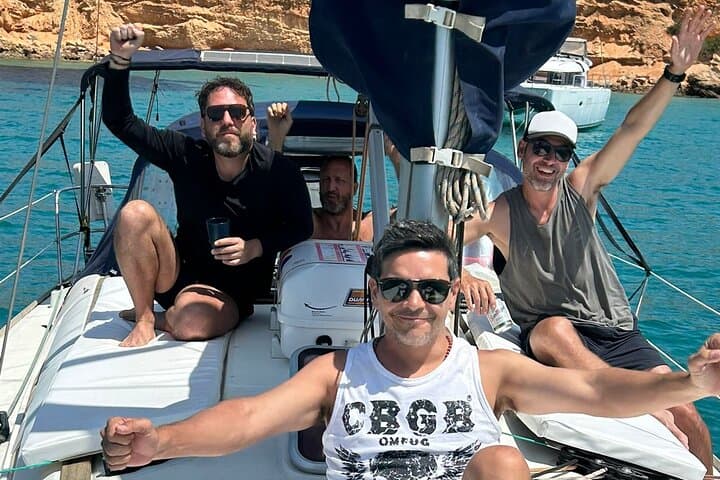
The bow parts the Atlantic like a raised eyebrow as the marina thins behind you. From Puerto Calero, the boat leans into steady trade winds, spray teasing the foredeck and the island’s volcanic silhouette sliding into view. On a clear day Isla de Lobos sits like a pale rock outpost between Lanzarote and Fuerteventura; the skipper trims the sheets, the hull hums, and the day opens into swimming coves and wind-shaped cliffs.
The bow parts the Atlantic like a raised eyebrow as the marina thins behind you. From Puerto Calero, the boat leans into steady trade winds, spray teasing the foredeck and the island’s volcanic silhouette sliding into view. On a clear day Isla de Lobos sits like a pale rock outpost between Lanzarote and Fuerteventura; the skipper trims the sheets, the hull hums, and the day opens into swimming coves and wind-shaped cliffs.
This stretch of the Canary archipelago reflects a recent volcanic past—pitted lava flows, black cliffs, and basalt shelves scoured by waves. Human history is lean here: small fishing settlements, maritime routes between islands, and protected marine habitats now guide how visitors move. Local culture favors relaxed, sea-aware hospitality; skippers often share navigational lore and notes on local cetaceans and seabirds.
Expect an experiential mix: cruising close to Lanzarote’s coastal rock faces, anchoring in turquoise coves, time for a swim or paddleboard, and the option to visit Isla de Lobos’ more sheltered bays when conditions allow. The skipper manages timing and route depending on wind and sea state.
Practical guidance: bring reef-appropriate footwear, reef-safe sunscreen, and a wind layer—the Atlantic can shift temperature fast. If prone to seasickness, take precautions the night before. Peak sun is midday; plan swims in the morning or late afternoon when algae and currents are gentler. Boats typically return by early evening, having covered coastal stretches and short island crossings—an approachable full-day ocean outing for those comfortable on open water.