THE ADVENTURE COLLECTIVE® · Independent discovery and booking for outdoor travel

Trade noisy decks for teak and silence on an intimate Dahabiya as you sail Luxor to Aswan. Over eight days explore Karnak, Edfu, Kom Ombo, Philae and the hidden quarries of Gebel el-Silsila with an Egyptologist guiding the way.
Trade noisy decks for teak and silence on an intimate Dahabiya as you sail Luxor to Aswan. Over eight days explore Karnak, Edfu, Kom Ombo, Philae and the hidden quarries of Gebel el-Silsila with an Egyptologist guiding the way.
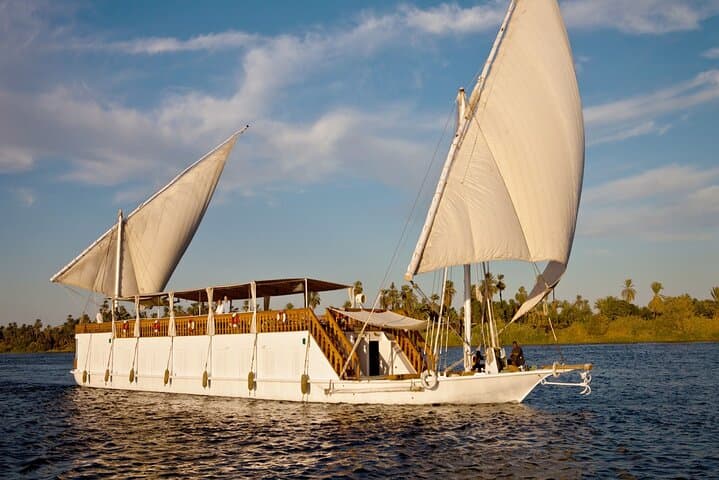
The Nile slips by like a slow-moving story: reed beds blur into palm groves, children wave from mud-brick banks, and the low profile of a Dahabiya cuts a quiet silhouette against the late-afternoon light.
Verified experiences and guided adventures in the surrounding area.
Operated by Saray El-Nile · Luxor, Luxor Governorate
The Nile slips by like a slow-moving story: reed beds blur into palm groves, children wave from mud-brick banks, and the low profile of a Dahabiya cuts a quiet silhouette against the late-afternoon light.
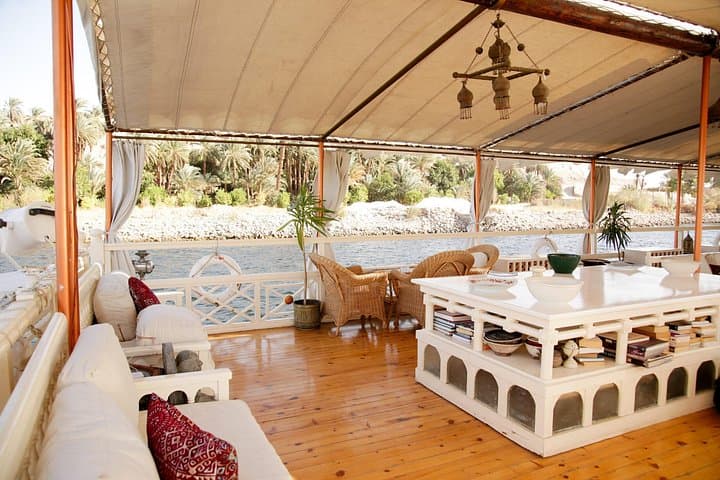
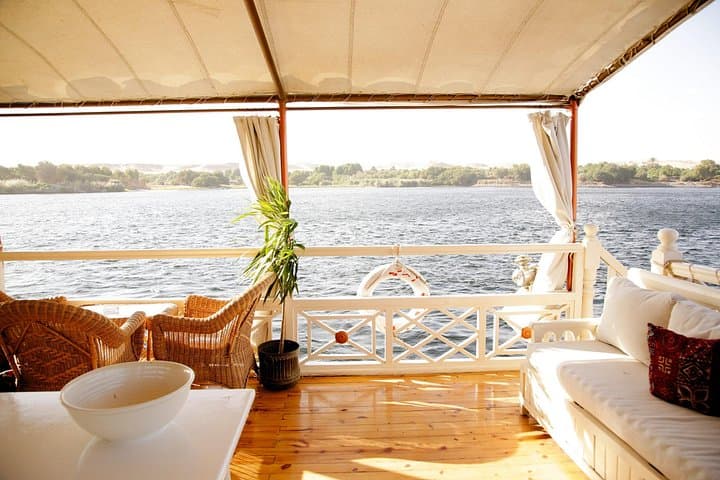
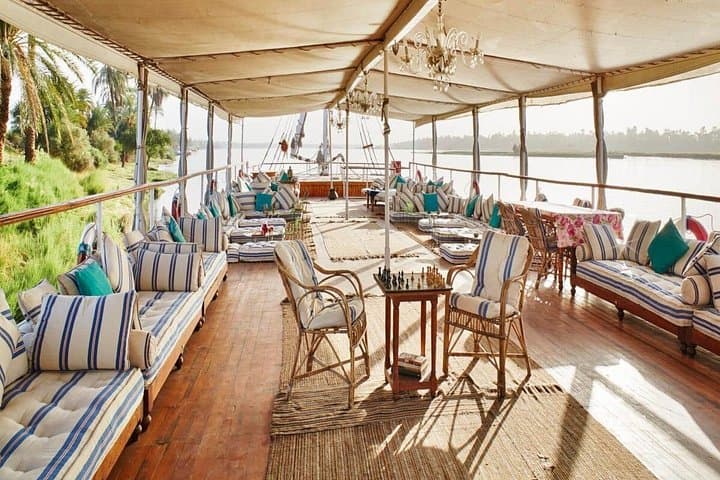
Onboard Saray el Nile you trade the bustle of big ships for an intimate, handcrafted vessel — teak decks, shaded lounges, and cabins that open to river views. Over eight days you’ll move through the heart of Upper Egypt: dawn visits to Karnak and Luxor Temples, the Esna lock, the well-preserved sanctuaries at Edfu and Kom Ombo, the island setting of Philae, and the sandstone quarries of Gebel el-Silsila where stonemasons once sourced blocks for pharaonic temples.
Geology is visible everywhere: the warm banded sandstone of Silsila, the floodplain soils that have fed agriculture for millennia, and the granite outcrops near Aswan that ancient builders favored. Cultural threads tie the route — pharaonic rituals, Coptic settlements, and living Nubian communities in the south — explained by an Egyptologist during included shore excursions.
Practicalities: the trip is full board with seven lunches and dinners served on board, all transfers included, and most temple admissions arranged. Expect easy daily pacing with short guided walks and boat time. Bring sun protection, comfortable closed-toe shoes for temple surfaces, modest clothing for religious sites, and a refillable water bottle. Early mornings and late afternoons are best for photography and smaller crowds. This Dahabiya cruise is a slow, tactile way to read the Nile’s history while traveling in low-impact comfort.
easy.
7–8 days.
Suitable for travelers in average fitness — limited walking each day, mostly short guided tours on relatively flat temple grounds
Most visitors require a visa to enter Egypt — check your national requirements and obtain either an e-visa before travel or a visa on arrival if eligible.
Many Dahabiyas offer limited Wi‑Fi in common areas; expect patchy service on the river and stronger connectivity near towns like Luxor and Aswan.
Excursions are generally low-impact: short walks and temple visits, but some sites have uneven ground and steps — wear sturdy shoes and pace yourself.
Bring Egyptian pounds for local purchases and small tips; tipping staff on Nile cruises is customary — ask the operator for suggested guidelines.
The itinerary traces millennia of Upper Egyptian history: New Kingdom temples, Ptolemaic additions, and centuries-old quarry sites where stone for pharaonic monuments was cut.
Tourism pressure and river traffic affect fragile banks and bird habitats — opt for operators that limit single-use plastics, use local guides, and follow site rules to minimize impact.
Saray El-Nile operates guided outdoor trips and adventures with an emphasis on safety, stewardship, and memorable experiences.
The Nile slips by like a slow-moving story: reed beds blur into palm groves, children wave from mud-brick banks, and the low profile of a Dahabiya cuts a quiet silhouette against the late-afternoon light.
The Nile slips by like a slow-moving story: reed beds blur into palm groves, children wave from mud-brick banks, and the low profile of a Dahabiya cuts a quiet silhouette against the late-afternoon light.
Onboard Saray el Nile you trade the bustle of big ships for an intimate, handcrafted vessel — teak decks, shaded lounges, and cabins that open to river views. Over eight days you’ll move through the heart of Upper Egypt: dawn visits to Karnak and Luxor Temples, the Esna lock, the well-preserved sanctuaries at Edfu and Kom Ombo, the island setting of Philae, and the sandstone quarries of Gebel el-Silsila where stonemasons once sourced blocks for pharaonic temples.
Geology is visible everywhere: the warm banded sandstone of Silsila, the floodplain soils that have fed agriculture for millennia, and the granite outcrops near Aswan that ancient builders favored. Cultural threads tie the route — pharaonic rituals, Coptic settlements, and living Nubian communities in the south — explained by an Egyptologist during included shore excursions.
Practicalities: the trip is full board with seven lunches and dinners served on board, all transfers included, and most temple admissions arranged. Expect easy daily pacing with short guided walks and boat time. Bring sun protection, comfortable closed-toe shoes for temple surfaces, modest clothing for religious sites, and a refillable water bottle. Early mornings and late afternoons are best for photography and smaller crowds. This Dahabiya cruise is a slow, tactile way to read the Nile’s history while traveling in low-impact comfort.