THE ADVENTURE COLLECTIVE® · Independent discovery and booking for outdoor travel

Spend an easy three hours on a luxury catamaran exploring the placid reefs of Catalina Bay and the storied Antilla shipwreck. This guided snorkel sail pairs calm swim spots, expert briefings, and an open bar for an effortless afternoon on Aruba’s waters.
Spend an easy three hours on a luxury catamaran exploring the placid reefs of Catalina Bay and the storied Antilla shipwreck. This guided snorkel sail pairs calm swim spots, expert briefings, and an open bar for an effortless afternoon on Aruba’s waters.
The catamaran slips out from Piet's Pier with the steady sigh of rigging and a Caribbean breeze that seems to push you toward something bright and beneath the surface. In minutes, Palm Beach melts into a low horizon of hotels and coconut palms, and the boat settles into the kind of steady motion that makes the idea of getting wet feel inevitable and good.
Verified experiences and guided adventures in the surrounding area.
Operated by Red Sail Sports - Aruba · Oranjestad, Noord
The catamaran slips out from Piet's Pier with the steady sigh of rigging and a Caribbean breeze that seems to push you toward something bright and beneath the surface. In minutes, Palm Beach melts into a low horizon of hotels and coconut palms, and the boat settles into the kind of steady motion that makes the idea of getting wet feel inevitable and good.
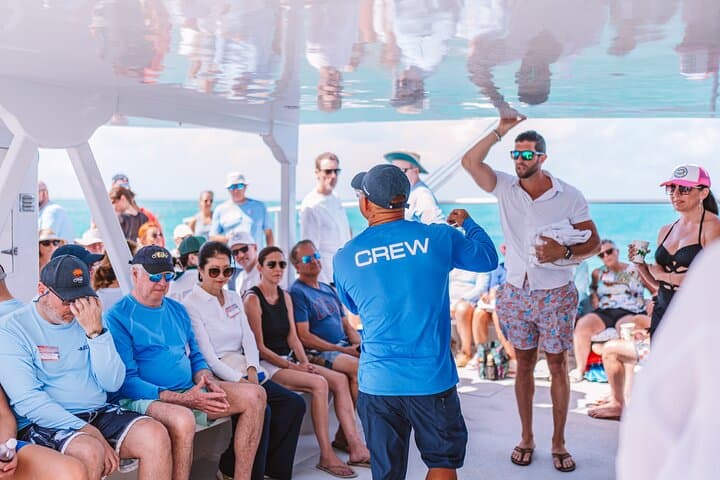
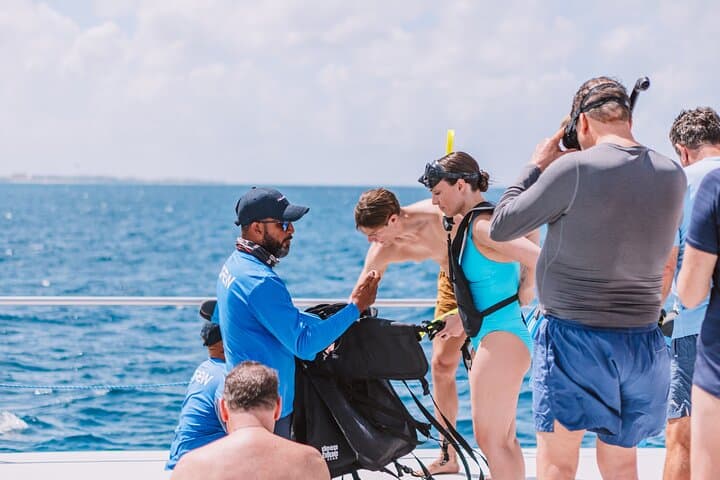
First stop: Catalina Bay. A shallow bowl of translucent water, it shows off finger coral, sea fans, and a parade of neon fish in waist-to-chest-deep water. The crew runs a concise safety briefing, hands out masks and fins, and nudges reluctant novices into calm, surprisingly warm water. Here, visibility often reaches five meters (about 15 feet), making it an ideal first dive for those who want to learn snorkeling or ease back into the sea.
Then the tour heads to the Antilla shipwreck — Aruba’s most famous wreck. The Antilla is a WWII-era freighter that ran aground and now lies half-submerged, its steel ribs encrusted with coral. The wreck starts roughly 10 feet below the surface and drops to deeper shelves; in good conditions visibility extends 9–15 meters. Schools of yellowtail snapper, angelfish, morays, and the occasional southern stingray use the wreck as both shelter and stage, darting through portholes and around the forecastle.
Beyond the fish and metal, the story here is layered: Aruba’s waters are part of a young Caribbean shelf shaped by volcanic and coral processes, with reefs that formed over millennia on a base of limestone. Locally, the sea is central to culture — from fishing to modern tourism — and the Antilla has become a marine nursery more than a relic of conflict.
Practicalities matter: the tour lasts about three hours, departs from Piet’s Pier (meet 30 minutes early), and supplies masks, fins, and instruction. It’s suitable for most fitness levels but requires basic comfort in water; children under 3 sail free and non-swimmers must wear life jackets. Expect an open bar and light appetizers onboard for the post-snorkel cruise back to Palm Beach.
Timing the trip for calm seas (morning to early afternoon) yields the best visibility. Bring reef-safe sunscreen, a towel, and a waterproof camera. If you’re sensitive to motion, take a light motion-sickness dose beforehand. Above all, follow briefing instructions: currents around the wreck can be playful, and the crew’s local knowledge keeps the experience both thrilling and safe.
On a clear day, the Antilla’s silhouette under a blue sky is a reminder that even metal becomes island when the sea takes its time — and the best way to appreciate it is with mask on and fins kicking.
easy.
3 hours.
Suitable for most fitness levels; participants should be comfortable in shallow-open water and able to swim short distances.
The tour is approximately 3 hours; check your voucher for the specific departure time and plan to arrive at Piet's Pier 30 minutes early.
Yes — masks, fins, and instruction are included; feel free to bring your own equipment if you prefer.
Absolutely — Catalina Bay is shallow and calm, and the crew provides safety briefings and basic snorkeling guidance.
The catamaran has shaded seating areas and typically basic restroom facilities; check with the operator for specific vessel amenities.
Light appetizers and an open bar are included on the cruise; gratuities are not included and may be given separately to the crew.
The operator may cancel for safety if seas are rough; full refunds are available if canceled at least 24 hours before departure under the stated policy.
The Antilla is a WWII-era German freighter that became grounded and has since been colonized by coral, turning a wartime wreck into a thriving marine habitat.
Operators encourage reef-safe sunscreen and no-touch policies; limiting contact with coral and proper anchoring keeps reefs healthy for future snorkelers.
Red Sail Sports - Aruba operates guided outdoor trips and adventures with an emphasis on safety, stewardship, and memorable experiences.
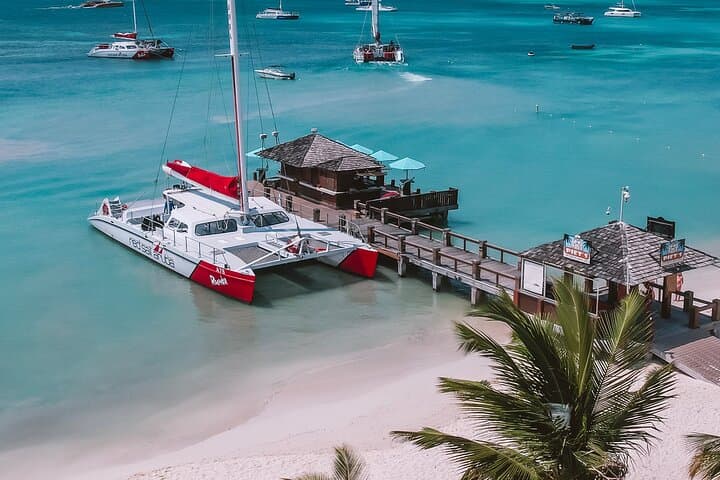
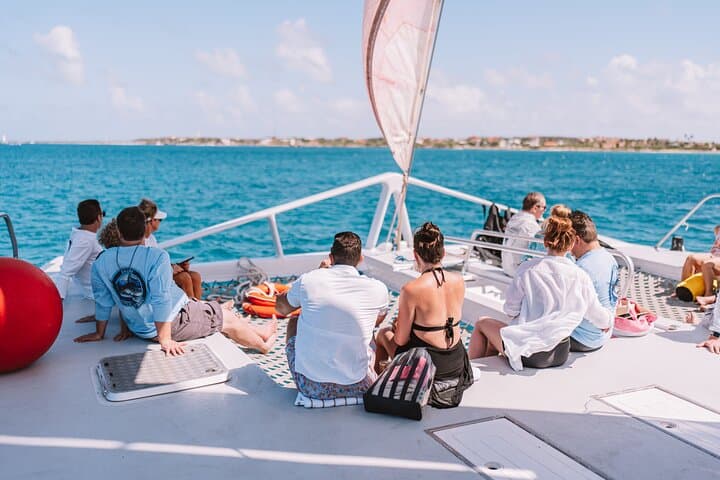
The catamaran slips out from Piet's Pier with the steady sigh of rigging and a Caribbean breeze that seems to push you toward something bright and beneath the surface. In minutes, Palm Beach melts into a low horizon of hotels and coconut palms, and the boat settles into the kind of steady motion that makes the idea of getting wet feel inevitable and good.
The catamaran slips out from Piet's Pier with the steady sigh of rigging and a Caribbean breeze that seems to push you toward something bright and beneath the surface. In minutes, Palm Beach melts into a low horizon of hotels and coconut palms, and the boat settles into the kind of steady motion that makes the idea of getting wet feel inevitable and good.
First stop: Catalina Bay. A shallow bowl of translucent water, it shows off finger coral, sea fans, and a parade of neon fish in waist-to-chest-deep water. The crew runs a concise safety briefing, hands out masks and fins, and nudges reluctant novices into calm, surprisingly warm water. Here, visibility often reaches five meters (about 15 feet), making it an ideal first dive for those who want to learn snorkeling or ease back into the sea.
Then the tour heads to the Antilla shipwreck — Aruba’s most famous wreck. The Antilla is a WWII-era freighter that ran aground and now lies half-submerged, its steel ribs encrusted with coral. The wreck starts roughly 10 feet below the surface and drops to deeper shelves; in good conditions visibility extends 9–15 meters. Schools of yellowtail snapper, angelfish, morays, and the occasional southern stingray use the wreck as both shelter and stage, darting through portholes and around the forecastle.
Beyond the fish and metal, the story here is layered: Aruba’s waters are part of a young Caribbean shelf shaped by volcanic and coral processes, with reefs that formed over millennia on a base of limestone. Locally, the sea is central to culture — from fishing to modern tourism — and the Antilla has become a marine nursery more than a relic of conflict.
Practicalities matter: the tour lasts about three hours, departs from Piet’s Pier (meet 30 minutes early), and supplies masks, fins, and instruction. It’s suitable for most fitness levels but requires basic comfort in water; children under 3 sail free and non-swimmers must wear life jackets. Expect an open bar and light appetizers onboard for the post-snorkel cruise back to Palm Beach.
Timing the trip for calm seas (morning to early afternoon) yields the best visibility. Bring reef-safe sunscreen, a towel, and a waterproof camera. If you’re sensitive to motion, take a light motion-sickness dose beforehand. Above all, follow briefing instructions: currents around the wreck can be playful, and the crew’s local knowledge keeps the experience both thrilling and safe.
On a clear day, the Antilla’s silhouette under a blue sky is a reminder that even metal becomes island when the sea takes its time — and the best way to appreciate it is with mask on and fins kicking.