THE ADVENTURE COLLECTIVE® · Independent discovery and booking for outdoor travel

Glide between Luxor and Aswan aboard a private dahabiya and visit Karnak, the Valley of the Kings, Edfu and Kom Ombo. This intimate five-day cruise pairs relaxed river travel with daily guided temple excursions and authentic Egyptian meals on board.
Glide between Luxor and Aswan aboard a private dahabiya and visit Karnak, the Valley of the Kings, Edfu and Kom Ombo. This intimate five-day cruise pairs relaxed river travel with daily guided temple excursions and authentic Egyptian meals on board.
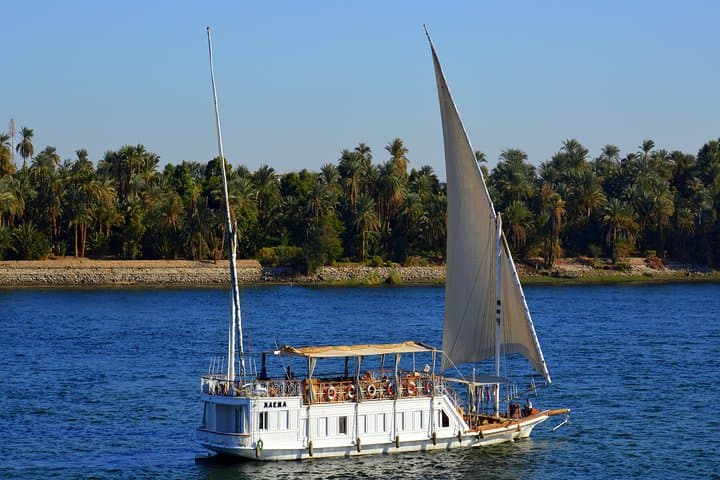
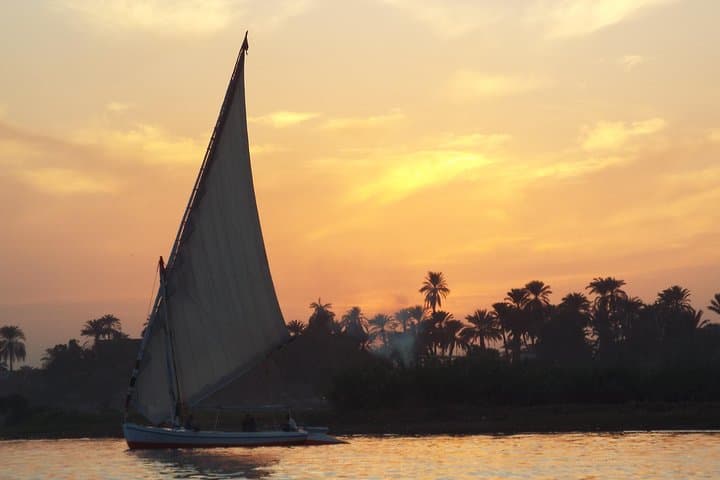
The dahabiya slips away from Esna as the first heat of the day loosens its grip, and the Nile unspools like an old map beneath the sundeck. Passengers settle into colonial-style cabins while the river’s slow current nudges villages, palm groves and mud-brick fields past in soft procession. The boat’s sails catch a breeze; the river answers, carrying the trip’s rhythm.
Verified experiences and guided adventures in the surrounding area.
Operated by Luxor Travels · Luxor, Luxor Governorate
The dahabiya slips away from Esna as the first heat of the day loosens its grip, and the Nile unspools like an old map beneath the sundeck. Passengers settle into colonial-style cabins while the river’s slow current nudges villages, palm groves and mud-brick fields past in soft procession. The boat’s sails catch a breeze; the river answers, carrying the trip’s rhythm.
This route follows the Nile’s classical corridor between Luxor and Aswan, where millennia of pharaonic building define riverine geology and human history. Travelers visit Karnak’s forest of columns, the funerary cliffs of the Valley of the Kings, Hatshepsut’s terraced temple, and smaller but well-preserved temples at Edfu and Kom Ombo. The dahabiya itself is a colonial-style sailing craft revived in Egypt for intimate, low-speed travel—an alternative to larger cruise ships and traditional feluccas.
Culture here is river-first: communities still farm on narrow strips of fertile soil, fishermen cast nets at dawn and local markets spill spices and dates onto the quay. Expect guided temple walks with stairs, shaded sundeck afternoons, and evenings of Egyptian cuisine prepared on board.
Practical guidance: pack breathable sun-protective clothing, sturdy walking shoes and a hat for temple terrain; carry Egyptian pounds for small purchases and tips. Plan temple visits for early morning or late afternoon to avoid the peak heat. Mobility is generally easy, but some sites involve steps and uneven stone. Bring a refillable water bottle and a lightweight layer for cool nights on deck. With measured pace and simple preparations, a dahabiya cruise is a low-impact, concentrated way to experience the Nile’s archaeology and living river culture.
easy.
5 days.
Suitable for all fitness levels; involves short walks, stairs and standing on uneven ancient stone surfaces.
Some temple admissions are included in private tours, but optional sites (like Tutankhamun’s tomb or Abu Simbel transfers) often require extra fees—confirm with the operator before travel.
Private pickup from Luxor hotels or ports is typically arranged; transfer times depend on hotel location and local traffic—provide full flight and arrival details when booking.
Most dahabiyas have generator power and basic electrical outlets; Wi‑Fi may be limited or spotty, so plan for offline maps and backups.
Yes—an early-morning optional trip to Abu Simbel is commonly offered at additional cost and requires an early start or a short flight/road transfer.
This river corridor hosted ancient Egyptian statecraft and temple construction for millennia; many temples here align with seasonal inundation patterns of the Nile.
Visit with minimal footprint: use refillable water containers, avoid single-use plastics and follow site rules to protect fragile stonework and river habitats.
Luxor Travels operates guided outdoor trips and adventures with an emphasis on safety, stewardship, and memorable experiences.
The dahabiya slips away from Esna as the first heat of the day loosens its grip, and the Nile unspools like an old map beneath the sundeck. Passengers settle into colonial-style cabins while the river’s slow current nudges villages, palm groves and mud-brick fields past in soft procession. The boat’s sails catch a breeze; the river answers, carrying the trip’s rhythm.
The dahabiya slips away from Esna as the first heat of the day loosens its grip, and the Nile unspools like an old map beneath the sundeck. Passengers settle into colonial-style cabins while the river’s slow current nudges villages, palm groves and mud-brick fields past in soft procession. The boat’s sails catch a breeze; the river answers, carrying the trip’s rhythm.
This route follows the Nile’s classical corridor between Luxor and Aswan, where millennia of pharaonic building define riverine geology and human history. Travelers visit Karnak’s forest of columns, the funerary cliffs of the Valley of the Kings, Hatshepsut’s terraced temple, and smaller but well-preserved temples at Edfu and Kom Ombo. The dahabiya itself is a colonial-style sailing craft revived in Egypt for intimate, low-speed travel—an alternative to larger cruise ships and traditional feluccas.
Culture here is river-first: communities still farm on narrow strips of fertile soil, fishermen cast nets at dawn and local markets spill spices and dates onto the quay. Expect guided temple walks with stairs, shaded sundeck afternoons, and evenings of Egyptian cuisine prepared on board.
Practical guidance: pack breathable sun-protective clothing, sturdy walking shoes and a hat for temple terrain; carry Egyptian pounds for small purchases and tips. Plan temple visits for early morning or late afternoon to avoid the peak heat. Mobility is generally easy, but some sites involve steps and uneven stone. Bring a refillable water bottle and a lightweight layer for cool nights on deck. With measured pace and simple preparations, a dahabiya cruise is a low-impact, concentrated way to experience the Nile’s archaeology and living river culture.