THE ADVENTURE COLLECTIVE® · Independent discovery and booking for outdoor travel

Step from Mt. Fuji’s shadow into Saiko Iyashi-no-Sato Nenba’s thatched-roof lanes, then follow the Gotomegi River to Jinba Falls. This half-day tour blends living history, simple crafts, and an easy riverside walk—perfect for a calm cultural escape.
Step from Mt. Fuji’s shadow into Saiko Iyashi-no-Sato Nenba’s thatched-roof lanes, then follow the Gotomegi River to Jinba Falls. This half-day tour blends living history, simple crafts, and an easy riverside walk—perfect for a calm cultural escape.
A short drive from the looming silhouette of Mt. Fuji drops you into a quieter Japan: a row of reconstructed thatched houses along Lake Saiko where craftsmen hammer shutters and the air smells faintly of charcoal and tea. Walkways thread between wooden shops, and behind the village the Gotomegi River sends Jinba Falls tumbling down a mossy chute, daring you to step into the basin and cool off.
Verified experiences and guided adventures in the surrounding area.
Operated by Shizuoka TaaS Travel · Fujikawaguchiko, Yamanashi
A short drive from the looming silhouette of Mt. Fuji drops you into a quieter Japan: a row of reconstructed thatched houses along Lake Saiko where craftsmen hammer shutters and the air smells faintly of charcoal and tea. Walkways thread between wooden shops, and behind the village the Gotomegi River sends Jinba Falls tumbling down a mossy chute, daring you to step into the basin and cool off.
The village at Saiko Iyashi-no-Sato Nenba recreates Edo-period farm life using authentic architecture salvaged and rebuilt after storms in the 1990s; the thatched roofs themselves are an entry point to the region’s rural history. Geologically, this flank of Fuji is shaped by lava flows and volcanic ash that created shallow lakes and sharp forest borders; trails here often flank old lava edges and mix gravel, packed soil, and stone steps.
Culturally, expect hands-on craft demonstrations, kimono rentals, and small food stalls selling mitarashi dango and seasonal produce. Jinba Falls carries a local legend tied to Minamoto no Yoritomo, and the late-August festival fills the stream with music and food stalls.
Practical notes: the tour is low-impact walking—plan for roughly 1–2 km of easy paths at around 900–950 m elevation, with short uneven sections at the falls. Wear sturdy shoes with grip, bring water and layered protection against sudden mountain weather, and carry small change for vendors. Visit early morning or late afternoon to avoid coach crowds, and allow time for crafts and light snacks. This day trip pairs cultural immersion with a straightforward nature walk—ideal for travelers seeking calm, context, and clear views of Fuji on a good day.
easy.
5–6 hours.
Suitable for most fitness levels; involves short, gentle walks and standing during demonstrations
The village is a 20–30 minute drive west of central Fujikawaguchiko; regional buses and private transfers run regularly, and many tours include door-to-door transport.
Yes—paths in the reconstructed village are stroller-friendly, though the falls area has stairs and uneven ground that may be challenging for small children.
The village typically charges a modest admission for entry to museum buildings and certain demonstrations; reservations are recommended for group visits and private tours.
Yes—kimono rentals and hands-on craft sessions are offered seasonally; check availability in advance, especially during holiday periods.
The rebuilt Nenba village preserves thatched minka houses and rural crafts representing mountain farming communities destroyed by storms; Jinba Falls is tied to tales of Minamoto no Yoritomo’s hunting expeditions.
The area balances tourism and preservation by limiting new construction, promoting traditional thatch repairs, and encouraging visitors to follow leave-no-trace principles around the fragile river banks.
Shizuoka TaaS Travel operates guided outdoor trips and adventures with an emphasis on safety, stewardship, and memorable experiences.
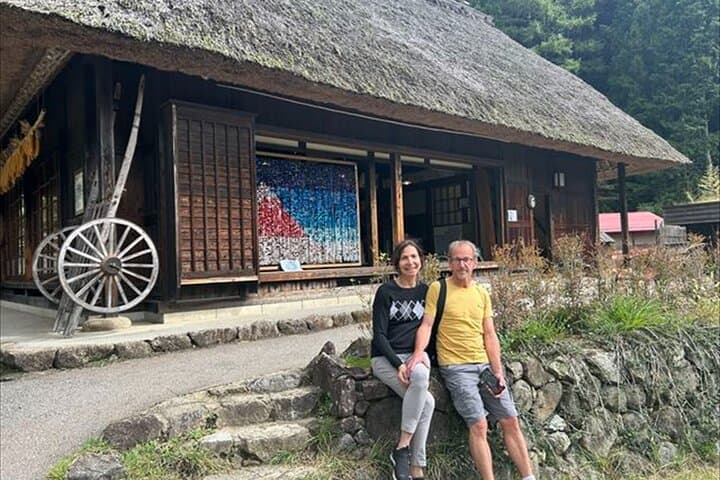
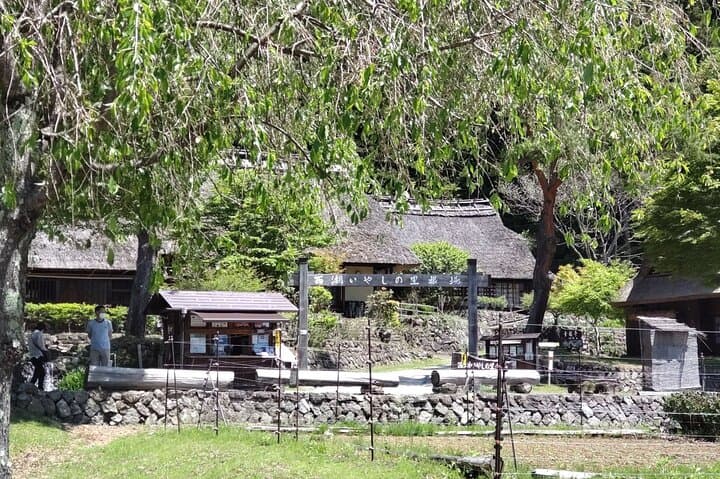
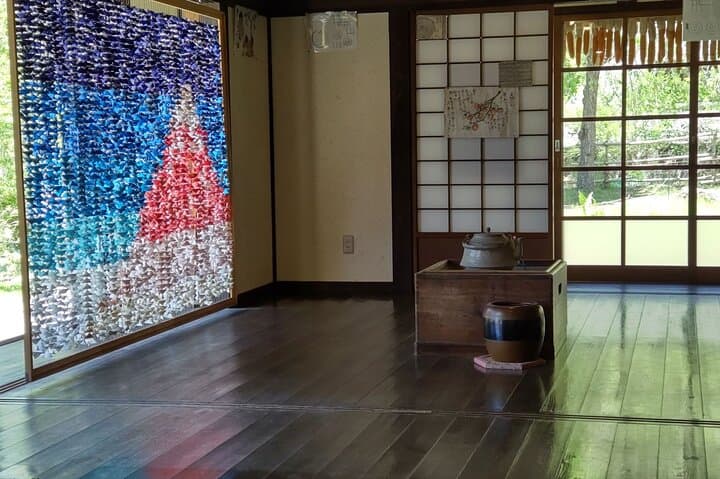
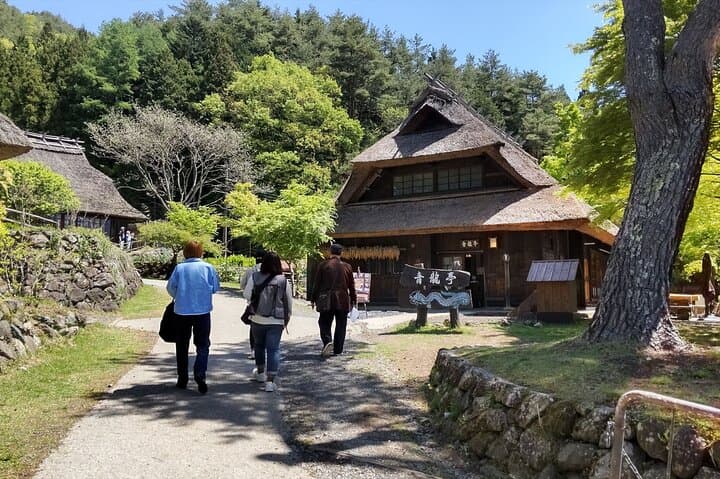
A short drive from the looming silhouette of Mt. Fuji drops you into a quieter Japan: a row of reconstructed thatched houses along Lake Saiko where craftsmen hammer shutters and the air smells faintly of charcoal and tea. Walkways thread between wooden shops, and behind the village the Gotomegi River sends Jinba Falls tumbling down a mossy chute, daring you to step into the basin and cool off.
A short drive from the looming silhouette of Mt. Fuji drops you into a quieter Japan: a row of reconstructed thatched houses along Lake Saiko where craftsmen hammer shutters and the air smells faintly of charcoal and tea. Walkways thread between wooden shops, and behind the village the Gotomegi River sends Jinba Falls tumbling down a mossy chute, daring you to step into the basin and cool off.
The village at Saiko Iyashi-no-Sato Nenba recreates Edo-period farm life using authentic architecture salvaged and rebuilt after storms in the 1990s; the thatched roofs themselves are an entry point to the region’s rural history. Geologically, this flank of Fuji is shaped by lava flows and volcanic ash that created shallow lakes and sharp forest borders; trails here often flank old lava edges and mix gravel, packed soil, and stone steps.
Culturally, expect hands-on craft demonstrations, kimono rentals, and small food stalls selling mitarashi dango and seasonal produce. Jinba Falls carries a local legend tied to Minamoto no Yoritomo, and the late-August festival fills the stream with music and food stalls.
Practical notes: the tour is low-impact walking—plan for roughly 1–2 km of easy paths at around 900–950 m elevation, with short uneven sections at the falls. Wear sturdy shoes with grip, bring water and layered protection against sudden mountain weather, and carry small change for vendors. Visit early morning or late afternoon to avoid coach crowds, and allow time for crafts and light snacks. This day trip pairs cultural immersion with a straightforward nature walk—ideal for travelers seeking calm, context, and clear views of Fuji on a good day.