THE ADVENTURE COLLECTIVE® · Independent discovery and booking for outdoor travel

Move from Saigon’s colonial streets to the narrow dark of the Cu Chi Tunnels on this full-day private tour. Expect hands-on history, rural landscapes, local cuisine and practical guidance for exploring tight underground passages.
Move from Saigon’s colonial streets to the narrow dark of the Cu Chi Tunnels on this full-day private tour. Expect hands-on history, rural landscapes, local cuisine and practical guidance for exploring tight underground passages.
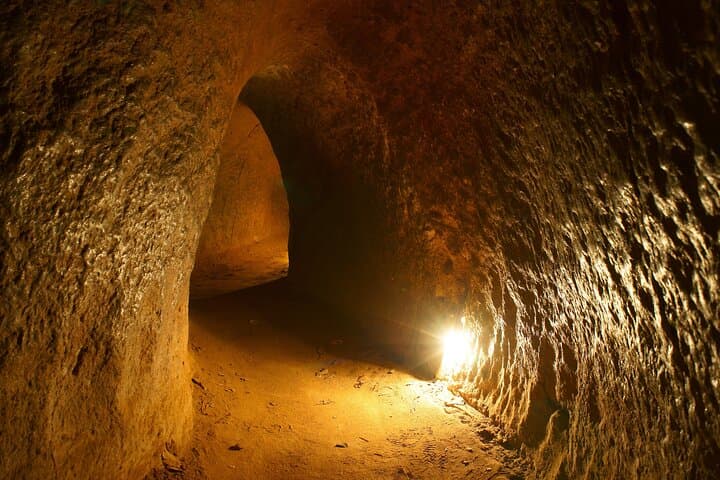
You step into a humid Saigon morning as motorbikes thread past colonial facades and the scent of street coffee hangs in the air. The city’s pace gives way to narrower roads, rubber plantations and rice paddies, and then the ground seems to close around you — the entrance to the Cu Chi Tunnels appears like a slit in the earth, dark and sudden.
Verified experiences and guided adventures in the surrounding area.
Operated by Vietnam Tours VIP · Ho Chi Minh City, Ho Chi Minh
You step into a humid Saigon morning as motorbikes thread past colonial facades and the scent of street coffee hangs in the air. The city’s pace gives way to narrower roads, rubber plantations and rice paddies, and then the ground seems to close around you — the entrance to the Cu Chi Tunnels appears like a slit in the earth, dark and sudden.
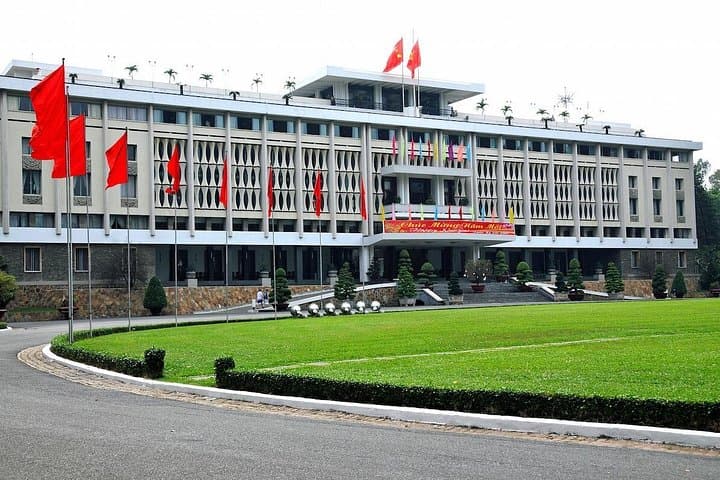
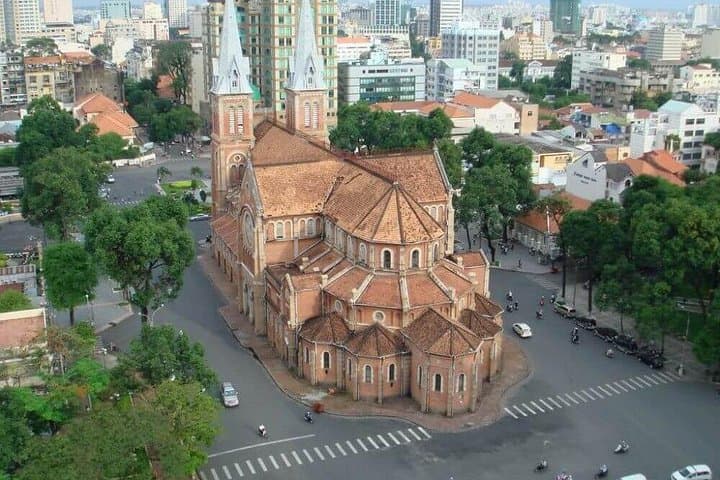
The tour stitches together two halves of Vietnam’s story: French colonial Saigon — visible in the vaulted Saigon Central Post Office and the 1960s lines of Reunification Palace — and the subterranean ingenuity of the Viet Cong at Cu Chi. Geologically the tunnels take advantage of compacted alluvial clays and sandy layers common to the Mekong edge; they were carved to conceal, ventilate and survive bombardment. Cultural fragments arrive along the way: handicraft workshops run by local artisans, riverside restaurants serving fish in banana leaves, and a military museum whose exhibits provoke reflection rather than spectacle.
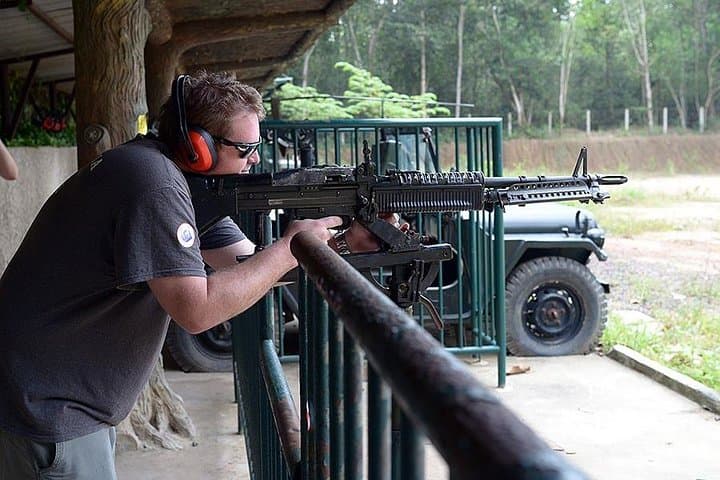
Expect hands-on moments: a guided jungle walk, crawling through widened demonstration tunnels, tasting cassava, and optional supervised marksmanship for adults. The guide connects architecture, wartime strategy and daily life, making logistics clear — hotel pickup, bottled water, entrance fees and lunch are usually included.
Practical tips: wear closed-toe shoes and breathable layers, carry insect repellent and sun protection, and be prepared for tight, low-ceiling sections if you plan to enter the tunnels. Allow a full day for travel time; the experience rewards patience with vivid context and a tangible sense of place.
moderate.
9 hours.
Basic to moderate fitness — you should be able to walk short uneven sections, descend ladders and bend for short periods.
This private full-day tour runs about nine hours and typically includes hotel pickup/drop-off, entrance fees, an English-speaking guide, bottled water and a traditional lunch.
Yes, there are widened, visitor-friendly sections you can enter; they require crouching and crawling. If you have claustrophobia or mobility issues, you can stay above ground for exhibits and demonstrations.
Some sites offer supervised shooting of historical firearms; this is optional and restricted to guests over 18 who follow all safety instructions and facility rules.
The tour is family-friendly, but parents should assess tunnel access and graphic exhibits at the War Remnants Museum; children may be uncomfortable with some displays.
Cu Chi’s tunnel network expanded during the mid-20th century as part of a grassroots resistance strategy; Saigon’s colonial buildings date from the French era in the late 19th and early 20th centuries.
Respect signs and stay on paths—fragile wartime sites and surrounding rural land are subject to erosion and human impact; support local businesses and avoid single-use plastics where possible.
Vietnam Tours VIP operates guided outdoor trips and adventures with an emphasis on safety, stewardship, and memorable experiences.
You step into a humid Saigon morning as motorbikes thread past colonial facades and the scent of street coffee hangs in the air. The city’s pace gives way to narrower roads, rubber plantations and rice paddies, and then the ground seems to close around you — the entrance to the Cu Chi Tunnels appears like a slit in the earth, dark and sudden.
You step into a humid Saigon morning as motorbikes thread past colonial facades and the scent of street coffee hangs in the air. The city’s pace gives way to narrower roads, rubber plantations and rice paddies, and then the ground seems to close around you — the entrance to the Cu Chi Tunnels appears like a slit in the earth, dark and sudden.
The tour stitches together two halves of Vietnam’s story: French colonial Saigon — visible in the vaulted Saigon Central Post Office and the 1960s lines of Reunification Palace — and the subterranean ingenuity of the Viet Cong at Cu Chi. Geologically the tunnels take advantage of compacted alluvial clays and sandy layers common to the Mekong edge; they were carved to conceal, ventilate and survive bombardment. Cultural fragments arrive along the way: handicraft workshops run by local artisans, riverside restaurants serving fish in banana leaves, and a military museum whose exhibits provoke reflection rather than spectacle.
Expect hands-on moments: a guided jungle walk, crawling through widened demonstration tunnels, tasting cassava, and optional supervised marksmanship for adults. The guide connects architecture, wartime strategy and daily life, making logistics clear — hotel pickup, bottled water, entrance fees and lunch are usually included.
Practical tips: wear closed-toe shoes and breathable layers, carry insect repellent and sun protection, and be prepared for tight, low-ceiling sections if you plan to enter the tunnels. Allow a full day for travel time; the experience rewards patience with vivid context and a tangible sense of place.