THE ADVENTURE COLLECTIVE® · Independent discovery and booking for outdoor travel

Ride the back seat of a scooter through Saigon’s busiest alleys, tasting banh mi, sugarcane juice and Vietnamese coffee while a local rider threads the city. This 2–3 hour evening tour mixes market visits, old apartments and hands-on food stops for an authentic street-food experience.
Ride the back seat of a scooter through Saigon’s busiest alleys, tasting banh mi, sugarcane juice and Vietnamese coffee while a local rider threads the city. This 2–3 hour evening tour mixes market visits, old apartments and hands-on food stops for an authentic street-food experience.
You slide into the padded rear seat as the city exhales – a warmth of engine noise and frying oil, neon signs blinking awake, vendors calling across narrow alleys.
Verified experiences and guided adventures in the surrounding area.
Operated by Vietnamese Street Food Tour · Ho Chi Minh City, Ho Chi Minh
You slide into the padded rear seat as the city exhales – a warmth of engine noise and frying oil, neon signs blinking awake, vendors calling across narrow alleys.
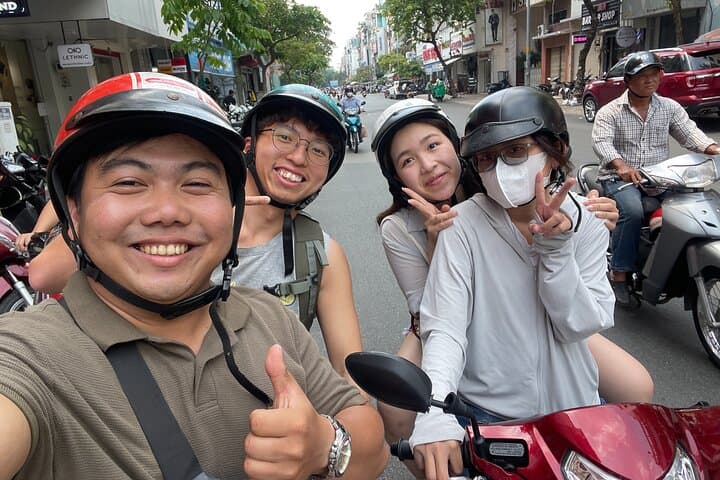
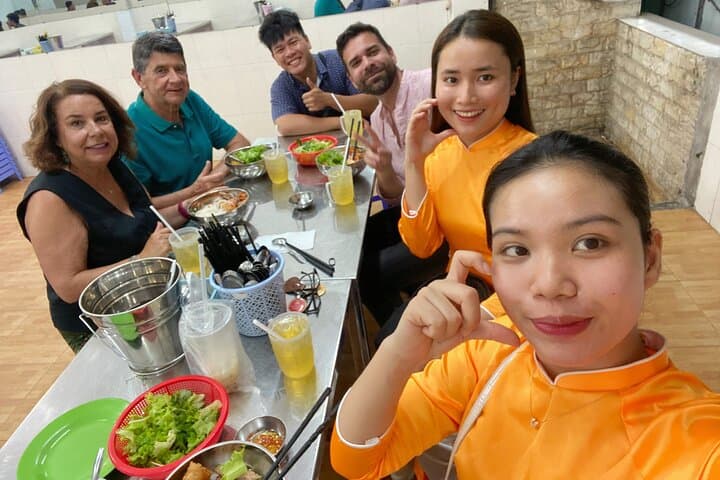
On a 2–3 hour scooter tour through Ho Chi Minh City’s Districts 1, 3 and 4 you’ll ride with a local driver or an aodai-clad rider, threading through market lanes, past French-era apartment blocks and riverfront edges. The Saigon River and low-lying Mekong alluvial plain shaped the city’s flat streets and its food economy; sugarcane juice and river fish are legible in every bite.
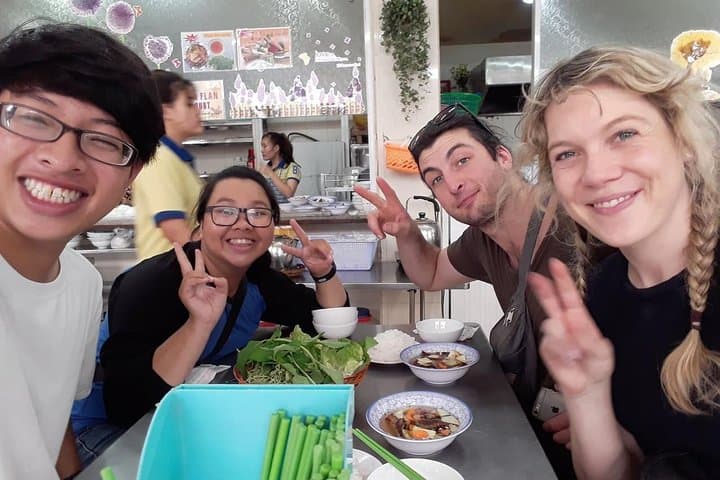
Stop at steaming carts to sample banh mi, banh xeo and com tam (broken rice), sip thick Vietnamese coffee and watch cooks fold rice paper with practiced hands. Markets pulse with color — wet markets and the flower market are living archives of daily life — while older apartment blocks keep quiet histories of colonial-era Saigon and postwar reinvention.
Practical guidance: tours are 120–180 minutes, often in the cooler evening or after 5pm to avoid midday heat. Helmets are provided; keep small bags secure and agree on pickup points (District 1, 3, 4). Carry cash for small vendors and inform guides of allergies. Dress for short bursts of walking between food stalls — closed-toe shoes and light layers work best.
Expect sudden stops, narrow alleys and a constant motion; the experience is equal parts culinary education and urban navigation, best for travelers comfortable with city traffic and eager to eat where locals go.
easy.
2–3 hours.
Light activity: able to sit on a scooter, climb short stairways between stops and stand for food tastings.
Professional drivers handle navigation and helmets are provided; riders should be comfortable as a passenger in dense urban traffic.
Yes—inform the operator ahead of time and guides will adjust stops or help identify dishes without allergens.
Guides typically speak English; if you need another language request it at booking but it may not be guaranteed.
Tours may continue in light rain with rain protection; cancel at least 24 hours before departure for a refund as per the booking policy.
Saigon’s streets reflect French colonial planning and decades of rapid commerce; food culture draws from Mekong Delta produce and Chinese-Vietnamese trading traditions.
Support small vendors, avoid single-use plastics where possible, and dispose of litter responsibly—market areas can be sensitive to waste buildup.
Vietnamese Street Food Tour operates guided outdoor trips and adventures with an emphasis on safety, stewardship, and memorable experiences.

You slide into the padded rear seat as the city exhales – a warmth of engine noise and frying oil, neon signs blinking awake, vendors calling across narrow alleys.
You slide into the padded rear seat as the city exhales – a warmth of engine noise and frying oil, neon signs blinking awake, vendors calling across narrow alleys.
On a 2–3 hour scooter tour through Ho Chi Minh City’s Districts 1, 3 and 4 you’ll ride with a local driver or an aodai-clad rider, threading through market lanes, past French-era apartment blocks and riverfront edges. The Saigon River and low-lying Mekong alluvial plain shaped the city’s flat streets and its food economy; sugarcane juice and river fish are legible in every bite.
Stop at steaming carts to sample banh mi, banh xeo and com tam (broken rice), sip thick Vietnamese coffee and watch cooks fold rice paper with practiced hands. Markets pulse with color — wet markets and the flower market are living archives of daily life — while older apartment blocks keep quiet histories of colonial-era Saigon and postwar reinvention.
Practical guidance: tours are 120–180 minutes, often in the cooler evening or after 5pm to avoid midday heat. Helmets are provided; keep small bags secure and agree on pickup points (District 1, 3, 4). Carry cash for small vendors and inform guides of allergies. Dress for short bursts of walking between food stalls — closed-toe shoes and light layers work best.
Expect sudden stops, narrow alleys and a constant motion; the experience is equal parts culinary education and urban navigation, best for travelers comfortable with city traffic and eager to eat where locals go.