THE ADVENTURE COLLECTIVE® · Independent discovery and booking for outdoor travel

Trade the city crush for a half-day escape along the Saigon River. This waterbus-to-motorbike route visits Thanh Da Islet, Binh Quoi’s countryside lanes, local markets and riverside cafés — with optional SUP or fishing.
Trade the city crush for a half-day escape along the Saigon River. This waterbus-to-motorbike route visits Thanh Da Islet, Binh Quoi’s countryside lanes, local markets and riverside cafés — with optional SUP or fishing.
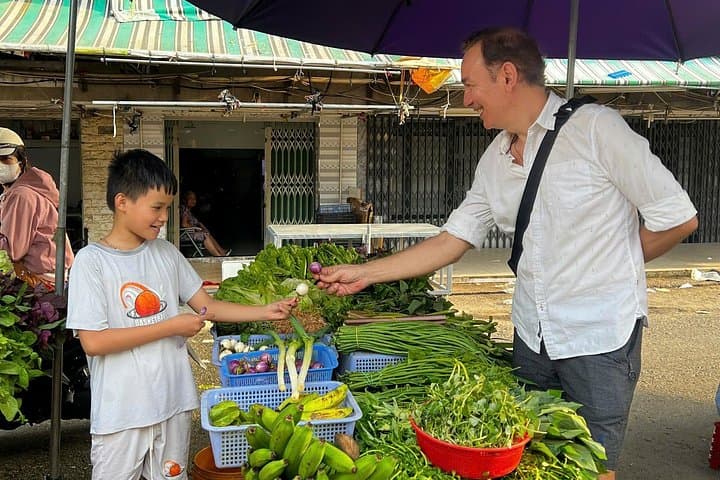
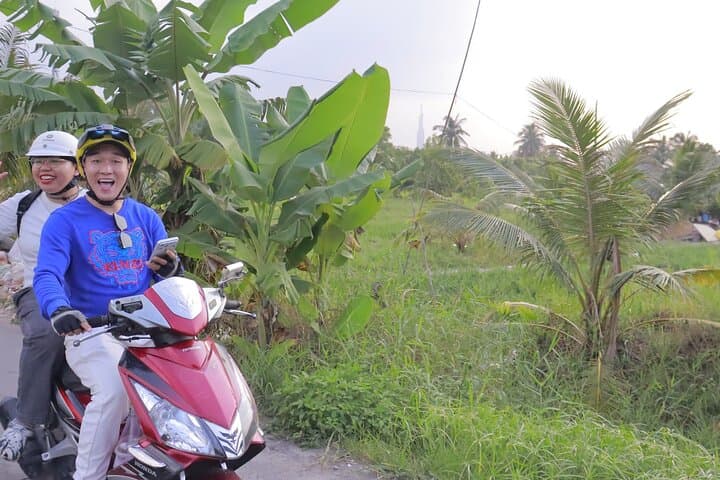
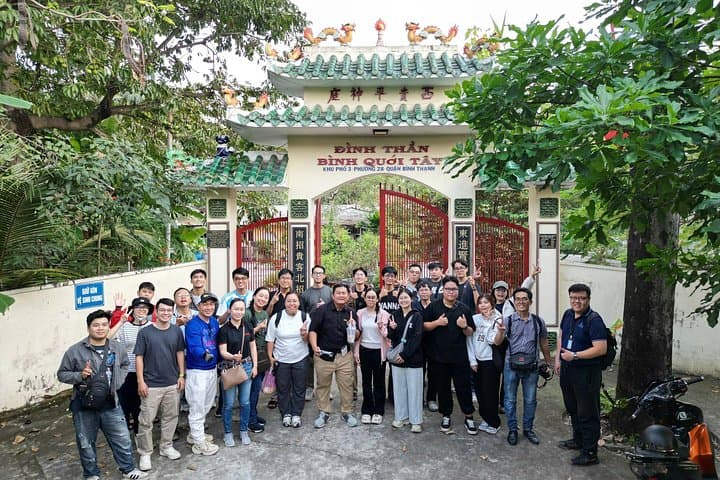
You step off the Bach Dang waterbus as the city’s hum slips behind you and the Saigon River widens into a calmer green corridor. The short cruise to Thanh Da Islet peels away the high-rise skyline and reveals low-slung houses, floating market stalls and riverside gardens where boats tie up like faithful dogs. From the riverbank the group mounts motorbikes and threads into Binh Quoi’s pocket of rural calm — narrow lanes, banana palms, and a small temple tucked beneath towering bamboo.
Verified experiences and guided adventures in the surrounding area.
Operated by mtpwander · Ho Chi Minh City, Ho Chi Minh
You step off the Bach Dang waterbus as the city’s hum slips behind you and the Saigon River widens into a calmer green corridor. The short cruise to Thanh Da Islet peels away the high-rise skyline and reveals low-slung houses, floating market stalls and riverside gardens where boats tie up like faithful dogs. From the riverbank the group mounts motorbikes and threads into Binh Quoi’s pocket of rural calm — narrow lanes, banana palms, and a small temple tucked beneath towering bamboo.
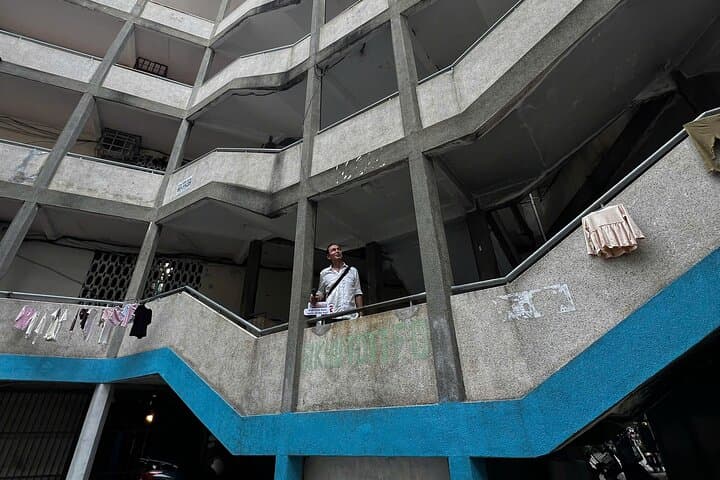
The river has long been Ho Chi Minh City’s lifeline: historically a trade artery that shaped settlement patterns and local markets. The low, alluvial plain here is young geologically, built by Mekong tributaries and silt deposits, which is why farming and vegetable gardens persist inside the urban sprawl. Cultural notes appear in street food stalls and apartment blocks on Thanh Da — mid-century concrete flats that tell a quieter part of Saigon’s story.
Expect a half-day outing (about 6–7 hours total) combining a 20–45 minute waterbus stretch, market walking, motorbike transfers through flat rural lanes, and optional short activities like fishing or stand-up paddleboarding. Practicalities: bring sun protection, cash for markets, and water; wear closed-toe shoes for uneven riverbanks and a light windbreaker for breezy river crossings. The tour is paced for moderate fitness and offers a tidy mix of city escape and low-impact outdoor activity — an approachable way to experience Saigon’s living river and its slow, local rhythms.
moderate.
6–7 hours.
Moderate — able to walk short distances, climb on/off boats and sit on a motorbike for stretches.
The waterbus segment is typically a 20–45 minute cruise depending on boarding point and river traffic.
Yes — tours provide experienced drivers and helmets; passengers should be comfortable riding pillion for short stretches.
Dinner (including duck congee) and riverside drinks are listed as included, but bring extra cash for market snacks or personal purchases.
Yes, optional activities are available for beginners, but you should inform the operator ahead of time and expect basic instruction.
The Saigon River was the principal trade and transport route shaping the city’s growth; Thanh Da and Binh Quoi developed as agricultural and riverside communities feeding the urban market.
Riverbank gardens and small-scale farming exist alongside urban development; visitors are encouraged to avoid littering and support local vendors for sustainable economic benefits.
mtpwander operates guided outdoor trips and adventures with an emphasis on safety, stewardship, and memorable experiences.
You step off the Bach Dang waterbus as the city’s hum slips behind you and the Saigon River widens into a calmer green corridor. The short cruise to Thanh Da Islet peels away the high-rise skyline and reveals low-slung houses, floating market stalls and riverside gardens where boats tie up like faithful dogs. From the riverbank the group mounts motorbikes and threads into Binh Quoi’s pocket of rural calm — narrow lanes, banana palms, and a small temple tucked beneath towering bamboo.
You step off the Bach Dang waterbus as the city’s hum slips behind you and the Saigon River widens into a calmer green corridor. The short cruise to Thanh Da Islet peels away the high-rise skyline and reveals low-slung houses, floating market stalls and riverside gardens where boats tie up like faithful dogs. From the riverbank the group mounts motorbikes and threads into Binh Quoi’s pocket of rural calm — narrow lanes, banana palms, and a small temple tucked beneath towering bamboo.
The river has long been Ho Chi Minh City’s lifeline: historically a trade artery that shaped settlement patterns and local markets. The low, alluvial plain here is young geologically, built by Mekong tributaries and silt deposits, which is why farming and vegetable gardens persist inside the urban sprawl. Cultural notes appear in street food stalls and apartment blocks on Thanh Da — mid-century concrete flats that tell a quieter part of Saigon’s story.
Expect a half-day outing (about 6–7 hours total) combining a 20–45 minute waterbus stretch, market walking, motorbike transfers through flat rural lanes, and optional short activities like fishing or stand-up paddleboarding. Practicalities: bring sun protection, cash for markets, and water; wear closed-toe shoes for uneven riverbanks and a light windbreaker for breezy river crossings. The tour is paced for moderate fitness and offers a tidy mix of city escape and low-impact outdoor activity — an approachable way to experience Saigon’s living river and its slow, local rhythms.