THE ADVENTURE COLLECTIVE® · Independent discovery and booking for outdoor travel

Skip the tourist stalls and take to the back of a motorbike for a four-hour run through Saigon’s living markets. Expect floating-market glimpses, Cholon’s wholesale bustle, 24-hour flower lanes and an old coffee shop stop — all with local context and practical tips.
Skip the tourist stalls and take to the back of a motorbike for a four-hour run through Saigon’s living markets. Expect floating-market glimpses, Cholon’s wholesale bustle, 24-hour flower lanes and an old coffee shop stop — all with local context and practical tips.
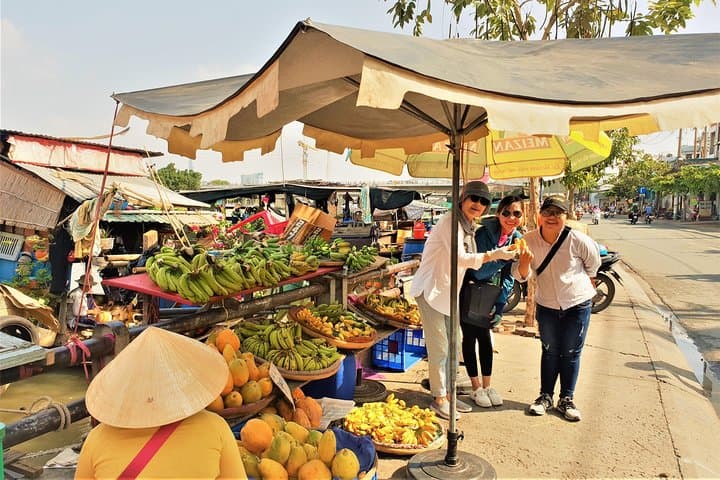
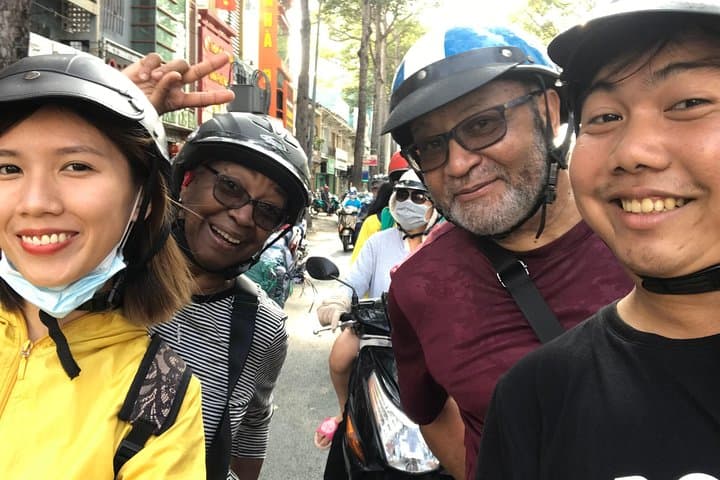
You feel the city before you see it: a short gust of coconut and fish sauce, the sudden chorus of horns, and the engine’s steady thrum beneath you as the rider threads through lanes of stacked crates and vendors calling prices. On the back of a motorbike, Saigon’s markets unfold fast — a ribbon of color, clattering carts and the occasional boat glinting where canals meet the river.
Verified experiences and guided adventures in the surrounding area.
Operated by CONNECT CULTURE CO.,LTD · Ho Chi Minh City, Ho Chi Minh
You feel the city before you see it: a short gust of coconut and fish sauce, the sudden chorus of horns, and the engine’s steady thrum beneath you as the rider threads through lanes of stacked crates and vendors calling prices. On the back of a motorbike, Saigon’s markets unfold fast — a ribbon of color, clattering carts and the occasional boat glinting where canals meet the river.
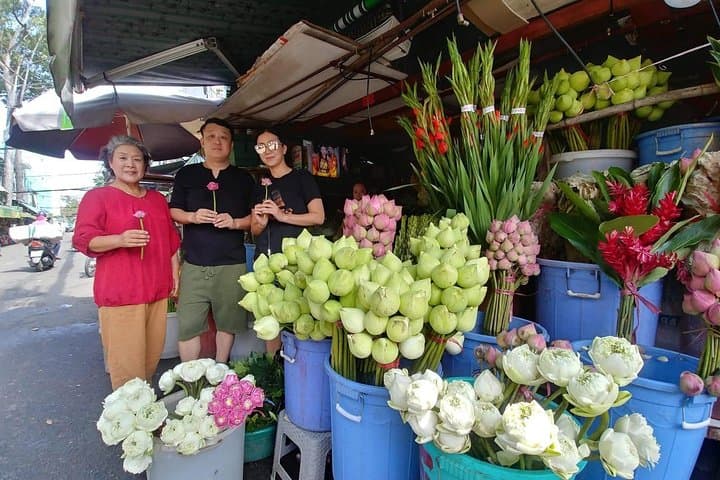
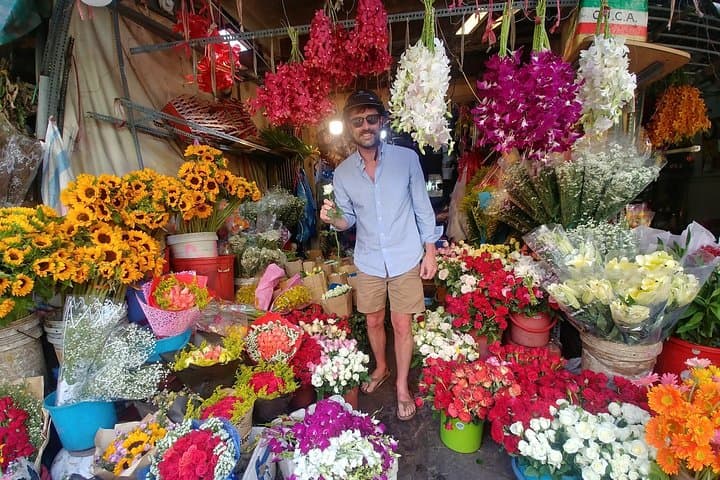
This four-hour circuit moves beyond Ben Thanh’s souvenir stalls into neighborhoods that shaped Saigon: Chợ Lớn (Chinatown) with its Chinese wholesale traditions, the 24-hour flower alleys that supply the city’s altars, a floating-market glimpse that echoes the Mekong’s trade routes, and compact war–memorabilia rows that recall Vietnam’s more recent past. Markets here grew from colonial trade patterns and waves of immigrant entrepreneurship; what you buy—spare motorbike parts, dried shrimp, steaming bánh mì—maps those stories.
Expect close-up cultural contact: haggling, sampling tropical fruit, and a stop at an old Saigon coffee shop for robust cà phê and traditional music. The guide steers logistics and local etiquette; you provide curiosity and caution.
Practical notes: leave valuables at the hotel, carry small bills, and wear long pants and closed shoes. Mornings are cooler and less congested; midday means heat and more crowds. Hydrate and use a compact camera with wrist strap—markets are dense and sudden movement is constant. The route is ideal for travelers comfortable as motorbike passengers who want a brisk, sensory introduction to everyday Ho Chi Minh City life.
easy.
4 hours.
Suitable for most fitness levels; requires ability to sit on a motorbike for the tour duration and board/disembark safely.
No riding experience is needed; you ride as a passenger. Choose an operator with experienced drivers and confirm a helmet is available.
Yes — most guides can tailor snack stops if informed ahead of time; indicate allergies at booking.
Many private operators offer English-speaking guides; confirm language ability when booking if you need another language.
Markets are busiest and often operate late, but most operators run daytime or early-evening tours; avoid very late-night rides and follow your guide’s safety advice.
Chợ Lớn developed as Saigon’s Chinese commercial quarter; many markets reflect colonial-era trade routes and migrant merchant networks that shaped the city's commerce.
Markets generate plastic and food waste; reduce single-use plastics by bringing a reusable bag and buy from vendors using minimal packaging when possible.
CONNECT CULTURE CO.,LTD operates guided outdoor trips and adventures with an emphasis on safety, stewardship, and memorable experiences.
You feel the city before you see it: a short gust of coconut and fish sauce, the sudden chorus of horns, and the engine’s steady thrum beneath you as the rider threads through lanes of stacked crates and vendors calling prices. On the back of a motorbike, Saigon’s markets unfold fast — a ribbon of color, clattering carts and the occasional boat glinting where canals meet the river.
You feel the city before you see it: a short gust of coconut and fish sauce, the sudden chorus of horns, and the engine’s steady thrum beneath you as the rider threads through lanes of stacked crates and vendors calling prices. On the back of a motorbike, Saigon’s markets unfold fast — a ribbon of color, clattering carts and the occasional boat glinting where canals meet the river.
This four-hour circuit moves beyond Ben Thanh’s souvenir stalls into neighborhoods that shaped Saigon: Chợ Lớn (Chinatown) with its Chinese wholesale traditions, the 24-hour flower alleys that supply the city’s altars, a floating-market glimpse that echoes the Mekong’s trade routes, and compact war–memorabilia rows that recall Vietnam’s more recent past. Markets here grew from colonial trade patterns and waves of immigrant entrepreneurship; what you buy—spare motorbike parts, dried shrimp, steaming bánh mì—maps those stories.
Expect close-up cultural contact: haggling, sampling tropical fruit, and a stop at an old Saigon coffee shop for robust cà phê and traditional music. The guide steers logistics and local etiquette; you provide curiosity and caution.
Practical notes: leave valuables at the hotel, carry small bills, and wear long pants and closed shoes. Mornings are cooler and less congested; midday means heat and more crowds. Hydrate and use a compact camera with wrist strap—markets are dense and sudden movement is constant. The route is ideal for travelers comfortable as motorbike passengers who want a brisk, sensory introduction to everyday Ho Chi Minh City life.