THE ADVENTURE COLLECTIVE® · Independent discovery and booking for outdoor travel

Hop on a local motorbike and feel Saigon at street level—three hours of colonial architecture, market stops, and neighborhood flavors guided by a Vietnamese rider. Practical tips and what to expect to help you plan the ride.
Hop on a local motorbike and feel Saigon at street level—three hours of colonial architecture, market stops, and neighborhood flavors guided by a Vietnamese rider. Practical tips and what to expect to help you plan the ride.
The engines hum like a living current as the group slips into the grid of Saigon. Neon signs flicker against low colonial facades, scooters weave through a river of traffic, and the city’s sharp smells—coffee, frying oil, jasmine—press in close. Riding pillion on a local motorbike, travelers move at street-level pace: intimate, immediate, and alert.
Verified experiences and guided adventures in the surrounding area.
Operated by Asiana Link Travel · Ho Chi Minh City, Ho Chi Minh
The engines hum like a living current as the group slips into the grid of Saigon. Neon signs flicker against low colonial facades, scooters weave through a river of traffic, and the city’s sharp smells—coffee, frying oil, jasmine—press in close. Riding pillion on a local motorbike, travelers move at street-level pace: intimate, immediate, and alert.
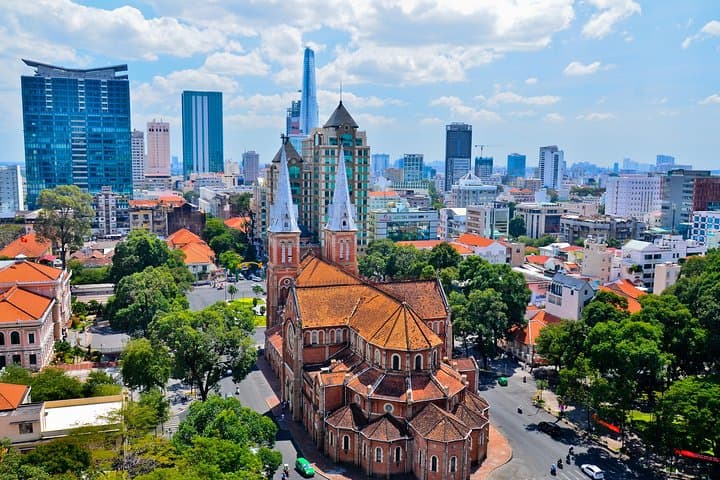
This three-hour loop threads through French colonial boulevards, the glinting glass of new towers, and neighborhood alleys where family-run stalls flip bánh mì and vendors arrange fresh flowers. Saigon’s modern skyline sits on top of layered history: an 18th–19th century trading hub, a stage for 20th-century conflicts, and today a fast-growing economic engine. The city’s geology is flat, part of the Mekong Delta plain, which keeps routes low and accessible but prone to afternoon cloudbursts during monsoon months.
Alongside landmarks—Notre-Dame Cathedral’s red bricks, the old Presidential Palace façade, and a bustling wholesale flower market—guides narrate local customs and point out architectural details that reveal the city’s mixed heritage. Expect short stops for snacks and a local drink; pick-up is typically offered across central districts.
Practicalities matter: wear closed shoes, a light jacket for sudden rain, and secure loose items on the bike. Tours accommodate a range of fitness levels because riding is passive, but staying aware of traffic is essential. Morning and early evening departures avoid the worst heat. Bring small cash for street food and tipping, keep valuables close, and confirm pick-up details in advance. In three hours the city opens up: loud, honest, and impossibly alive.
easy.
2–3 hours.
Suitable for most fitness levels—participants are passengers and need only be able to mount and sit on a scooter for the duration.
No—participants ride as passengers with a local driver; no riding skills are necessary.
Yes, helmets are provided for passengers; confirm fit and ask the guide if you need assistance fastening them.
Typical inclusions are motorbike transport with a driver, a local English-speaking guide, one local drink, a street food snack, taxes, and hotel pick-up from central districts.
Infants may join but must sit on an adult’s lap; check the operator’s policy when booking and ensure the group is comfortable with a young child on board.
Saigon grew as a regional trading center under French colonial rule; its street grid and many civic buildings still reflect 19th–20th century European influence alongside Vietnamese urban life.
Traffic and waste management are ongoing urban challenges; support small businesses and minimize single-use plastics when sampling street food to reduce your footprint.
Asiana Link Travel operates guided outdoor trips and adventures with an emphasis on safety, stewardship, and memorable experiences.


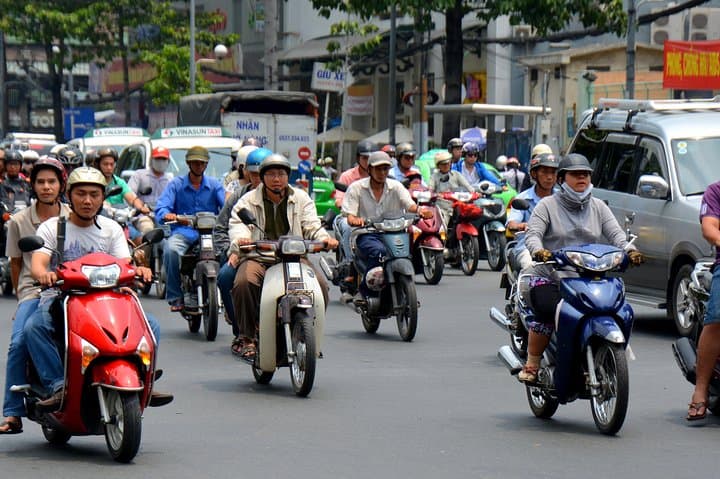
The engines hum like a living current as the group slips into the grid of Saigon. Neon signs flicker against low colonial facades, scooters weave through a river of traffic, and the city’s sharp smells—coffee, frying oil, jasmine—press in close. Riding pillion on a local motorbike, travelers move at street-level pace: intimate, immediate, and alert.
The engines hum like a living current as the group slips into the grid of Saigon. Neon signs flicker against low colonial facades, scooters weave through a river of traffic, and the city’s sharp smells—coffee, frying oil, jasmine—press in close. Riding pillion on a local motorbike, travelers move at street-level pace: intimate, immediate, and alert.
This three-hour loop threads through French colonial boulevards, the glinting glass of new towers, and neighborhood alleys where family-run stalls flip bánh mì and vendors arrange fresh flowers. Saigon’s modern skyline sits on top of layered history: an 18th–19th century trading hub, a stage for 20th-century conflicts, and today a fast-growing economic engine. The city’s geology is flat, part of the Mekong Delta plain, which keeps routes low and accessible but prone to afternoon cloudbursts during monsoon months.
Alongside landmarks—Notre-Dame Cathedral’s red bricks, the old Presidential Palace façade, and a bustling wholesale flower market—guides narrate local customs and point out architectural details that reveal the city’s mixed heritage. Expect short stops for snacks and a local drink; pick-up is typically offered across central districts.
Practicalities matter: wear closed shoes, a light jacket for sudden rain, and secure loose items on the bike. Tours accommodate a range of fitness levels because riding is passive, but staying aware of traffic is essential. Morning and early evening departures avoid the worst heat. Bring small cash for street food and tipping, keep valuables close, and confirm pick-up details in advance. In three hours the city opens up: loud, honest, and impossibly alive.