THE ADVENTURE COLLECTIVE® · Independent discovery and booking for outdoor travel

Ride like a local through Saigon’s markets, temples and riverside alleys on a four-hour morning scooter excursion. Expect lively streets, floating-market stops, and a guide who connects neighborhoods to history and food.
Ride like a local through Saigon’s markets, temples and riverside alleys on a four-hour morning scooter excursion. Expect lively streets, floating-market stops, and a guide who connects neighborhoods to history and food.
The scooter winds through early light and layered city sounds—moped horns, hawkers, and the river’s distant edge—carrying you out of District 1 and into neighborhoods most visitors never see.
Verified experiences and guided adventures in the surrounding area.
Operated by Vietnam Street Food Tour · Ho Chi Minh City, Ho Chi Minh
The scooter winds through early light and layered city sounds—moped horns, hawkers, and the river’s distant edge—carrying you out of District 1 and into neighborhoods most visitors never see.
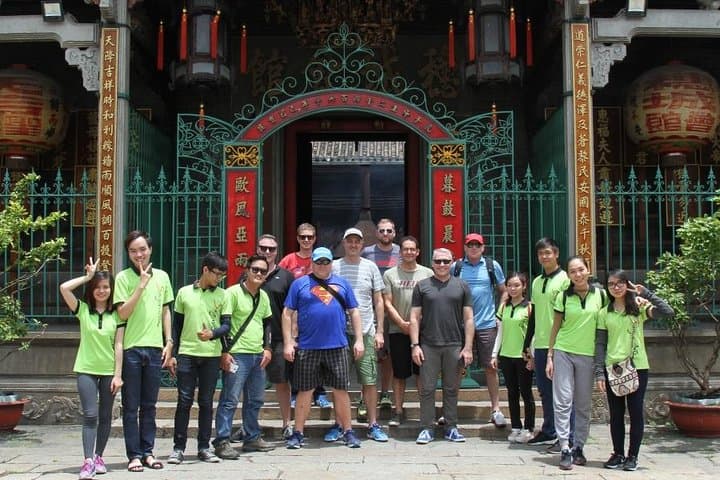
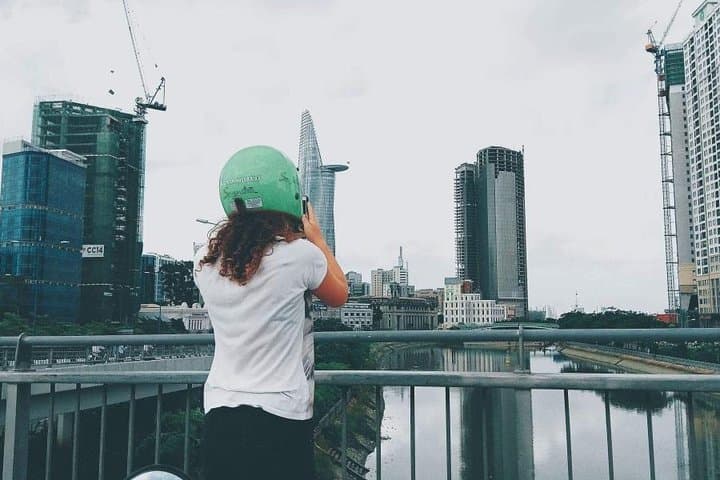
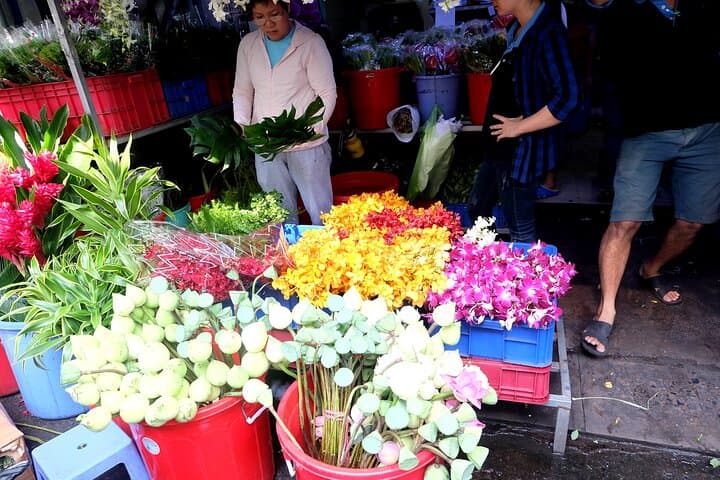
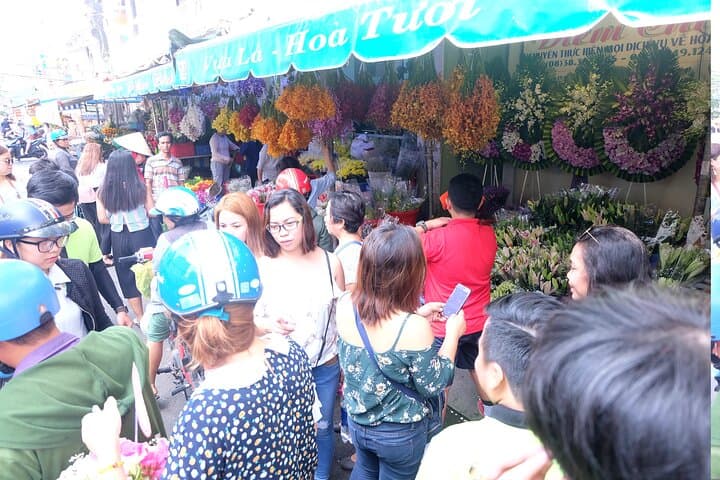
In four hours you’ll pass memorials and markets that map Saigon’s recent past: the Thich Quang Duc statue recalling 1963, Thien Hau temple with materials brought by boat in the 18th century, and wholesale flower stalls stocked from the Mekong Delta. Geologically the tour sits on the flat alluvial plain of the Saigon River and Mekong fringe; bridges and canals stitch low-lying stilt houses to high-rise blocks and explain why riverside life still shapes daily commerce.
Culturally the ride is about being a passenger in local rhythm—coffee sips at a corner stall, bargaining in Binh Tay wholesale lanes, and a stop at a floating market where coconuts and produce are traded from boats. The guide’s English narration ties those scenes to neighborhood stories: the medicinal streets of Chinatown, the ghost apartment alleys of District 3, and the tight-food alleys of District 4.
Practically, expect urban roads, short alleyway detours, and roughly 15–25 km of riding with negligible elevation change. Helmets and raincoats are provided; dress for humidity and quick weather shifts. Carry small-denomination dong for market purchases, bring a compact backpack for camera and water, and plan this as a morning window when traffic is lively but still manageable.
easy.
4 hours.
Suitable for most fitness levels; be comfortable sitting on a scooter for several hours and mounting/dismounting occasionally.
Yes—open-faced helmets and disposable raincoats are provided; bring your own if you prefer a full-face helmet.
Infants must sit on an adult’s lap and children under 5 should be supervised; consult the operator about any weight limits before booking.
Tours run in light rain with raincoats provided; full cancellations depend on severe weather and the operator’s policies—confirm pickup and refund terms when booking.
Walking is minimal—short market strolls and temple steps are included, but most of the tour is experienced as a scooter passenger.
Stops reference Saigon’s 20th-century upheavals and older Chinese-Vietnamese trade links, exemplified by Thich Quang Duc’s memorial and the 18th-century Thien Hau temple.
Riverside and floating communities face pollution and plastic waste pressures—support local vendors, avoid single-use plastics, and follow guide instructions to minimize impact.
Vietnam Street Food Tour operates guided outdoor trips and adventures with an emphasis on safety, stewardship, and memorable experiences.
The scooter winds through early light and layered city sounds—moped horns, hawkers, and the river’s distant edge—carrying you out of District 1 and into neighborhoods most visitors never see.
The scooter winds through early light and layered city sounds—moped horns, hawkers, and the river’s distant edge—carrying you out of District 1 and into neighborhoods most visitors never see.
In four hours you’ll pass memorials and markets that map Saigon’s recent past: the Thich Quang Duc statue recalling 1963, Thien Hau temple with materials brought by boat in the 18th century, and wholesale flower stalls stocked from the Mekong Delta. Geologically the tour sits on the flat alluvial plain of the Saigon River and Mekong fringe; bridges and canals stitch low-lying stilt houses to high-rise blocks and explain why riverside life still shapes daily commerce.
Culturally the ride is about being a passenger in local rhythm—coffee sips at a corner stall, bargaining in Binh Tay wholesale lanes, and a stop at a floating market where coconuts and produce are traded from boats. The guide’s English narration ties those scenes to neighborhood stories: the medicinal streets of Chinatown, the ghost apartment alleys of District 3, and the tight-food alleys of District 4.
Practically, expect urban roads, short alleyway detours, and roughly 15–25 km of riding with negligible elevation change. Helmets and raincoats are provided; dress for humidity and quick weather shifts. Carry small-denomination dong for market purchases, bring a compact backpack for camera and water, and plan this as a morning window when traffic is lively but still manageable.