THE ADVENTURE COLLECTIVE® · Independent discovery and booking for outdoor travel

Step into the underground world where ingenuity met endurance: a private Jeep transfer from Ho Chi Minh City brings you to the Cu Chi Tunnels for guided passages, local food, and a hands-on rice paper demo. Practical tips and cultural context help you prepare for tight tunnels and historical interpretation.
Step into the underground world where ingenuity met endurance: a private Jeep transfer from Ho Chi Minh City brings you to the Cu Chi Tunnels for guided passages, local food, and a hands-on rice paper demo. Practical tips and cultural context help you prepare for tight tunnels and historical interpretation.
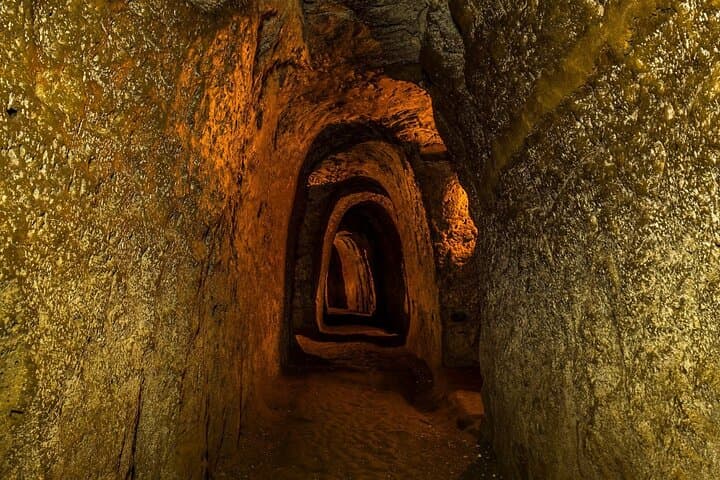
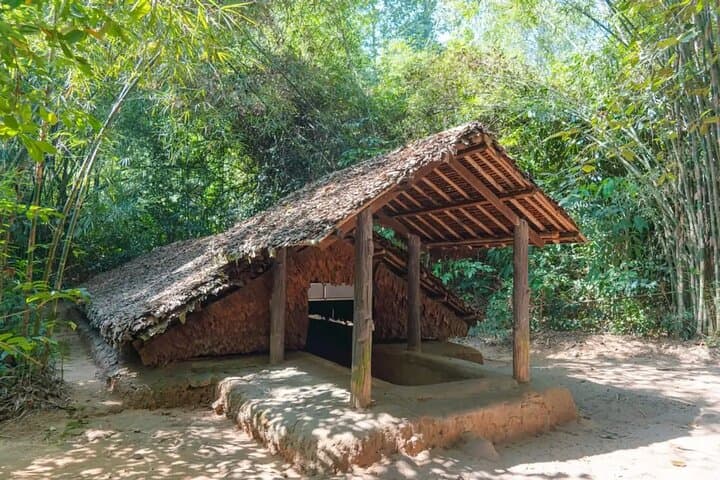
The Jeep pulls off Highway 22 and the roadside palms give way to low, scrubby forest that cushions the Cu Chi tunnels. Heat clings; cicadas argue in the canopy. A narrow camouflaged entrance yawns and you crouch to enter a carved, man-made underground world where light is currency and silence measures distance.
Verified experiences and guided adventures in the surrounding area.
Operated by Charming Tourist · Cu Chi, Ho Chi Minh
The Jeep pulls off Highway 22 and the roadside palms give way to low, scrubby forest that cushions the Cu Chi tunnels. Heat clings; cicadas argue in the canopy. A narrow camouflaged entrance yawns and you crouch to enter a carved, man-made underground world where light is currency and silence measures distance.
The tunnels are a deliberate landscape of survival: hand-dug networks that expanded into more than 250 kilometers of passage, communication shafts, kitchens, and hidden firing positions. Geology here is laterite and packed earth, which made excavation possible but demanded constant maintenance and creative drainage. Cultural touches — rice paper demonstrations, cassava snacks, and local tea — show how everyday food and craft supported logistics as much as identity. Guides, often with family ties to the district, combine oral memory with artifacts to frame tactics, civilian life, and the region’s wartime engineering.
Expect compact spaces, reconstructed sections, and interpretive displays rather than a theme-park spectacle. Practical guidance: wear breathable, modest clothing and closed-toe shoes; gloves can help if you try a reconstructed crawl. The drive from Ho Chi Minh City is roughly 60-90 minutes each way; tours commonly include entrance fees, a light meal, and bottled water. Carry sunscreen, a small daypack, and a charged phone for surface photos.
Respect posted signs and guide directions — some shafts and traps are preserved as historical evidence, not for handling. Plan morning departures to avoid midday heat and allow time for museum exhibits too.
easy.
6 hours.
Suitable for most fitness levels; involves short crouches and short walks but no sustained exertion.
Most operators take about 60–90 minutes each way depending on traffic; private Jeeps follow the highway route northwest.
You can enter widened, preserved or reconstructed sections; original tunnels are narrow and the guide will direct which areas are open to visitors.
Children can attend but must be supervised; the experience involves crouching and tight spaces and is not recommended for people with serious mobility or cardiovascular issues.
Typical private tours include a light meal, one bottle of water, and entrance fees; confirm specifics with your operator at booking.
Cu Chi’s tunnels were expanded into a complex network exceeding 250 km during the conflict, serving as kitchens, hospitals, and command posts for Viet Cong units.
Stay on marked paths and avoid touching fragile earthwork; limiting group size and following guides helps preserve fragile tunnel sections and surrounding habitat.
Charming Tourist operates guided outdoor trips and adventures with an emphasis on safety, stewardship, and memorable experiences.

The Jeep pulls off Highway 22 and the roadside palms give way to low, scrubby forest that cushions the Cu Chi tunnels. Heat clings; cicadas argue in the canopy. A narrow camouflaged entrance yawns and you crouch to enter a carved, man-made underground world where light is currency and silence measures distance.
The Jeep pulls off Highway 22 and the roadside palms give way to low, scrubby forest that cushions the Cu Chi tunnels. Heat clings; cicadas argue in the canopy. A narrow camouflaged entrance yawns and you crouch to enter a carved, man-made underground world where light is currency and silence measures distance.
The tunnels are a deliberate landscape of survival: hand-dug networks that expanded into more than 250 kilometers of passage, communication shafts, kitchens, and hidden firing positions. Geology here is laterite and packed earth, which made excavation possible but demanded constant maintenance and creative drainage. Cultural touches — rice paper demonstrations, cassava snacks, and local tea — show how everyday food and craft supported logistics as much as identity. Guides, often with family ties to the district, combine oral memory with artifacts to frame tactics, civilian life, and the region’s wartime engineering.
Expect compact spaces, reconstructed sections, and interpretive displays rather than a theme-park spectacle. Practical guidance: wear breathable, modest clothing and closed-toe shoes; gloves can help if you try a reconstructed crawl. The drive from Ho Chi Minh City is roughly 60-90 minutes each way; tours commonly include entrance fees, a light meal, and bottled water. Carry sunscreen, a small daypack, and a charged phone for surface photos.
Respect posted signs and guide directions — some shafts and traps are preserved as historical evidence, not for handling. Plan morning departures to avoid midday heat and allow time for museum exhibits too.