THE ADVENTURE COLLECTIVE® · Independent discovery and booking for outdoor travel

A practical full-day tour that moves from Saigon’s political heart and Chinese temples to the bustling Binh Tay Market, ending with an evocative visit to the Cu Chi Tunnels. Expect urban walking, short crawl-through tunnels, and 7–8 hours of guided exploration.
A practical full-day tour that moves from Saigon’s political heart and Chinese temples to the bustling Binh Tay Market, ending with an evocative visit to the Cu Chi Tunnels. Expect urban walking, short crawl-through tunnels, and 7–8 hours of guided exploration.
You step out into Saigon’s humidity before dawn, the city already moving — scooters dart past colonial façades and the air hums with street vendors. The day unfolds through contrasting spaces: modern presidential rooms at the Independence Palace, incense-streaked chambers at Ba Thien Hau, the chaotic aisles of Cho Lon, and finally the cool, shadowed passages of the Cu Chi Tunnels.
Verified experiences and guided adventures in the surrounding area.
Operated by Mekong Tourist · Ho Chi Minh City, Ho Chi Minh
You step out into Saigon’s humidity before dawn, the city already moving — scooters dart past colonial façades and the air hums with street vendors. The day unfolds through contrasting spaces: modern presidential rooms at the Independence Palace, incense-streaked chambers at Ba Thien Hau, the chaotic aisles of Cho Lon, and finally the cool, shadowed passages of the Cu Chi Tunnels.
Designed in the mid-20th century, Independence Palace mixes modernist Vietnamese architecture and wartime history; Ba Thien Hau reflects the long presence of Chinese maritime communities in Saigon. Cho Lon (Binh Tay Market) shows commerce as culture — tight alleys, stacked produce, and a pulse of everyday trade. The Cu Chi Tunnels are an engineered landscape: layered earthen cover, camouflaged vents, and narrow galleries carved through laterite and alluvial soils by local guerrillas during the Vietnam War.
Expect mostly flat walking in urban sites, with some uneven stone and wet alleyways at markets. At Cu Chi you’ll crouch through short demonstration tunnels and walk dirt paths across a preserved combat zone; bring a headlamp if you’re claustrophobic and be prepared to duck through low sections. Travel time from District 1 is typically 1–1.5 hours each way depending on traffic; the full itinerary runs about 7–8 hours.
Practical tips: start early to avoid mid-day heat, keep water and sun protection handy, wear closed-toe shoes for the market and tunnel terrain, and budget small notes for market purchases and local guides. Respect memorial areas, follow staff directions at Cu Chi, and use refillable bottles to reduce plastic waste.
easy.
7–8 hours.
Suitable for most fitness levels; involves several hours of walking and short crouching through demonstration tunnels, but no technical climbing.
Most departures include pickup from central District 1 hotels; you’ll confirm a pickup point when you book.
The tunnel demonstrations involve low, narrow sections and some crouching; those with serious mobility or back problems should observe from exhibit areas instead.
Lunch and entrance fees listed in the itinerary are included; notify special dietary needs at booking so the operator can accommodate them.
Plan for several short walks: about 30–60 minutes of walking in the market and 1–2 hours of moving around Cu Chi’s outdoor exhibits and demonstration tunnels.
Independence Palace was the South Vietnamese presidential residence and a symbol of wartime politics; the Cu Chi Tunnels were an extensive Viet Cong network used for command, living space, and supply routes during the war.
Tourists should avoid littering, stay on marked paths at Cu Chi, and support local vendors—small, responsible choices help preserve both historic sites and community livelihoods.
Mekong Tourist operates guided outdoor trips and adventures with an emphasis on safety, stewardship, and memorable experiences.
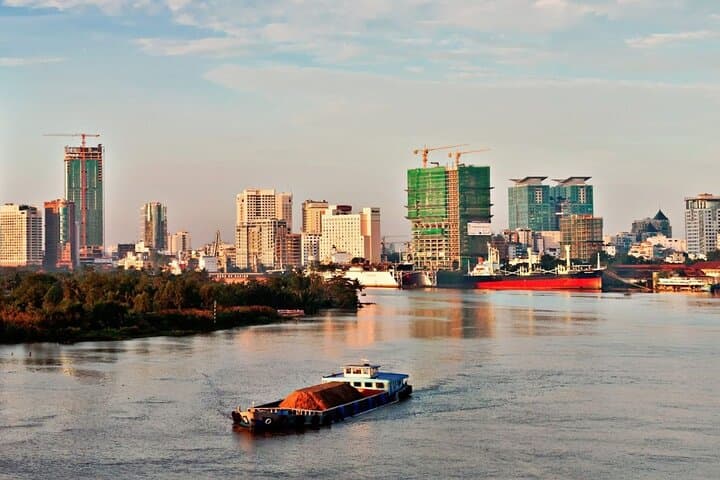

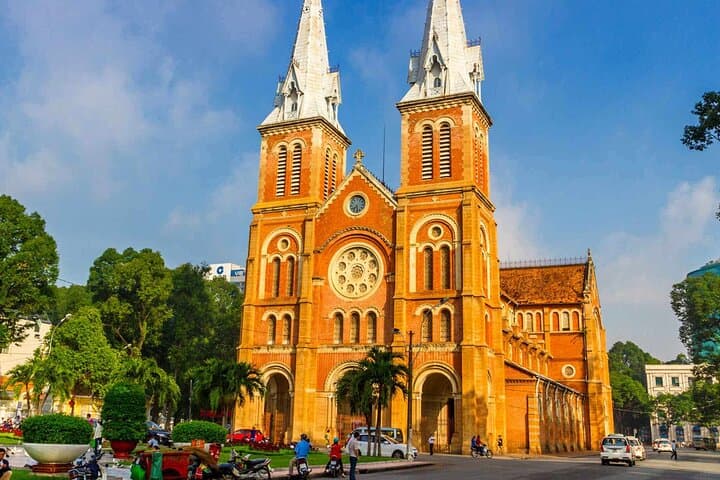

You step out into Saigon’s humidity before dawn, the city already moving — scooters dart past colonial façades and the air hums with street vendors. The day unfolds through contrasting spaces: modern presidential rooms at the Independence Palace, incense-streaked chambers at Ba Thien Hau, the chaotic aisles of Cho Lon, and finally the cool, shadowed passages of the Cu Chi Tunnels.
You step out into Saigon’s humidity before dawn, the city already moving — scooters dart past colonial façades and the air hums with street vendors. The day unfolds through contrasting spaces: modern presidential rooms at the Independence Palace, incense-streaked chambers at Ba Thien Hau, the chaotic aisles of Cho Lon, and finally the cool, shadowed passages of the Cu Chi Tunnels.
Designed in the mid-20th century, Independence Palace mixes modernist Vietnamese architecture and wartime history; Ba Thien Hau reflects the long presence of Chinese maritime communities in Saigon. Cho Lon (Binh Tay Market) shows commerce as culture — tight alleys, stacked produce, and a pulse of everyday trade. The Cu Chi Tunnels are an engineered landscape: layered earthen cover, camouflaged vents, and narrow galleries carved through laterite and alluvial soils by local guerrillas during the Vietnam War.
Expect mostly flat walking in urban sites, with some uneven stone and wet alleyways at markets. At Cu Chi you’ll crouch through short demonstration tunnels and walk dirt paths across a preserved combat zone; bring a headlamp if you’re claustrophobic and be prepared to duck through low sections. Travel time from District 1 is typically 1–1.5 hours each way depending on traffic; the full itinerary runs about 7–8 hours.
Practical tips: start early to avoid mid-day heat, keep water and sun protection handy, wear closed-toe shoes for the market and tunnel terrain, and budget small notes for market purchases and local guides. Respect memorial areas, follow staff directions at Cu Chi, and use refillable bottles to reduce plastic waste.