THE ADVENTURE COLLECTIVE® · Independent discovery and booking for outdoor travel

Walk hidden alleys of Saigon on an evening food safari across Districts 3, 5 and 10. Sample roughly 20 local bites and drinks in 3–4 hours while a local guide navigates non-touristy stalls and markets.
Walk hidden alleys of Saigon on an evening food safari across Districts 3, 5 and 10. Sample roughly 20 local bites and drinks in 3–4 hours while a local guide navigates non-touristy stalls and markets.
The humid evening air of Saigon carries sizzling, steamy calls from alleys where vendors wheel out charcoal grills and woks. You follow a local guide through narrow lanes of Districts 3, 5 and 10, neon signs flickering overhead while scooters thread like restless fish. Each stop is quick—a bowl scooped, a skewered morsel handed across, a sweet sip offered—so the city feels both immediate and vast in a single evening.
Verified experiences and guided adventures in the surrounding area.
Operated by Saigon Adventure · Ho Chi Minh City, Ho Chi Minh
The humid evening air of Saigon carries sizzling, steamy calls from alleys where vendors wheel out charcoal grills and woks. You follow a local guide through narrow lanes of Districts 3, 5 and 10, neon signs flickering overhead while scooters thread like restless fish. Each stop is quick—a bowl scooped, a skewered morsel handed across, a sweet sip offered—so the city feels both immediate and vast in a single evening.
This walk threads modern Saigon over layers of history: Nguyen Thien Thuat’s aging apartment blocks that housed wartime residents, the Ho Thi Ky flower market that shifted the city’s floral trade in the 1980s, and Chinese-Vietnamese culinary influences visible in District 5’s foodways. Geology and climate matter here too—tropical heat pushes midday markets underground into shaded alleys, and the monsoon shapes evening routines.
Practical guidance: plan for 2–4 hours and roughly 2.1 km of walking on mixed pavement and uneven curbs. Bring small-denomination cash—most stalls don’t take cards—and a lightweight, breathable jacket; sudden showers are common from May to October. Wear closed-toe, comfortable walking shoes and reserve heavy meals earlier in the day to leave room for tasting. Communicate allergies ahead of booking; guides can steer you around ingredients like shellfish, peanuts, or pork.
This is a culinary reconnaissance, not fine dining: hygiene standards vary, flavors are bold, and portions are tasting-sized. Move at the group’s rhythm, ask the guide where dishes come from, and savor bite-sized lessons in Saigon’s layered food culture.
easy.
3–4 hours.
Basic walking fitness—able to stand and walk slowly for a few hours and handle short staircases and curbs.
The route covers about 2.1 km (1.3 miles) over 3–4 hours with frequent stops for tasting and short breaks.
Yes—notify the operator at booking; guides will avoid specific ingredients where possible but cross-contamination can occur at street stalls.
Pickup from central Ho Chi Minh City hotels is typically included; confirm your hotel’s location at booking for logistics.
Children 3 years and older are allowed, but the tour includes strong flavors and street food environments that parents should assess for their child.
Nguyen Thien Thuat apartments date from the late 1960s and reflect Saigon’s wartime-to-peacetime residential shift; Ho Thi Ky flower market expanded in the 1980s with flowers from Da Lat and the Mekong.
Support small vendors by minimizing single-use plastics and ordering portions you can finish; avoid encouraging food waste and follow your guide’s advice on safe street-eating practices.
Saigon Adventure operates guided outdoor trips and adventures with an emphasis on safety, stewardship, and memorable experiences.
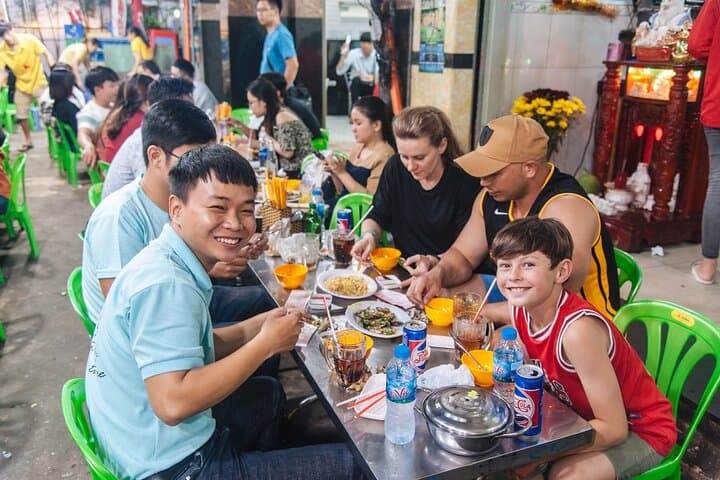
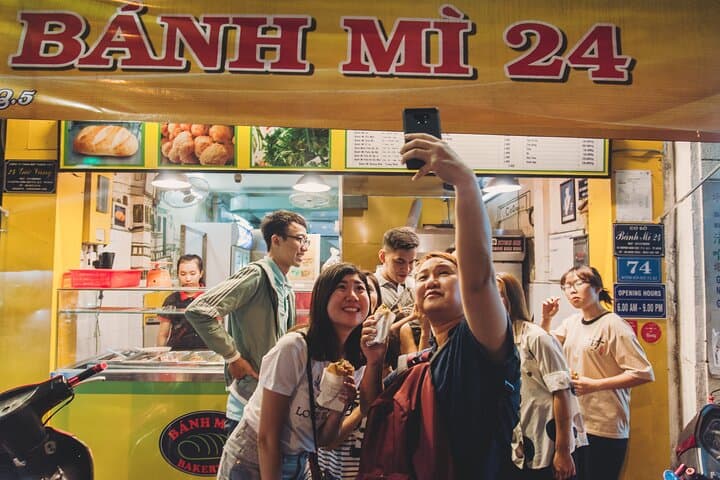
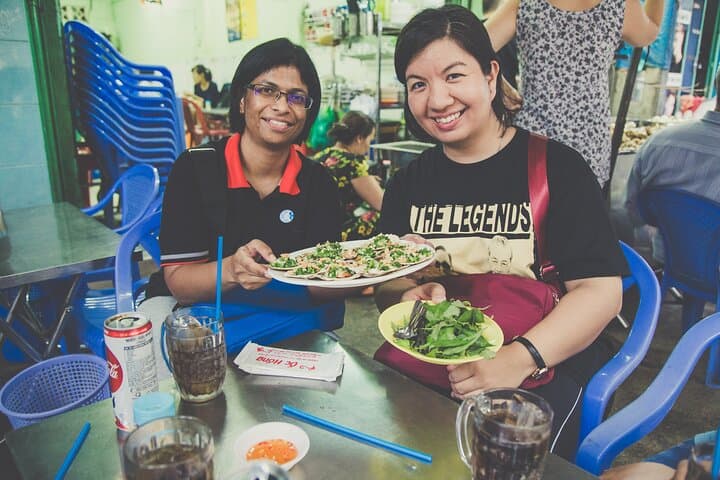
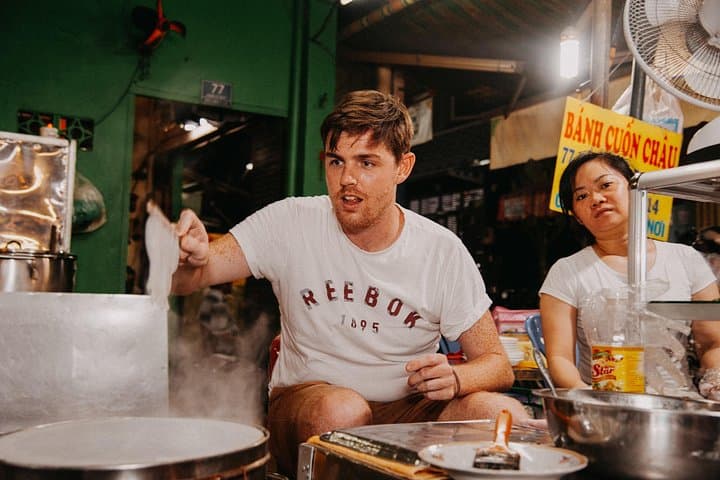
The humid evening air of Saigon carries sizzling, steamy calls from alleys where vendors wheel out charcoal grills and woks. You follow a local guide through narrow lanes of Districts 3, 5 and 10, neon signs flickering overhead while scooters thread like restless fish. Each stop is quick—a bowl scooped, a skewered morsel handed across, a sweet sip offered—so the city feels both immediate and vast in a single evening.
The humid evening air of Saigon carries sizzling, steamy calls from alleys where vendors wheel out charcoal grills and woks. You follow a local guide through narrow lanes of Districts 3, 5 and 10, neon signs flickering overhead while scooters thread like restless fish. Each stop is quick—a bowl scooped, a skewered morsel handed across, a sweet sip offered—so the city feels both immediate and vast in a single evening.
This walk threads modern Saigon over layers of history: Nguyen Thien Thuat’s aging apartment blocks that housed wartime residents, the Ho Thi Ky flower market that shifted the city’s floral trade in the 1980s, and Chinese-Vietnamese culinary influences visible in District 5’s foodways. Geology and climate matter here too—tropical heat pushes midday markets underground into shaded alleys, and the monsoon shapes evening routines.
Practical guidance: plan for 2–4 hours and roughly 2.1 km of walking on mixed pavement and uneven curbs. Bring small-denomination cash—most stalls don’t take cards—and a lightweight, breathable jacket; sudden showers are common from May to October. Wear closed-toe, comfortable walking shoes and reserve heavy meals earlier in the day to leave room for tasting. Communicate allergies ahead of booking; guides can steer you around ingredients like shellfish, peanuts, or pork.
This is a culinary reconnaissance, not fine dining: hygiene standards vary, flavors are bold, and portions are tasting-sized. Move at the group’s rhythm, ask the guide where dishes come from, and savor bite-sized lessons in Saigon’s layered food culture.