THE ADVENTURE COLLECTIVE® · Independent discovery and booking for outdoor travel

Move from Saigon’s colonial avenues to the subterranean Cu Chi Tunnels in one private, full‑day experience. This tour pairs city landmarks with a deep, firsthand look at wartime engineering and modern Vietnamese life.
Move from Saigon’s colonial avenues to the subterranean Cu Chi Tunnels in one private, full‑day experience. This tour pairs city landmarks with a deep, firsthand look at wartime engineering and modern Vietnamese life.
You step from a cool, air‑conditioned van into Saigon’s midday heat; motorbikes orbit like a living current, and the bell towers of Notre‑Dame mark a precise, quiet geometry against the city skyline.
Verified experiences and guided adventures in the surrounding area.
Operated by Authentic SAPA · Ho Chi Minh City, Ho Chi Minh
You step from a cool, air‑conditioned van into Saigon’s midday heat; motorbikes orbit like a living current, and the bell towers of Notre‑Dame mark a precise, quiet geometry against the city skyline.
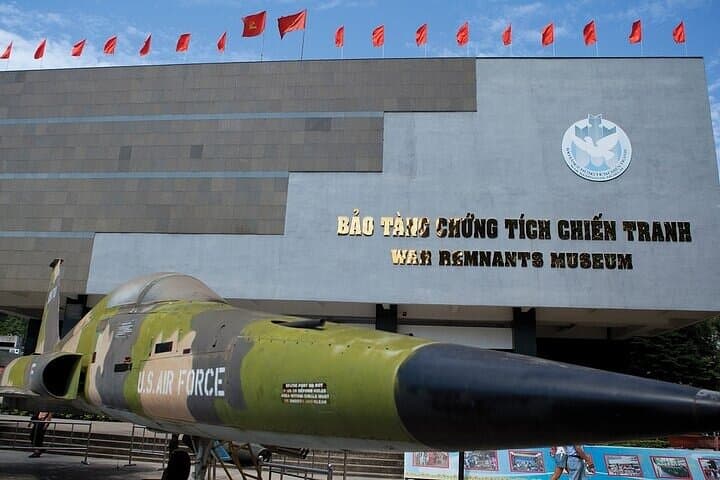
The day moves from columned colonial facades and mosaic‑tiled post office halls to the narrow, dim tunnels of Cu Chi—an abrupt change in scale that forces perspective. In Ho Chi Minh City you trace layers of French urban design, wartime archives at the War Remnants Museum, and the modern commerce of District 1. At Cu Chi, geology and human craft meet: lateritic soils were carved into a defensive underworld, with camouflaged trapdoors, kitchens and sleeping quarters built to withstand bombardment.
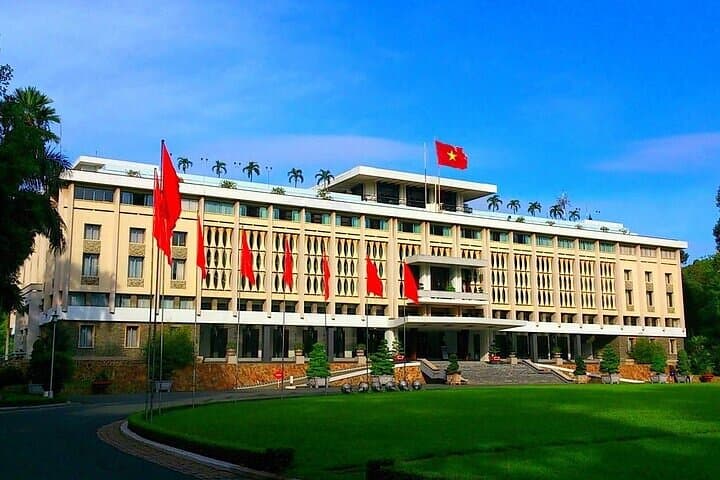
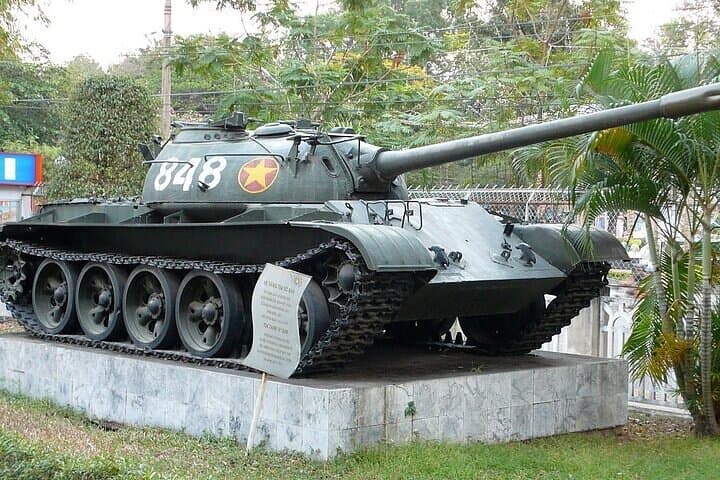
The tour balances narrative with artifacts—the Reunification Palace’s 1970s meeting rooms, wartime photographs that confront and educate, and the tunnels that reveal guerrilla ingenuity in low, cramped corridors. Local guides translate both language and context, connecting national history to personal survival stories.
Practical guidance: expect a full day (about 9–10 hours). Wear closed shoes for tunnel sections and breathable clothes for city walking; bring sunscreen, insect repellent and a camera with a spare battery. The pick‑up/drop‑off from District 1 simplifies logistics, and lunch plus entrance fees are typically included. For respectful visits, follow signs in museums, avoid touching exhibits, and be prepared for emotionally intense displays. Timed right, this private excursion delivers a compact, substantive portrait of Vietnam’s past and present—direct, informative, and quietly powerful.
easy.
9–10 hours.
Suitable for most fitness levels—requires walking on paved streets and brief crouching or stooped movement in tunnel displays.
The private full‑day tour runs about 9–10 hours; pick‑up/drop‑off in District 1, lunch, mineral water, entrance fees and an English‑speaking guide are typically included.
Sites offer short, widened tunnel sections for visitors to enter; original tunnels remain narrow—people with claustrophobia or spinal issues should avoid crawling sections.
Older children who can tolerate confined spaces and long days will manage; young children may find tunnels and museum exhibits distressing.
Bring ID for ticketing, a camera, comfortable shoes, and respectful clothing; large bags may be restricted in some displays.
Ho Chi Minh City’s central architecture reflects 19th‑century French planning; Cu Chi’s tunnels were expanded by Viet Cong fighters into a vast underground network during the Vietnam War.
Stay on marked paths, avoid touching artifacts, and support local guides—these practices reduce wear on sensitive sites and sustain community tourism.
Authentic SAPA operates guided outdoor trips and adventures with an emphasis on safety, stewardship, and memorable experiences.
You step from a cool, air‑conditioned van into Saigon’s midday heat; motorbikes orbit like a living current, and the bell towers of Notre‑Dame mark a precise, quiet geometry against the city skyline.
You step from a cool, air‑conditioned van into Saigon’s midday heat; motorbikes orbit like a living current, and the bell towers of Notre‑Dame mark a precise, quiet geometry against the city skyline.
The day moves from columned colonial facades and mosaic‑tiled post office halls to the narrow, dim tunnels of Cu Chi—an abrupt change in scale that forces perspective. In Ho Chi Minh City you trace layers of French urban design, wartime archives at the War Remnants Museum, and the modern commerce of District 1. At Cu Chi, geology and human craft meet: lateritic soils were carved into a defensive underworld, with camouflaged trapdoors, kitchens and sleeping quarters built to withstand bombardment.
The tour balances narrative with artifacts—the Reunification Palace’s 1970s meeting rooms, wartime photographs that confront and educate, and the tunnels that reveal guerrilla ingenuity in low, cramped corridors. Local guides translate both language and context, connecting national history to personal survival stories.
Practical guidance: expect a full day (about 9–10 hours). Wear closed shoes for tunnel sections and breathable clothes for city walking; bring sunscreen, insect repellent and a camera with a spare battery. The pick‑up/drop‑off from District 1 simplifies logistics, and lunch plus entrance fees are typically included. For respectful visits, follow signs in museums, avoid touching exhibits, and be prepared for emotionally intense displays. Timed right, this private excursion delivers a compact, substantive portrait of Vietnam’s past and present—direct, informative, and quietly powerful.