THE ADVENTURE COLLECTIVE® · Independent discovery and booking for outdoor travel

Spend a day moving from Saigon’s colonial boulevards to the subterranean Cu Chi tunnels. This private full‑day tour pairs museum context with on‑site history at one of Vietnam’s most compelling wartime sites.
Spend a day moving from Saigon’s colonial boulevards to the subterranean Cu Chi tunnels. This private full‑day tour pairs museum context with on‑site history at one of Vietnam’s most compelling wartime sites.
You step out of a cool, air-conditioned van into the sharp hum of District 1 — street vendors calling, scooters threading between colonial facades — and the city’s pulse carries you toward a day split between urban grandeur and subterranean endurance. Morning light picks out the red brick of Notre-Dame and the clean lines of the Reunification Palace before the guide steers you northwest to the Cu Chi tunnels, where damp earth closes over shafts that once hid soldiers and supplies.
Verified experiences and guided adventures in the surrounding area.
Operated by Authentic Travel in Vietnam · Ho Chi Minh City, Ho Chi Minh
You step out of a cool, air-conditioned van into the sharp hum of District 1 — street vendors calling, scooters threading between colonial facades — and the city’s pulse carries you toward a day split between urban grandeur and subterranean endurance. Morning light picks out the red brick of Notre-Dame and the clean lines of the Reunification Palace before the guide steers you northwest to the Cu Chi tunnels, where damp earth closes over shafts that once hid soldiers and supplies.
The tour stitches together layers of history: 19th‑century French urban planning, 20th‑century conflict, and a resilient local culture that reuses language, food, and space to move forward. Geologically, the region sits on Saigon River alluvium — soft, flat plains that made tunnel digging possible and shaped the area's rice-and-canal landscape.
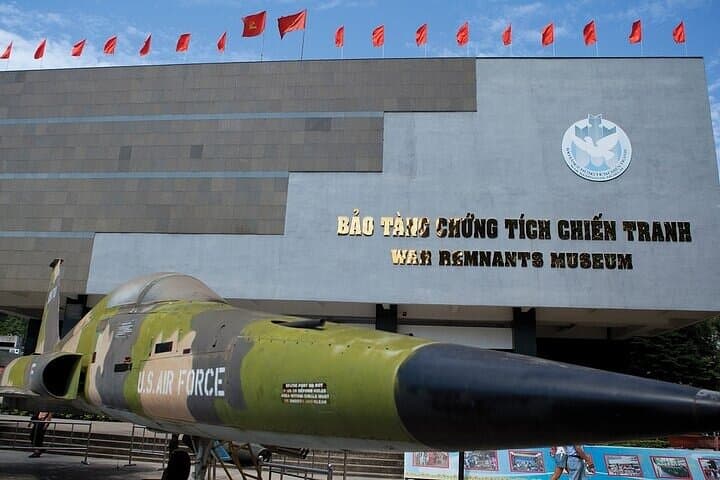
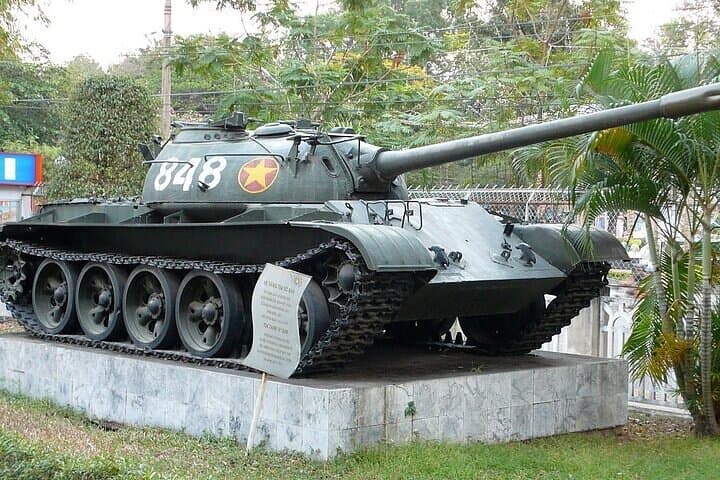
At Cu Chi, narrow tunnel sections and preserved trapdoors illustrate improvised engineering and daily wartime logistics; in the city, war rooms, propaganda posters, and preserved artifacts at the War Remnants Museum confront visitors with difficult realities. Between sites, expect authentic Vietnamese lunch, markets, and the chance to watch Saigon life unfold from a café terrace.
Practical guidance: this is a full‑day outing (about 9–10 hours) with light walking and some crouching at the tunnels. Wear sturdy, closed shoes, bring sun protection and drinking water, and dress respectfully for museum and religious sites. Cameras are welcome, but follow site rules and your guide’s safety briefings at Cu Chi. Book a private vehicle to maximize time and ask for a guide who can balance historical context with local present-day perspectives.
easy.
9–10 hours.
Light fitness; able to walk short distances, climb low ladders and crouch for brief tunnel sections.
Expect about 9–10 hours including hotel pickup in District 1, travel time to Cu Chi, museum visits, and lunch.
Some tunnel replicas are shortened and widened for visitors; however, those with claustrophobia or serious mobility issues should skip crawling sections and watch from the surface.
Lunch and bottled water are included; inform the operator in advance for vegetarian or other dietary requests.
Photography is generally allowed in outdoor and many exhibit areas, but follow posted restrictions and your guide’s directions—some exhibits are sensitive and prohibit flash.
Ho Chi Minh City combines French colonial architecture from the late 19th century with sites central to Vietnam’s 20th‑century conflicts; the Cu Chi tunnels demonstrate local wartime engineering and persistence.
Preserve tunnel sites by not removing artifacts and by staying on marked paths; responsible tourism helps fund conservation and local community programs.
Authentic Travel in Vietnam operates guided outdoor trips and adventures with an emphasis on safety, stewardship, and memorable experiences.
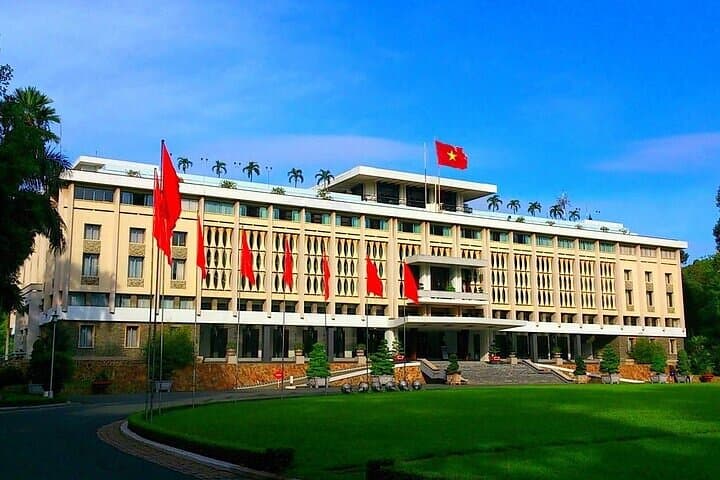
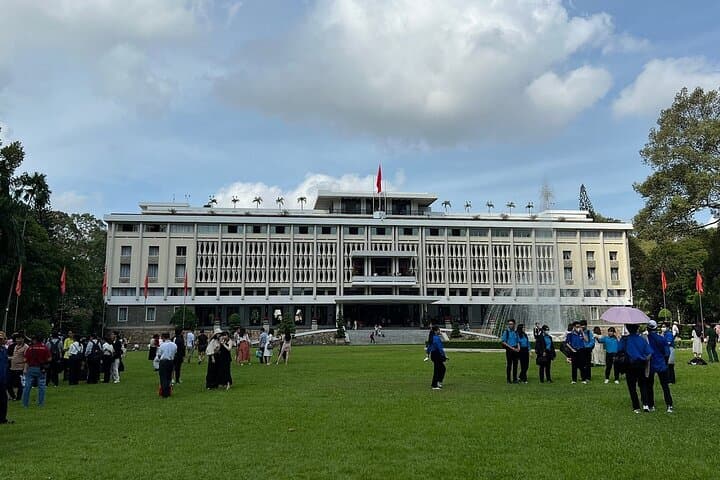
You step out of a cool, air-conditioned van into the sharp hum of District 1 — street vendors calling, scooters threading between colonial facades — and the city’s pulse carries you toward a day split between urban grandeur and subterranean endurance. Morning light picks out the red brick of Notre-Dame and the clean lines of the Reunification Palace before the guide steers you northwest to the Cu Chi tunnels, where damp earth closes over shafts that once hid soldiers and supplies.
You step out of a cool, air-conditioned van into the sharp hum of District 1 — street vendors calling, scooters threading between colonial facades — and the city’s pulse carries you toward a day split between urban grandeur and subterranean endurance. Morning light picks out the red brick of Notre-Dame and the clean lines of the Reunification Palace before the guide steers you northwest to the Cu Chi tunnels, where damp earth closes over shafts that once hid soldiers and supplies.
The tour stitches together layers of history: 19th‑century French urban planning, 20th‑century conflict, and a resilient local culture that reuses language, food, and space to move forward. Geologically, the region sits on Saigon River alluvium — soft, flat plains that made tunnel digging possible and shaped the area's rice-and-canal landscape.
At Cu Chi, narrow tunnel sections and preserved trapdoors illustrate improvised engineering and daily wartime logistics; in the city, war rooms, propaganda posters, and preserved artifacts at the War Remnants Museum confront visitors with difficult realities. Between sites, expect authentic Vietnamese lunch, markets, and the chance to watch Saigon life unfold from a café terrace.
Practical guidance: this is a full‑day outing (about 9–10 hours) with light walking and some crouching at the tunnels. Wear sturdy, closed shoes, bring sun protection and drinking water, and dress respectfully for museum and religious sites. Cameras are welcome, but follow site rules and your guide’s safety briefings at Cu Chi. Book a private vehicle to maximize time and ask for a guide who can balance historical context with local present-day perspectives.