THE ADVENTURE COLLECTIVE® · Independent discovery and booking for outdoor travel

Traverse five days of Morocco’s southern Sahara from Zagora’s stony regs through shaded oases to the wind-shaped dunes of Chegaga. This guided trek pairs local knowledge with basic camping comforts for a varied desert experience.
Traverse five days of Morocco’s southern Sahara from Zagora’s stony regs through shaded oases to the wind-shaped dunes of Chegaga. This guided trek pairs local knowledge with basic camping comforts for a varied desert experience.
Late afternoon light slants across the stony floor of Lfayja as the convoy pulls away from Zagora. Footsteps sink into packed gravel; the desert feels alive—rocks hold heat and dunes ahead breathe with the wind. Over five days you move through a changing Sahara: stony regs underfoot, narrow oasis gorges where date palms lean over trickling channels, and finally the broad, rolling faces of Erg Chegaga where sand climbs like slow waves.
Verified experiences and guided adventures in the surrounding area.
Operated by Wandern Marokko Fahim · Zagora, Drâa-Tafilalet
Late afternoon light slants across the stony floor of Lfayja as the convoy pulls away from Zagora. Footsteps sink into packed gravel; the desert feels alive—rocks hold heat and dunes ahead breathe with the wind. Over five days you move through a changing Sahara: stony regs underfoot, narrow oasis gorges where date palms lean over trickling channels, and finally the broad, rolling faces of Erg Chegaga where sand climbs like slow waves.
Geology here is blunt and honest: wind-sculpted conglomerates give way to mobile sand fields that accumulated during Holocene shifts in climate. Human stories are layered atop that geology—Berber trading routes, nomad encampments and the caravan tracks that linked the Sahara to Marrakech. Guides from the High Atlas bring local knowledge: water points, seasonal springs in Ouad lmhasser, and campsite etiquette in oasis communities.
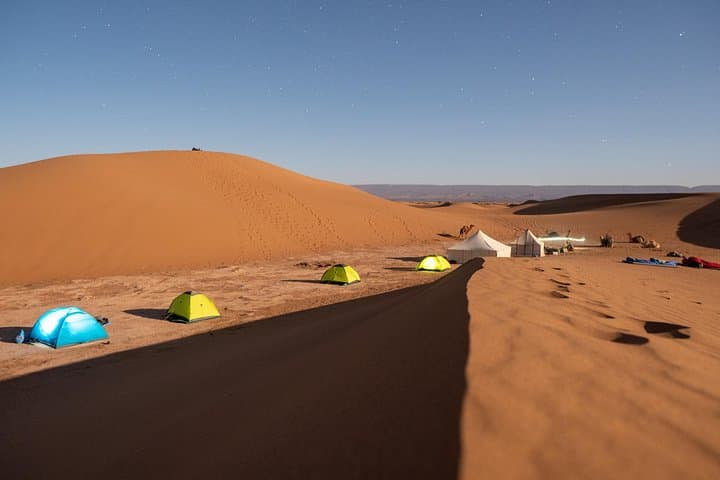
Expect mixed terrain and variable temperatures—hot, sun-exposed days and cold nights. The trip runs with a small group (2–12); tents, sun mats and filtered water are provided. Meals are simple and local: tagines, bread, strong mint tea.
Practical guidance: schedule trekking in shoulder seasons to avoid extreme summer heat; carry 3–4 liters of water daily, high-SPF sun protection and warm layers for night. Good ankle-support boots and a reliable daypack matter as much as stamina. Respect local culture—ask before photographing people—and follow leave-no-trace rules: pack out waste and minimize campfire impact. This route rewards steady pacing: the desert’s scale opens slowly, revealing quiet panoramas and the particular rhythm of Saharan travel.
moderate.
5–9 days (5 days trekking within a 9-day tour option).
Good aerobic fitness and the ability to carry a 10–15 kg daypack; comfortable with multiple hours of walking on mixed terrain each day.
Moderate: expect several hours of daily walking over mixed sandstone, gravel plains and dunes; prior hiking experience and basic endurance are recommended.
Yes—group meals (breakfast, lunch, dinner), tents, sun mats and basic kitchen equipment are included as part of the tour package.
Yes for reasonably fit beginners when traveling with the guided group; inform the operator of fitness level and any health concerns during booking.
Guides are local mountain guides from the High Atlas and the tour notes that a German-speaking guide leads many departures; ask operator about language options when booking.
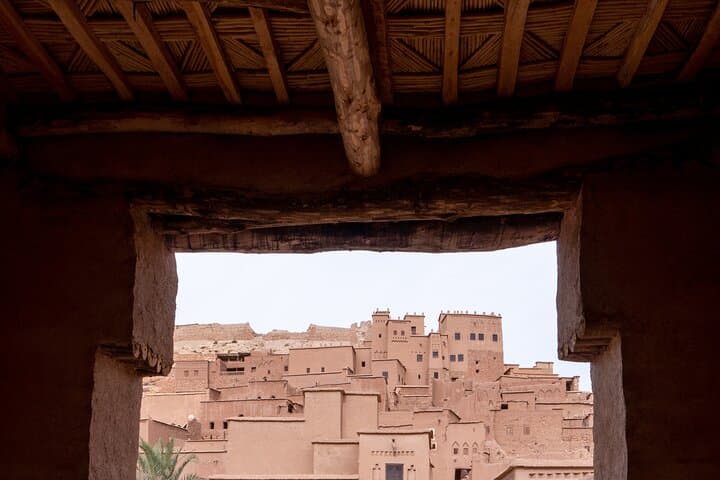
This route follows long-used caravan and nomad paths connecting Draa Valley settlements to the inland dunes; local villages retain Amazigh (Berber) cultural traditions and palm-grove agriculture.
Travelers should minimize water waste, avoid cutting vegetation in oases and carry out all non-biodegradable waste; support local guides and communities to ensure sustainable tourism benefits.
Wandern Marokko Fahim operates guided outdoor trips and adventures with an emphasis on safety, stewardship, and memorable experiences.
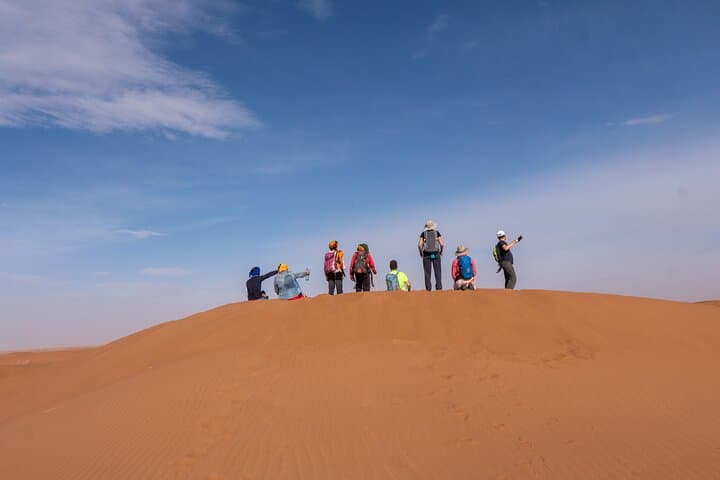
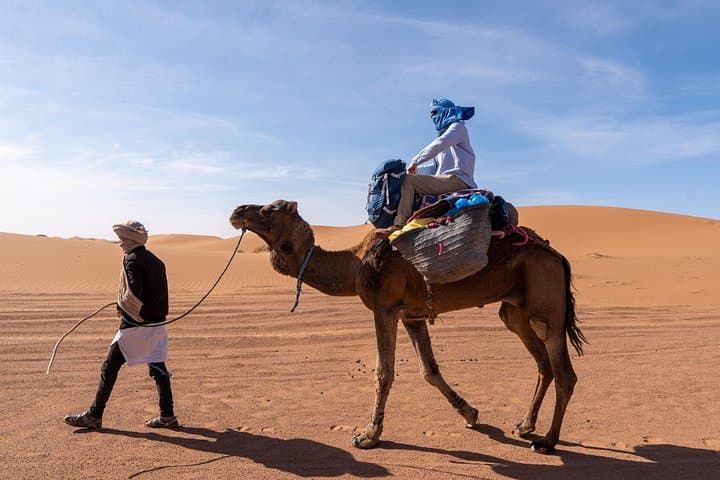
Late afternoon light slants across the stony floor of Lfayja as the convoy pulls away from Zagora. Footsteps sink into packed gravel; the desert feels alive—rocks hold heat and dunes ahead breathe with the wind. Over five days you move through a changing Sahara: stony regs underfoot, narrow oasis gorges where date palms lean over trickling channels, and finally the broad, rolling faces of Erg Chegaga where sand climbs like slow waves.
Late afternoon light slants across the stony floor of Lfayja as the convoy pulls away from Zagora. Footsteps sink into packed gravel; the desert feels alive—rocks hold heat and dunes ahead breathe with the wind. Over five days you move through a changing Sahara: stony regs underfoot, narrow oasis gorges where date palms lean over trickling channels, and finally the broad, rolling faces of Erg Chegaga where sand climbs like slow waves.
Geology here is blunt and honest: wind-sculpted conglomerates give way to mobile sand fields that accumulated during Holocene shifts in climate. Human stories are layered atop that geology—Berber trading routes, nomad encampments and the caravan tracks that linked the Sahara to Marrakech. Guides from the High Atlas bring local knowledge: water points, seasonal springs in Ouad lmhasser, and campsite etiquette in oasis communities.
Expect mixed terrain and variable temperatures—hot, sun-exposed days and cold nights. The trip runs with a small group (2–12); tents, sun mats and filtered water are provided. Meals are simple and local: tagines, bread, strong mint tea.
Practical guidance: schedule trekking in shoulder seasons to avoid extreme summer heat; carry 3–4 liters of water daily, high-SPF sun protection and warm layers for night. Good ankle-support boots and a reliable daypack matter as much as stamina. Respect local culture—ask before photographing people—and follow leave-no-trace rules: pack out waste and minimize campfire impact. This route rewards steady pacing: the desert’s scale opens slowly, revealing quiet panoramas and the particular rhythm of Saharan travel.