THE ADVENTURE COLLECTIVE® · Independent discovery and booking for outdoor travel

Cross the High Atlas, visit UNESCO-listed Aït Ben Haddou, and spend a night under the desert stars on a five-day loop from Marrakech to Zagora. Expect long scenic drives, a camel trek at sunset, and a mix of hotel and tented-camp accommodations.
Cross the High Atlas, visit UNESCO-listed Aït Ben Haddou, and spend a night under the desert stars on a five-day loop from Marrakech to Zagora. Expect long scenic drives, a camel trek at sunset, and a mix of hotel and tented-camp accommodations.
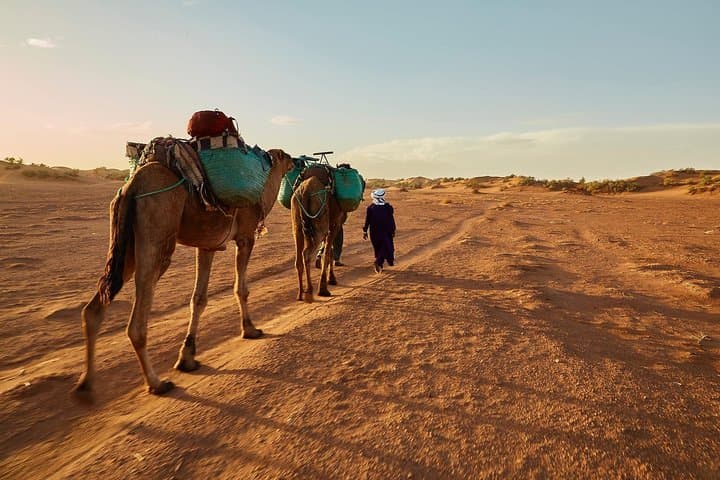
You leave Marrakech before dawn, the city’s bustle folding behind you as the road climbs through the High Atlas. The pass opens into red rock and terraced fields, and by late afternoon the landscape shifts again—palm trunks and sun-bleached kasbah walls giving way to wind-sculpted dunes. On the horizon, a caravan of camels marks the transition from road to sand.
Verified experiences and guided adventures in the surrounding area.
Operated by Marrakech Tours · Marrakech, Marrakech-Safi
You leave Marrakech before dawn, the city’s bustle folding behind you as the road climbs through the High Atlas. The pass opens into red rock and terraced fields, and by late afternoon the landscape shifts again—palm trunks and sun-bleached kasbah walls giving way to wind-sculpted dunes. On the horizon, a caravan of camels marks the transition from road to sand.
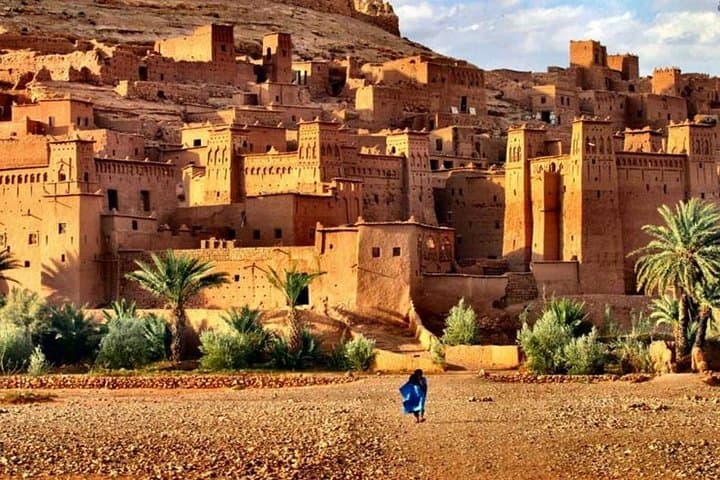
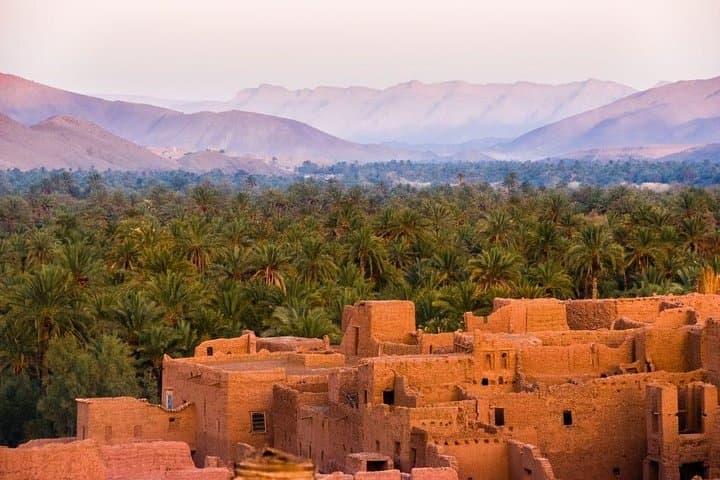
This route follows ancient caravan corridors and modern film trails. Kasbah Aït Ben Haddou—an earthen citadel and UNESCO site—shows how mud-brick architecture held forests of families and traders. Geologically, the journey moves from metamorphic Atlas ridges to the alluvial plains of the Draa Valley and the Saharan erg beyond Zagora.
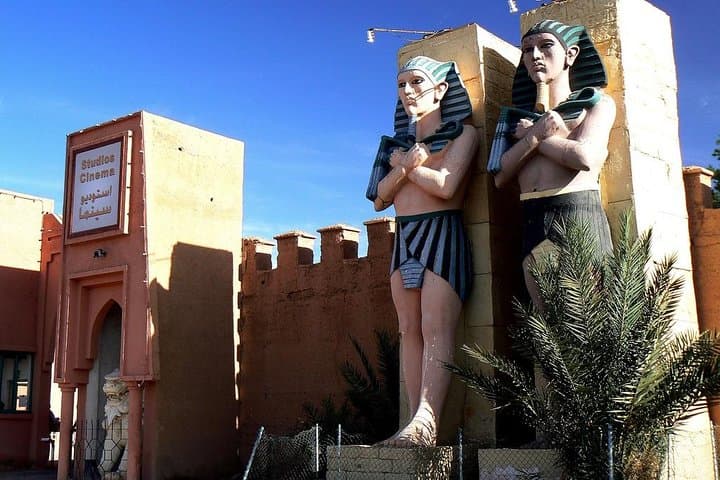
Culturally the trip is straightforward: Berber villages, market stalls, and evenings of music in desert camps where local musicians play traditional rhythms. Ouarzazate’s film studios sit where landscape and story attract filmmakers. Expect long drives broken by short walks, a guided visit to Aït Ben Haddou, and a sunset camel trek that ends at a private tented camp with shared bathroom facilities.
Practical edge: pack layered clothing for chilly desert nights, sun protection, and a sturdy pair of shoes for kasbah cobbles. Hydrate on the road—stores are sparse between stops—and time activities for golden hour; sunrise in the dunes is quieter than sunset. The tour uses air-conditioned vehicles and includes breakfasts and dinners; bring cash for small purchases and optional tips. For first-timers, the camel ride is steady but ask for help mounting. This itinerary balances cultural stops, dramatic geology, and an overnight under a very wide sky.
moderate.
5 days.
Suitable for travelers in average physical condition; able to mount a camel and manage several short walks and long vehicle transfers.
Modest fitness is enough: there are no technical hikes, but you should be able to mount a camel and walk short uneven sections.
Nights alternate between 4-star hotels in Marrakech/Ouarzazate and a private tented camp in the desert with shared outside bathroom facilities.
Breakfasts and dinners are included on most days; lunches are typically at local restaurants and paid for on your own.
Carry Moroccan dirhams for small purchases and tips—cards work in larger towns but not in remote villages or some camps.
This corridor connected trans-Saharan caravan routes; Aït Ben Haddou became a fortified stopping point and later a filming location that preserved its earthen architecture.
Water is scarce—minimize usage and pack out non-biodegradable waste; choose operators who employ local guides and support camp staff.
Marrakech Tours operates guided outdoor trips and adventures with an emphasis on safety, stewardship, and memorable experiences.
You leave Marrakech before dawn, the city’s bustle folding behind you as the road climbs through the High Atlas. The pass opens into red rock and terraced fields, and by late afternoon the landscape shifts again—palm trunks and sun-bleached kasbah walls giving way to wind-sculpted dunes. On the horizon, a caravan of camels marks the transition from road to sand.
You leave Marrakech before dawn, the city’s bustle folding behind you as the road climbs through the High Atlas. The pass opens into red rock and terraced fields, and by late afternoon the landscape shifts again—palm trunks and sun-bleached kasbah walls giving way to wind-sculpted dunes. On the horizon, a caravan of camels marks the transition from road to sand.
This route follows ancient caravan corridors and modern film trails. Kasbah Aït Ben Haddou—an earthen citadel and UNESCO site—shows how mud-brick architecture held forests of families and traders. Geologically, the journey moves from metamorphic Atlas ridges to the alluvial plains of the Draa Valley and the Saharan erg beyond Zagora.
Culturally the trip is straightforward: Berber villages, market stalls, and evenings of music in desert camps where local musicians play traditional rhythms. Ouarzazate’s film studios sit where landscape and story attract filmmakers. Expect long drives broken by short walks, a guided visit to Aït Ben Haddou, and a sunset camel trek that ends at a private tented camp with shared bathroom facilities.
Practical edge: pack layered clothing for chilly desert nights, sun protection, and a sturdy pair of shoes for kasbah cobbles. Hydrate on the road—stores are sparse between stops—and time activities for golden hour; sunrise in the dunes is quieter than sunset. The tour uses air-conditioned vehicles and includes breakfasts and dinners; bring cash for small purchases and optional tips. For first-timers, the camel ride is steady but ask for help mounting. This itinerary balances cultural stops, dramatic geology, and an overnight under a very wide sky.