THE ADVENTURE COLLECTIVE® · Independent discovery and booking for outdoor travel

Spend a full day hunting fossils in the Sahara around Merzouga with local guides. Learn excavation techniques, visit a preparation workshop, and take home the small finds you uncover.
Spend a full day hunting fossils in the Sahara around Merzouga with local guides. Learn excavation techniques, visit a preparation workshop, and take home the small finds you uncover.
You step off the dusty track and feel the Sahara’s heat press like a living thing, grains shifting under boot and wind sketching new lines across exposed bedrock. In the distance, cinnamon dunes of Erg Chebbi rise like suspended waves; underfoot, the desert opens into hardpan shelves where the bones of ancient seas lie waiting. Local guides point to fossilized shells and vertebrae, teaching you how to pry them from sand with patient tools and careful hands.
Verified experiences and guided adventures in the surrounding area.
Operated by Sahara and beyond · Merzouga, Drâa-Tafilalet
You step off the dusty track and feel the Sahara’s heat press like a living thing, grains shifting under boot and wind sketching new lines across exposed bedrock. In the distance, cinnamon dunes of Erg Chebbi rise like suspended waves; underfoot, the desert opens into hardpan shelves where the bones of ancient seas lie waiting. Local guides point to fossilized shells and vertebrae, teaching you how to pry them from sand with patient tools and careful hands.
This is a landscape written in deep time. Between 50 and 250 million years ago, much of this region was covered by the Tethys Sea; today its sedimentary limestone and shale hold marine fossils—ammonites, bivalves, even fragments of prehistoric fish. The human story here centers on nomadic Tuareg and Berber communities who adapted trade routes along these margins, and on modern small towns like Merzouga and Erfoud that grew around oasis wells and date palms.
Practical guidance: the tour is a full-day, moderate-level outing. Guides supply excavation tools, bottled water, and a packed lunch; wear sturdy hiking shoes, sun protection, and bring at least 2–3 liters of water. Physical demands include walking on uneven rock and sand and kneeling to extract specimens—good mobility and basic stamina help.
Respect site rules: salvage for personal keeps is allowed by the operator, but broader scientific sites are protected—follow your guide and avoid removing large in-situ formations. Best times are early morning or late afternoon to avoid peak heat, and the workshop visit will show you cleaning and conservation techniques for any finds.
moderate.
Full day (6–8 hours).
Comfortable walking on uneven rock and sand; ability to kneel and squat repeatedly
Small, non-protected fossils found within the allowed areas are typically yours to keep; guides will advise if an item must remain due to local regulations or scientific value.
Expect several hours of walking on uneven ground and some kneeling; a moderate fitness level and comfortable mobility make the day easier.
Yes—children can participate but must be supervised; age and stamina limits may apply, and guardians should confirm when booking.
Early morning or late afternoon avoids peak heat and improves visibility of fossil-bearing layers; operators schedule accordingly depending on conditions.
The Sahara around Merzouga was once part of the Tethys Sea; sedimentary layers here preserve marine life from the Mesozoic and Cenozoic eras, attracting paleontologists and amateur collectors alike.
Stick to guided zones to avoid degrading scientifically important exposures; responsible collection limits and workshop conservation help preserve material and context for research.
Sahara and beyond operates guided outdoor trips and adventures with an emphasis on safety, stewardship, and memorable experiences.
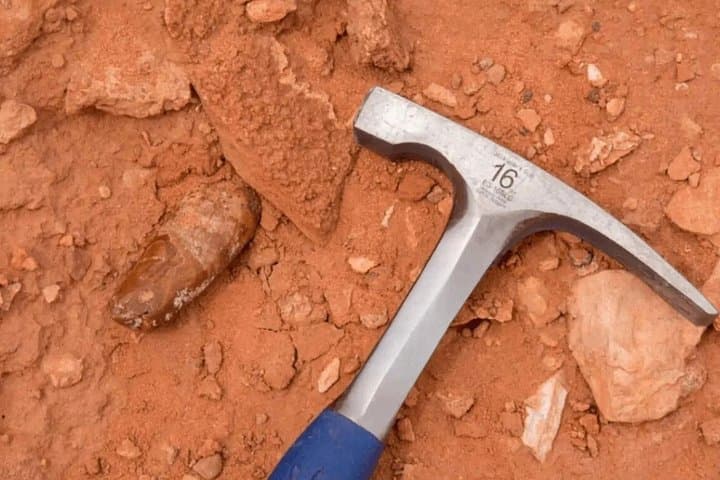
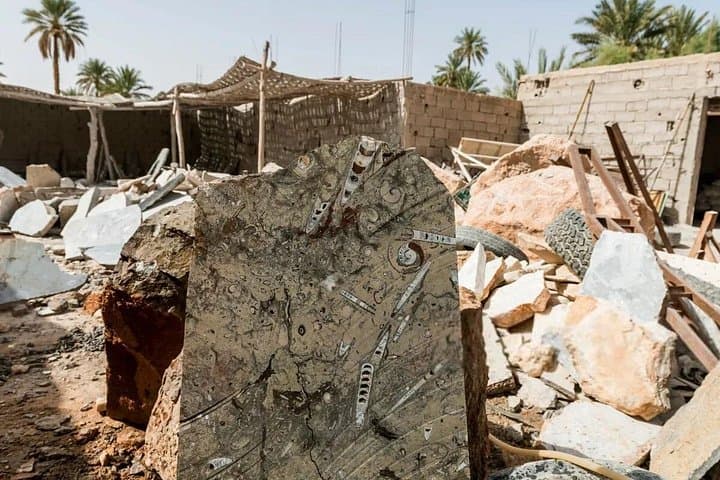
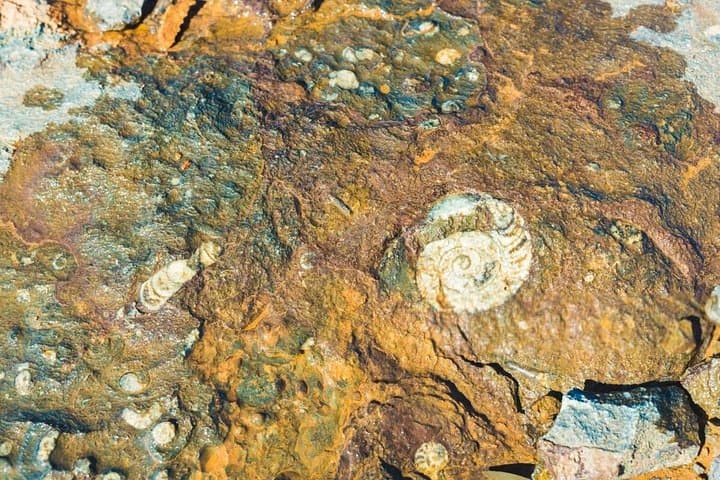
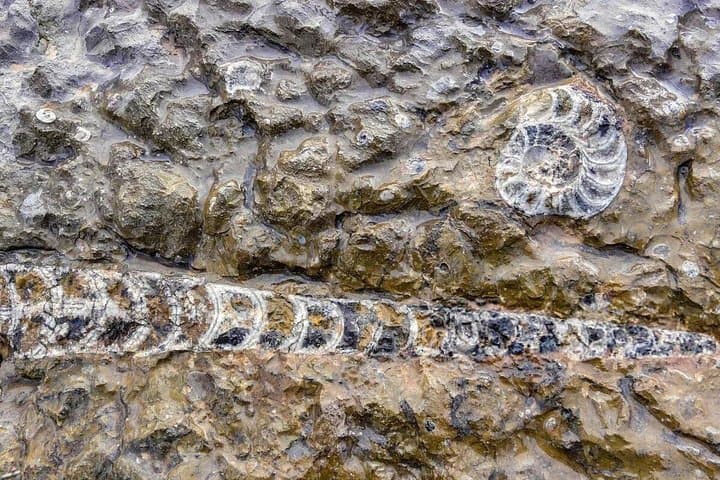
You step off the dusty track and feel the Sahara’s heat press like a living thing, grains shifting under boot and wind sketching new lines across exposed bedrock. In the distance, cinnamon dunes of Erg Chebbi rise like suspended waves; underfoot, the desert opens into hardpan shelves where the bones of ancient seas lie waiting. Local guides point to fossilized shells and vertebrae, teaching you how to pry them from sand with patient tools and careful hands.
You step off the dusty track and feel the Sahara’s heat press like a living thing, grains shifting under boot and wind sketching new lines across exposed bedrock. In the distance, cinnamon dunes of Erg Chebbi rise like suspended waves; underfoot, the desert opens into hardpan shelves where the bones of ancient seas lie waiting. Local guides point to fossilized shells and vertebrae, teaching you how to pry them from sand with patient tools and careful hands.
This is a landscape written in deep time. Between 50 and 250 million years ago, much of this region was covered by the Tethys Sea; today its sedimentary limestone and shale hold marine fossils—ammonites, bivalves, even fragments of prehistoric fish. The human story here centers on nomadic Tuareg and Berber communities who adapted trade routes along these margins, and on modern small towns like Merzouga and Erfoud that grew around oasis wells and date palms.
Practical guidance: the tour is a full-day, moderate-level outing. Guides supply excavation tools, bottled water, and a packed lunch; wear sturdy hiking shoes, sun protection, and bring at least 2–3 liters of water. Physical demands include walking on uneven rock and sand and kneeling to extract specimens—good mobility and basic stamina help.
Respect site rules: salvage for personal keeps is allowed by the operator, but broader scientific sites are protected—follow your guide and avoid removing large in-situ formations. Best times are early morning or late afternoon to avoid peak heat, and the workshop visit will show you cleaning and conservation techniques for any finds.