THE ADVENTURE COLLECTIVE® · Independent discovery and booking for outdoor travel

Witness autumn raptor migrations and spring breeding displays on a full‑day birdwatching circuit around Sagres. Expect cliffside scopes, guided stops at Cape St. Vincent and close looks at Little Bustards and coastal raptors.
Witness autumn raptor migrations and spring breeding displays on a full‑day birdwatching circuit around Sagres. Expect cliffside scopes, guided stops at Cape St. Vincent and close looks at Little Bustards and coastal raptors.
A salt‑sharp wind pushes across the cliffs as your guide lifts a spotting scope toward the channel. Behind you, low stone reefs cut the Atlantic into white foam; ahead, Cape St. Vincent juts like a watchman as birds thread the sky. This is a day in Sagres: coastal promontories, scrubby garrigue, and open farmland where migrants funnel along the Portuguese edge of Europe.
Verified experiences and guided adventures in the surrounding area.
Operated by A Rocha Life · Sagres, Algarve
A salt‑sharp wind pushes across the cliffs as your guide lifts a spotting scope toward the channel. Behind you, low stone reefs cut the Atlantic into white foam; ahead, Cape St. Vincent juts like a watchman as birds thread the sky. This is a day in Sagres: coastal promontories, scrubby garrigue, and open farmland where migrants funnel along the Portuguese edge of Europe.
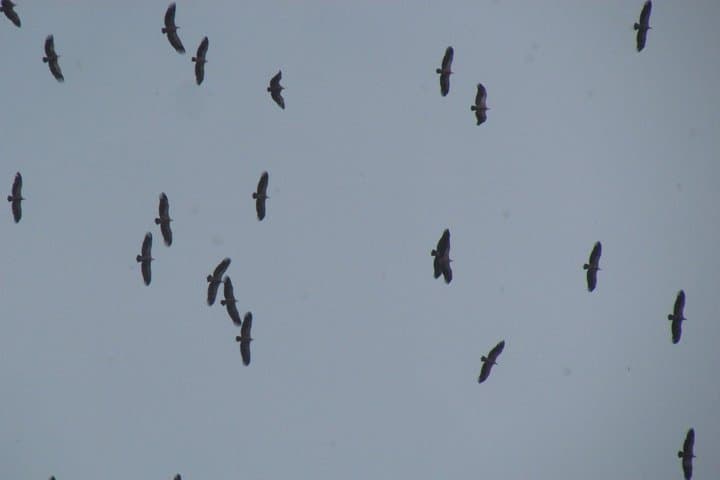
The Sagres peninsula has a layered history — a crossroads for mariners since the Age of Discovery and a geological edge where Triassic and Jurassic limestones meet younger sediments, producing steep cliffs and sheltered coves. Human presence is light here, and the long coastline shapes both local culture and bird movements: raptors ride thermals above the capes in autumn while warblers and pipits breed in spring across the valley scrub.
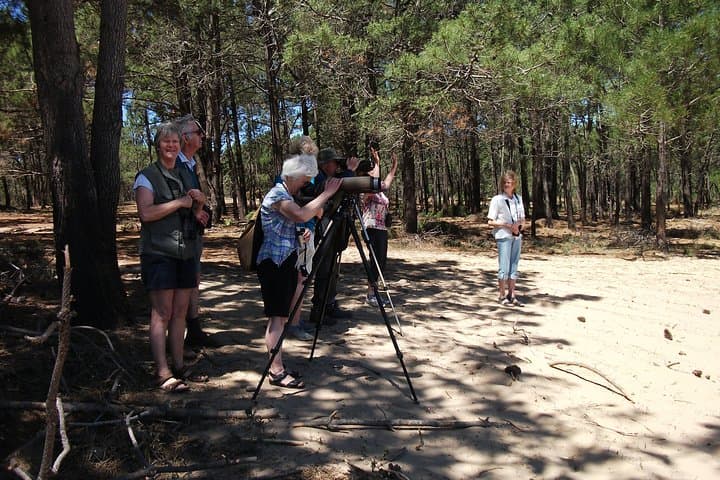
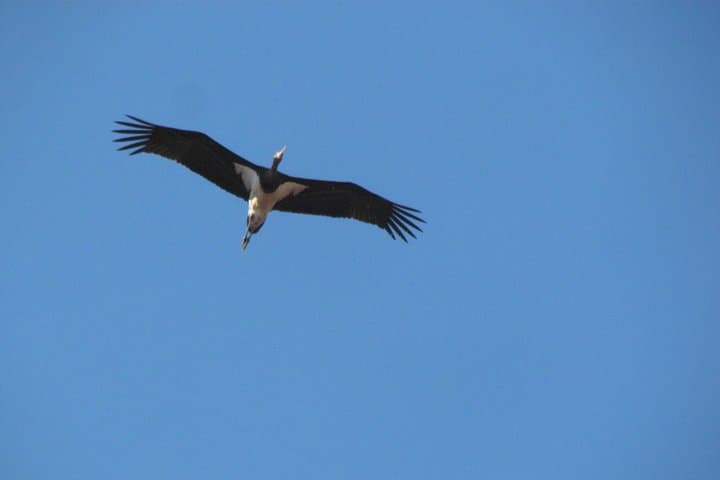
Expect a methodical pace: stops at Ponta da Atalaia, Cabo de São Vicente and nearby valleys to scan for booted eagles, falcons and displaying Little Bustards. The guide’s telescope turns distant specks into clear profiles, and the group moves between viewpoints, trading notes on calls and flight patterns.
Practical side: this tour runs about 7–9 hours, often on mixed gravel tracks and short walks on uneven ground. Dress in layers, bring sun and wind protection, and pack water and snacks; mornings are best for migration windows. Respect the fragile coastal vegetation — keep to tracks and avoid disturbing flushing birds. With basic binocular skills you’ll leave with a clear sense of how the Atlantic shapes one of Europe’s most predictable migration funnels.
easy.
7–9 hours.
Suitable for most fitness levels; requires ability to stand and walk short uneven sections repeatedly over a full day.
Autumn (September–November) is peak for raptor passage as birds move south along the coast; spring shows more passerine and local displays.
Walks are short and frequent — usually 5–30 minute stretches from vehicle to viewpoint on mixed terrain.
Yes; guides typically bring a high‑quality spotting scope for group use, though personal scopes are welcome.
The tour is rated easy and accessible for many, but cliff viewpoints may require short uneven walks; discuss mobility needs with the operator when booking.
Sagres and nearby Cape St. Vincent were strategic landmarks for 15th‑century Portuguese navigation and remain dotted with small forts and maritime markers.
This coastline is an important migration corridor; stick to paths and avoid playing recorded calls to reduce stress on passing and breeding birds.
A Rocha Life operates guided outdoor trips and adventures with an emphasis on safety, stewardship, and memorable experiences.
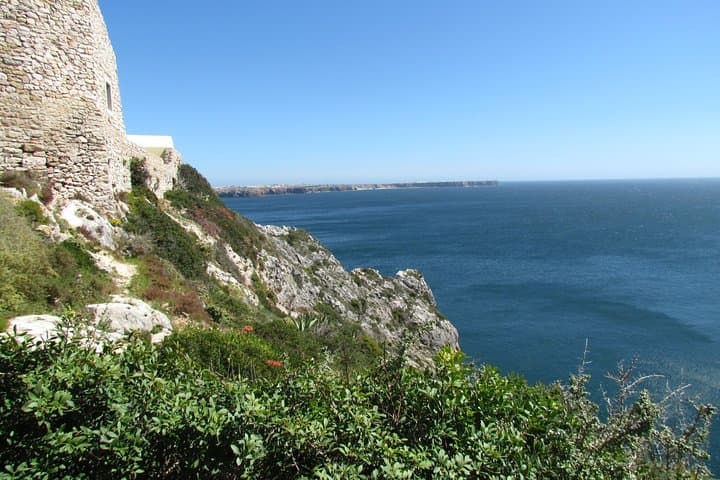
A salt‑sharp wind pushes across the cliffs as your guide lifts a spotting scope toward the channel. Behind you, low stone reefs cut the Atlantic into white foam; ahead, Cape St. Vincent juts like a watchman as birds thread the sky. This is a day in Sagres: coastal promontories, scrubby garrigue, and open farmland where migrants funnel along the Portuguese edge of Europe.
A salt‑sharp wind pushes across the cliffs as your guide lifts a spotting scope toward the channel. Behind you, low stone reefs cut the Atlantic into white foam; ahead, Cape St. Vincent juts like a watchman as birds thread the sky. This is a day in Sagres: coastal promontories, scrubby garrigue, and open farmland where migrants funnel along the Portuguese edge of Europe.
The Sagres peninsula has a layered history — a crossroads for mariners since the Age of Discovery and a geological edge where Triassic and Jurassic limestones meet younger sediments, producing steep cliffs and sheltered coves. Human presence is light here, and the long coastline shapes both local culture and bird movements: raptors ride thermals above the capes in autumn while warblers and pipits breed in spring across the valley scrub.
Expect a methodical pace: stops at Ponta da Atalaia, Cabo de São Vicente and nearby valleys to scan for booted eagles, falcons and displaying Little Bustards. The guide’s telescope turns distant specks into clear profiles, and the group moves between viewpoints, trading notes on calls and flight patterns.
Practical side: this tour runs about 7–9 hours, often on mixed gravel tracks and short walks on uneven ground. Dress in layers, bring sun and wind protection, and pack water and snacks; mornings are best for migration windows. Respect the fragile coastal vegetation — keep to tracks and avoid disturbing flushing birds. With basic binocular skills you’ll leave with a clear sense of how the Atlantic shapes one of Europe’s most predictable migration funnels.