THE ADVENTURE COLLECTIVE® · Independent discovery and booking for outdoor travel

Ride the Sagano Romantic Train through Hozugawa Gorge, stroll Arashiyama’s bamboo and cross to Kiyomizu‑dera’s iconic wooden stage on this practical full‑day tour from Osaka. Expect seasonal scenery, short walks, and cultural stops with tips for timing and logistics.
Ride the Sagano Romantic Train through Hozugawa Gorge, stroll Arashiyama’s bamboo and cross to Kiyomizu‑dera’s iconic wooden stage on this practical full‑day tour from Osaka. Expect seasonal scenery, short walks, and cultural stops with tips for timing and logistics.
You step onto the wooden platform as the Sagano Romantic Train exhales a low whistle — an open‑air car rocks gently and the Hozugawa River appears below, daring you to look away. Cherry blossoms or maple leaves streak past depending on the season; bamboo stalks rise like green columns as the carriage threads the gorge toward Arashiyama. Later the city’s tempo slows at Kiyomizu‑dera, where a timber stage juts from the hillside and the Otowa waterfall murmurs promises of health, love and success to those who cup its streams.
Verified experiences and guided adventures in the surrounding area.
Operated by FawSha Travels · Kyoto, Kyoto Prefecture
You step onto the wooden platform as the Sagano Romantic Train exhales a low whistle — an open‑air car rocks gently and the Hozugawa River appears below, daring you to look away. Cherry blossoms or maple leaves streak past depending on the season; bamboo stalks rise like green columns as the carriage threads the gorge toward Arashiyama. Later the city’s tempo slows at Kiyomizu‑dera, where a timber stage juts from the hillside and the Otowa waterfall murmurs promises of health, love and success to those who cup its streams.
The train itself echoes earlier rail design, offering a retro window on the region’s fluvial geology: the Hozugawa carved the gorge through layered sediment and igneous outcrops over millennia. Kyoto’s religious and cultural layers sit atop that landscape — Kiyomizu‑dera dates back well over a thousand years and remains an active pilgrimage site. Local culture favors seasonal viewing; hanami and koyo crowds shape when the train and river feel most alive.
Practical guidance: this is a full‑day, low‑impact outing with about 7–8 hours of activity including short walks (expect cobbled streets, temple steps and roughly 1–2 km of walking between sights). Bring cash for temple admission (around 500 JPY), wear grippy shoes for wooden stages and riverfront paths, and plan arrivals early to beat peak crowds. Seats on the Sagano train are assigned; if you want open‑car views request Car 5 when booking. Respect shrine rules — no loud talk or drone use — and pack a light rain layer: Kyoto’s weather can flip quickly.
easy.
7–8 hours.
Basic mobility and the ability to walk short distances (1–3 km total) and climb stairs; suitable for most fitness levels.
The tour runs about 7–8 hours; check your booking for exact pickup and drop‑off times and allow time for walking between sights.
Admission is not included on most packages — budget roughly 500 JPY per adult at the time of visit.
Boarding tickets are provided and seats are assigned by staff; if you prefer the open‑air car, request it early though assignment depends on availability.
This tour involves steps and uneven surfaces at temples and riverfronts; while overall low‑impact, some locations have stairs and may be difficult for those with mobility issues.
Kiyomizu‑dera dates back over a millennium and grew around religious practice on Mount Otowa; the Sagano Romantic Train recalls early tourist carriages that highlighted scenic railway routes through the Hozugawa Gorge.
High seasonal visitation stresses narrow paths and temple precincts; follow posted rules, avoid littering, and stay on designated trails to protect moss gardens and riverbanks.
FawSha Travels operates guided outdoor trips and adventures with an emphasis on safety, stewardship, and memorable experiences.
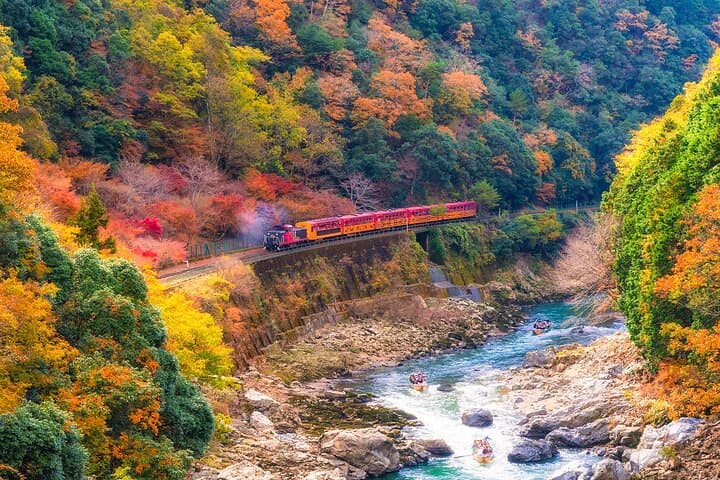
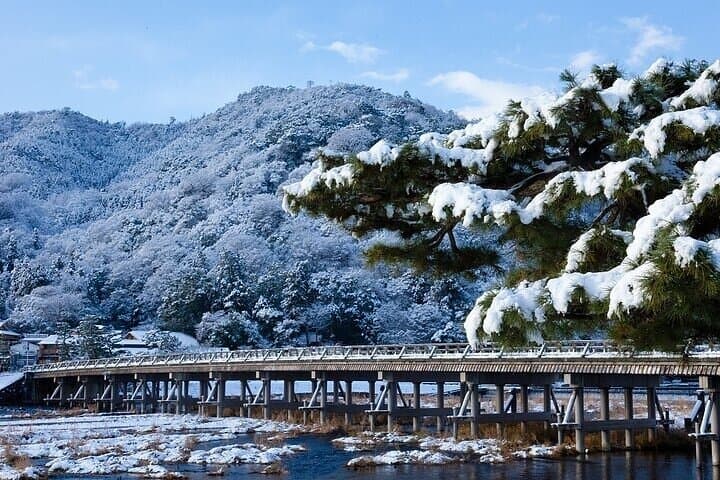
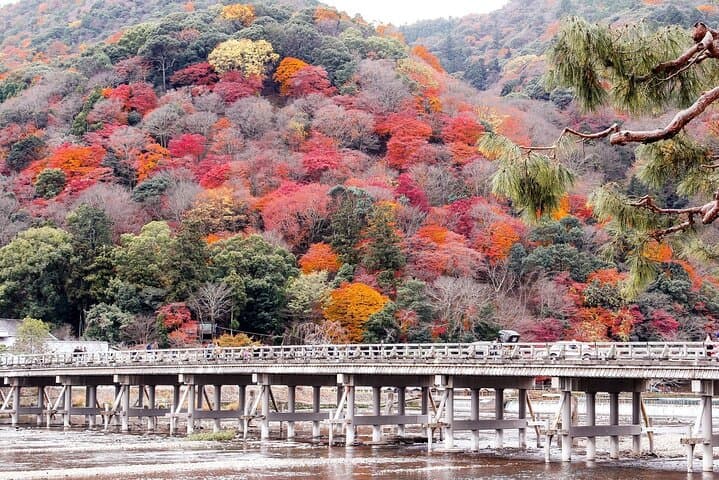
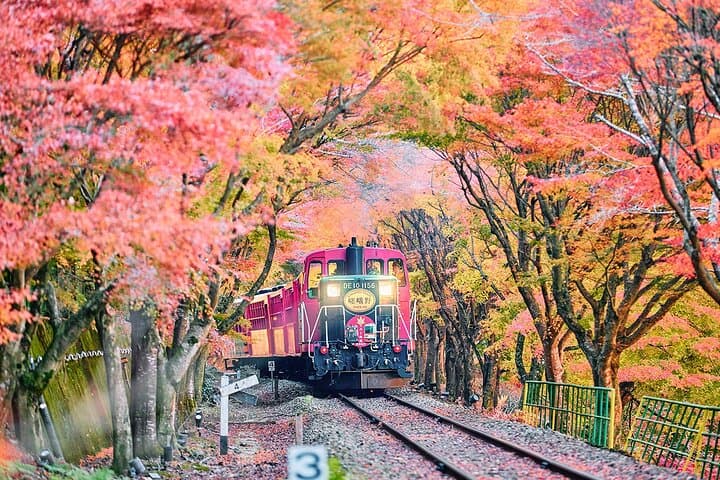
You step onto the wooden platform as the Sagano Romantic Train exhales a low whistle — an open‑air car rocks gently and the Hozugawa River appears below, daring you to look away. Cherry blossoms or maple leaves streak past depending on the season; bamboo stalks rise like green columns as the carriage threads the gorge toward Arashiyama. Later the city’s tempo slows at Kiyomizu‑dera, where a timber stage juts from the hillside and the Otowa waterfall murmurs promises of health, love and success to those who cup its streams.
You step onto the wooden platform as the Sagano Romantic Train exhales a low whistle — an open‑air car rocks gently and the Hozugawa River appears below, daring you to look away. Cherry blossoms or maple leaves streak past depending on the season; bamboo stalks rise like green columns as the carriage threads the gorge toward Arashiyama. Later the city’s tempo slows at Kiyomizu‑dera, where a timber stage juts from the hillside and the Otowa waterfall murmurs promises of health, love and success to those who cup its streams.
The train itself echoes earlier rail design, offering a retro window on the region’s fluvial geology: the Hozugawa carved the gorge through layered sediment and igneous outcrops over millennia. Kyoto’s religious and cultural layers sit atop that landscape — Kiyomizu‑dera dates back well over a thousand years and remains an active pilgrimage site. Local culture favors seasonal viewing; hanami and koyo crowds shape when the train and river feel most alive.
Practical guidance: this is a full‑day, low‑impact outing with about 7–8 hours of activity including short walks (expect cobbled streets, temple steps and roughly 1–2 km of walking between sights). Bring cash for temple admission (around 500 JPY), wear grippy shoes for wooden stages and riverfront paths, and plan arrivals early to beat peak crowds. Seats on the Sagano train are assigned; if you want open‑car views request Car 5 when booking. Respect shrine rules — no loud talk or drone use — and pack a light rain layer: Kyoto’s weather can flip quickly.