THE ADVENTURE COLLECTIVE® · Independent discovery and booking for outdoor travel

Walk Tzfat’s steep lanes between storied synagogues and vibrant artist studios on a 2–3 hour guided tour. Learn Kabbalist history, visit key holy sites, and experience the town’s creative pulse with practical tips for timing, dress, and footing.
Walk Tzfat’s steep lanes between storied synagogues and vibrant artist studios on a 2–3 hour guided tour. Learn Kabbalist history, visit key holy sites, and experience the town’s creative pulse with practical tips for timing, dress, and footing.
The cobblestones rise and fall beneath your feet as sunlight slices between narrow, whitewashed alleys — Safed (Tzfat) feels like a town that remembers every step. Begin among the concentrated silence of ancient synagogues, where carved wood and stone echo prayers and commentary from centuries past, then spill into an artists’ quarter alive with color and the scent of oil paint.
Verified experiences and guided adventures in the surrounding area.
Operated by Amichai Cohen · Safed, Northern District
The cobblestones rise and fall beneath your feet as sunlight slices between narrow, whitewashed alleys — Safed (Tzfat) feels like a town that remembers every step. Begin among the concentrated silence of ancient synagogues, where carved wood and stone echo prayers and commentary from centuries past, then spill into an artists’ quarter alive with color and the scent of oil paint.
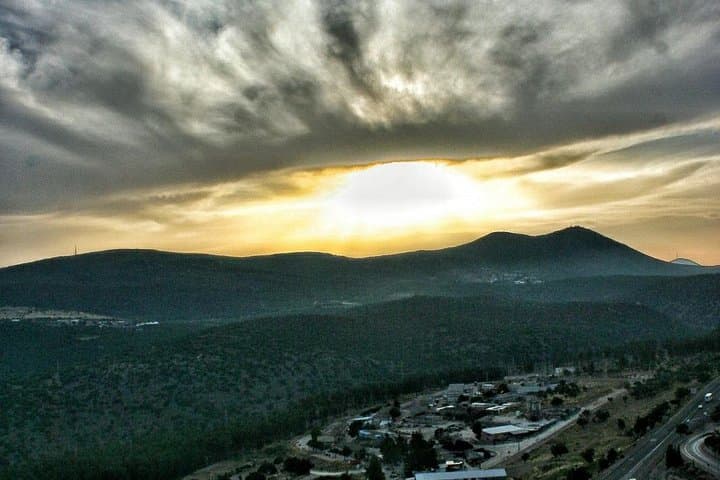
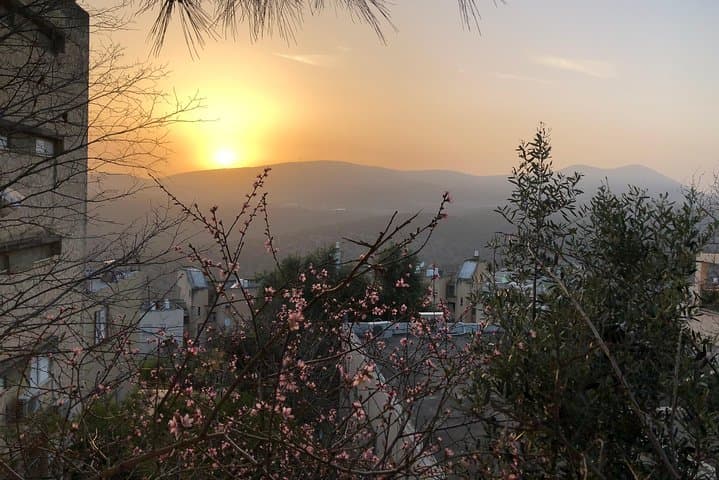
Perched on a Galilean ridge, Safed’s history stretches back two millennia: a Roman, Byzantine and Crusader past layered beneath the Ottoman-era houses and 16th-century synagogues that became centers of Kabbalah. Geologically, the town sits on limestone slopes that drop toward the Sea of Galilee; the elevation brings cooler breezes and long sightlines across the valley. Culturally, Safed is both pilgrimage site and creative hub — rabbinic courts and contemporary galleries coexist block by block.
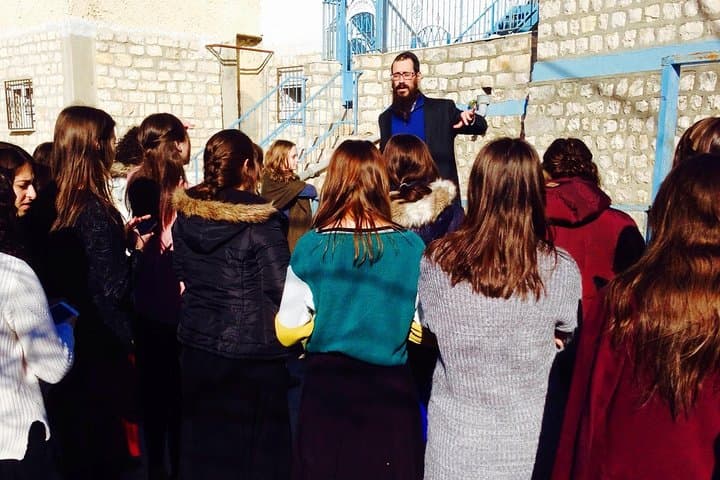
Expect a walking tour of roughly 2–3 hours that lingers at the Abuhav, AriZal and Yosef Karo synagogues, moves through the artist colony, and points out archaeological and historical markers. The pace is conversational but steady, with uneven stone steps and tight alleys.
Practical guidance: wear sturdy shoes with good grip, bring layers for hilltop winds, and pack water — there are cafés but limited public seating in the old quarter. Mornings are best for light and fewer crowds; late afternoon brings softer light but some attractions may close. Respect religious spaces: modest dress and quiet are customary. With a knowledgeable guide, Safed becomes an approachable mix of spiritual history and creative energy — a compact, walkable experience that rewards curiosity.
easy.
2–3 hours.
Moderate mobility and basic stamina for walking, stair-climbing, and short uphill sections.
The guided itinerary runs about 2.5 hours (roughly 150 minutes) and covers main synagogues and the artists’ quarter.
Infants and small children can use a stroller, but expect narrow alleys and steps; a baby carrier is often easier.
This guided tour includes admission to the listed historical synagogues as part of the itinerary.
Modest attire is recommended: shoulders and knees covered for all genders; hats and quiet behavior inside prayer spaces.
Safed became a major center of Jewish learning and Kabbalah in the 16th century, drawing scholars and craftsmen who established the synagogues still visited today.
The old city’s fragile stonework and limited waste infrastructure require low-impact behavior; support local galleries and small businesses to keep tourism sustainable.
Amichai Cohen operates guided outdoor trips and adventures with an emphasis on safety, stewardship, and memorable experiences.
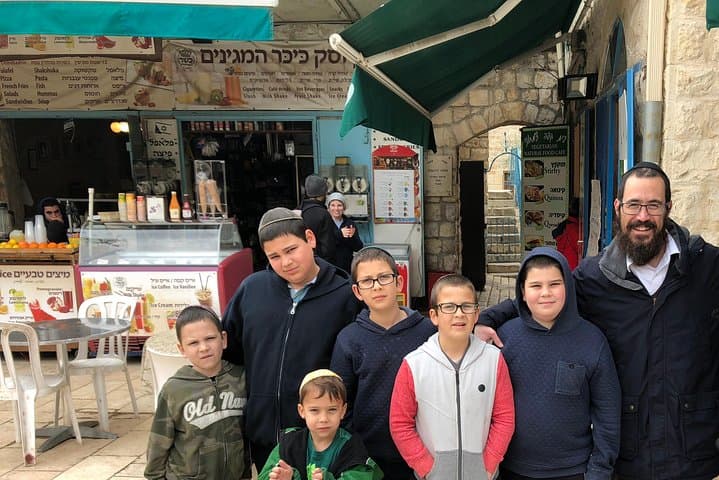
The cobblestones rise and fall beneath your feet as sunlight slices between narrow, whitewashed alleys — Safed (Tzfat) feels like a town that remembers every step. Begin among the concentrated silence of ancient synagogues, where carved wood and stone echo prayers and commentary from centuries past, then spill into an artists’ quarter alive with color and the scent of oil paint.
The cobblestones rise and fall beneath your feet as sunlight slices between narrow, whitewashed alleys — Safed (Tzfat) feels like a town that remembers every step. Begin among the concentrated silence of ancient synagogues, where carved wood and stone echo prayers and commentary from centuries past, then spill into an artists’ quarter alive with color and the scent of oil paint.
Perched on a Galilean ridge, Safed’s history stretches back two millennia: a Roman, Byzantine and Crusader past layered beneath the Ottoman-era houses and 16th-century synagogues that became centers of Kabbalah. Geologically, the town sits on limestone slopes that drop toward the Sea of Galilee; the elevation brings cooler breezes and long sightlines across the valley. Culturally, Safed is both pilgrimage site and creative hub — rabbinic courts and contemporary galleries coexist block by block.
Expect a walking tour of roughly 2–3 hours that lingers at the Abuhav, AriZal and Yosef Karo synagogues, moves through the artist colony, and points out archaeological and historical markers. The pace is conversational but steady, with uneven stone steps and tight alleys.
Practical guidance: wear sturdy shoes with good grip, bring layers for hilltop winds, and pack water — there are cafés but limited public seating in the old quarter. Mornings are best for light and fewer crowds; late afternoon brings softer light but some attractions may close. Respect religious spaces: modest dress and quiet are customary. With a knowledgeable guide, Safed becomes an approachable mix of spiritual history and creative energy — a compact, walkable experience that rewards curiosity.