THE ADVENTURE COLLECTIVE® · Independent discovery and booking for outdoor travel

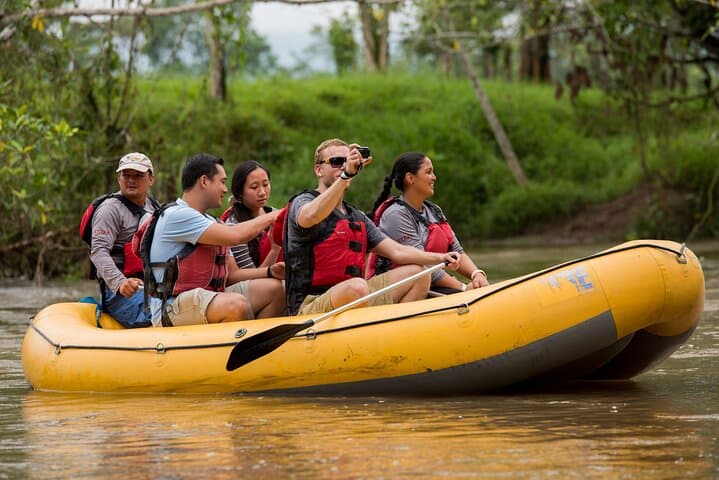
Float two hours down the Corobicí or Tenorio River through Dry Gallery Forest to spot crocodiles, monkeys and shore birds. This half-day raft trip from Playa Flamingo couples gentle class 1–2 rapids with guided wildlife viewing, snacks and lunch.
Float two hours down the Corobicí or Tenorio River through Dry Gallery Forest to spot crocodiles, monkeys and shore birds. This half-day raft trip from Playa Flamingo couples gentle class 1–2 rapids with guided wildlife viewing, snacks and lunch.
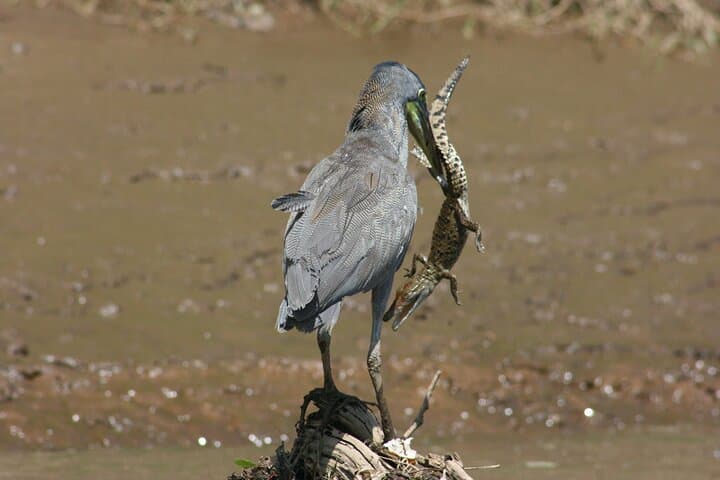
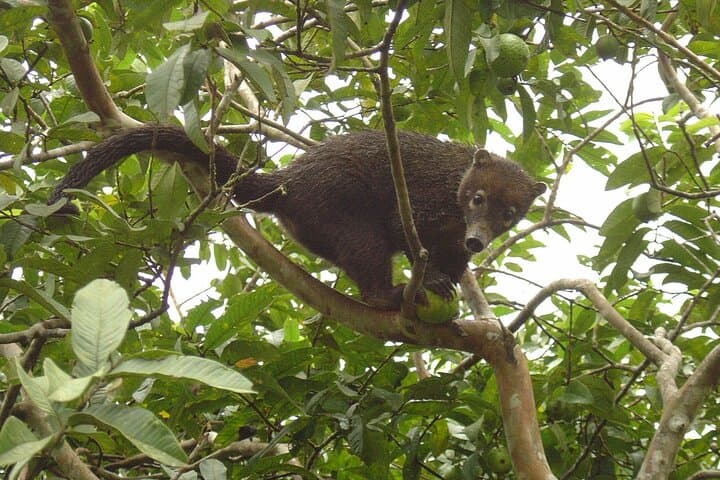
The raft eases away from the bank and the Corobicí takes over—slow, cool, and watchful. Tall kapok and fig trees lean toward the current, their roots knuckling into mud-slick shores while birds call from the canopy. For two hours the guide reads the river: a flash of tail, a sleeping shadow along the bank, a troop of monkeys leaping through shoreline branches. The goal is obvious—crocodiles—but the trip is as much about the Dry Gallery Forest that frames the waterway as it is about any single animal.
Verified experiences and guided adventures in the surrounding area.
Operated by Jacamar Naturalist Tours · Playa Flamingo, Guanacaste
The raft eases away from the bank and the Corobicí takes over—slow, cool, and watchful. Tall kapok and fig trees lean toward the current, their roots knuckling into mud-slick shores while birds call from the canopy. For two hours the guide reads the river: a flash of tail, a sleeping shadow along the bank, a troop of monkeys leaping through shoreline branches. The goal is obvious—crocodiles—but the trip is as much about the Dry Gallery Forest that frames the waterway as it is about any single animal.
Geologically the river cuts through Guanacaste’s volcanic foothills, carrying sediment that builds broad sandbars and creates calm pools punctuated by safe class 1–2 rapids. Culturally, the river corridor has long supported rural cattle ranching and small farms; today it’s a corridor for wildlife and for eco-tourism that gives visitors a close, guided look at a unique transitional ecosystem.
Expect a relaxed float with periodic gentle rapids and frequent wildlife stops. Guides point out kapok, rubber and shoreline species, explain crocodile behavior, and steer the raft for the best viewing. The tour runs about four hours door-to-door (roughly two hours on the water), includes hotel pickup, snacks and lunch, and is listed as suitable for most fitness levels. Practical notes: keep a respectful distance from wildlife, bring insect repellent and sun protection, and secure cameras with zoom lenses for the best photos. The experience balances quiet river travel with short bursts of adventure—ideal for travelers who want wildlife viewing without a strenuous hike.
easy.
3–4 hours.
Suitable for most fitness levels; being steady on your feet for boarding is helpful
The guided float is approximately two hours; the full tour including transfers and lunch lasts around four hours.
Guides maintain safe viewing distances; crocodiles are wild and should not be approached—following guide instructions keeps encounters low-risk.
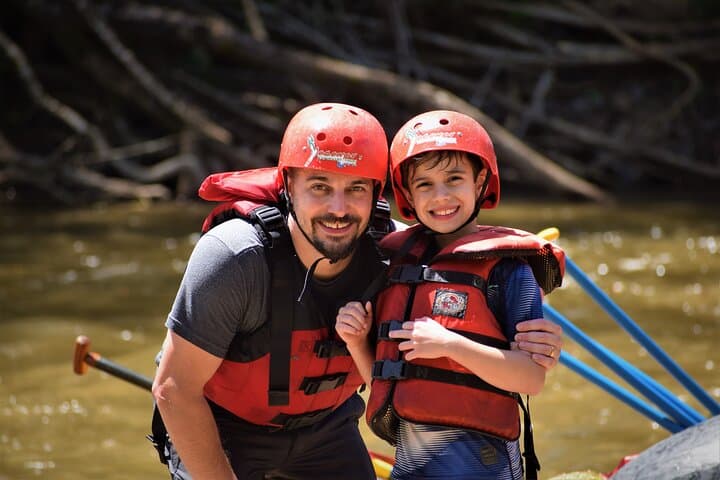
Yes—child seats are available and operators ask for children’s ages during booking to make arrangements; the activity is listed as suitable for most fitness levels.
No—swimming near crocodile habitat is not permitted; the trip focuses on observation from the raft for safety.
The Guanacaste region mixes indigenous heritage with Spanish colonial ranching; the dramatic dry forest corridor along rivers historically supported small farms and cattle ranches.
Keep a strict no‑feeding policy and stay on the raft to avoid disturbing nesting birds and crocodiles; upstream agriculture affects sediment and water quality, so supporting sustainable operators helps protect the river.
Jacamar Naturalist Tours operates guided outdoor trips and adventures with an emphasis on safety, stewardship, and memorable experiences.
The raft eases away from the bank and the Corobicí takes over—slow, cool, and watchful. Tall kapok and fig trees lean toward the current, their roots knuckling into mud-slick shores while birds call from the canopy. For two hours the guide reads the river: a flash of tail, a sleeping shadow along the bank, a troop of monkeys leaping through shoreline branches. The goal is obvious—crocodiles—but the trip is as much about the Dry Gallery Forest that frames the waterway as it is about any single animal.
The raft eases away from the bank and the Corobicí takes over—slow, cool, and watchful. Tall kapok and fig trees lean toward the current, their roots knuckling into mud-slick shores while birds call from the canopy. For two hours the guide reads the river: a flash of tail, a sleeping shadow along the bank, a troop of monkeys leaping through shoreline branches. The goal is obvious—crocodiles—but the trip is as much about the Dry Gallery Forest that frames the waterway as it is about any single animal.
Geologically the river cuts through Guanacaste’s volcanic foothills, carrying sediment that builds broad sandbars and creates calm pools punctuated by safe class 1–2 rapids. Culturally, the river corridor has long supported rural cattle ranching and small farms; today it’s a corridor for wildlife and for eco-tourism that gives visitors a close, guided look at a unique transitional ecosystem.
Expect a relaxed float with periodic gentle rapids and frequent wildlife stops. Guides point out kapok, rubber and shoreline species, explain crocodile behavior, and steer the raft for the best viewing. The tour runs about four hours door-to-door (roughly two hours on the water), includes hotel pickup, snacks and lunch, and is listed as suitable for most fitness levels. Practical notes: keep a respectful distance from wildlife, bring insect repellent and sun protection, and secure cameras with zoom lenses for the best photos. The experience balances quiet river travel with short bursts of adventure—ideal for travelers who want wildlife viewing without a strenuous hike.