THE ADVENTURE COLLECTIVE® · Independent discovery and booking for outdoor travel

Sail a traditional dhow into Zanzibar’s tropical blue lagoon for a day of snorkeling, sandbank lounging and a fresh seafood barbecue. A mix of calm lagoon swims and reef snorkeling paired with Swahili flavors makes this a must-do coastal escape.
Sail a traditional dhow into Zanzibar’s tropical blue lagoon for a day of snorkeling, sandbank lounging and a fresh seafood barbecue. A mix of calm lagoon swims and reef snorkeling paired with Swahili flavors makes this a must-do coastal escape.
You step aboard a wooden dhow as the Indian Ocean pulls the shoreline away and the harbor fades into a smear of roofs and palm fronds.
Verified experiences and guided adventures in the surrounding area.
Operated by Happy Tours & Safaris Ltd · Stone Town, Zanzibar
You step aboard a wooden dhow as the Indian Ocean pulls the shoreline away and the harbor fades into a smear of roofs and palm fronds.
Wind fills the sail and the boat cuts through turquoise water toward a scattering of coral sandbanks and low, green islets. The ocean here is impatient and playful—currents nudge you into shallow lagoons, while gulls wheel overhead and reef fish flick like coins beneath the surface.
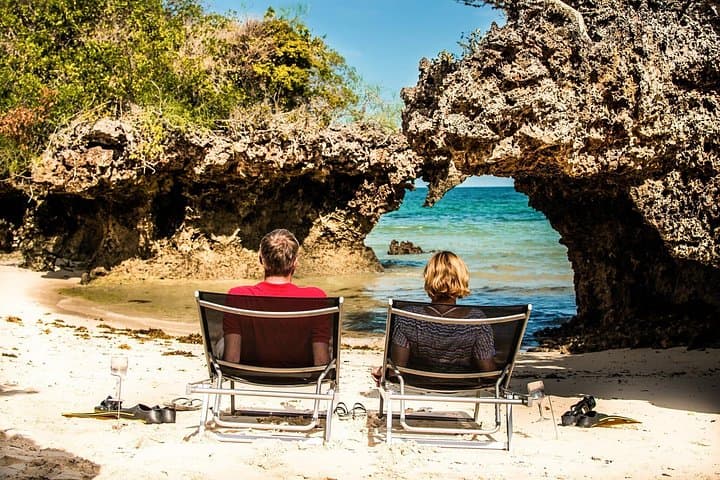
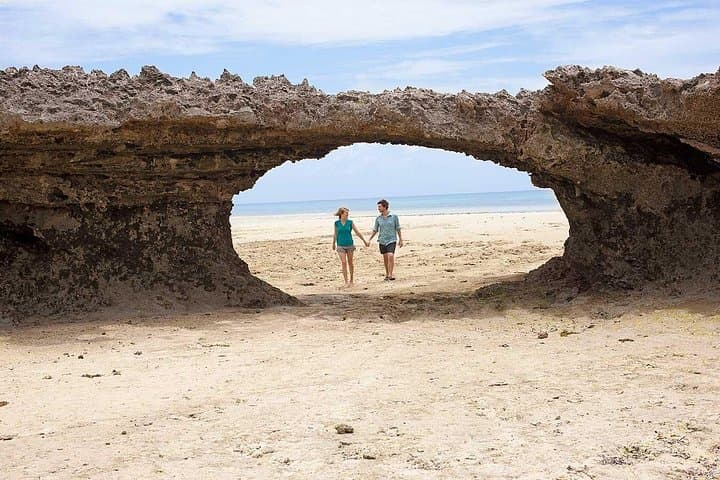
This route follows centuries of coastal trade: Swahili dhows have ferried spices and people along these coasts for generations. The islands’ geology is coral rag and clean white sand built on living reefs; baobabs and coral forests mark low-lying islets that locals have long used for fishing and picnics. Culture here blends Omani, African, and Indian influences—expect a seafood grill served with coconut-rich Swahili spices and tropical fruits.
Practically, the trip is a full-day outing (roughly nine hours) of sailing, repeated snorkel stops, and time on sandbanks. Snorkeling ranges from waist-deep lagoon swims to deeper reef pockets; guides typically brief beginners and provide masks and fins. Plan for sun, reflected heat off the sand, and brief currents—use reef-safe sunscreen, a long-sleeve UV shirt, and a reef bootie if you plan to explore tidal flats.
Timing matters: morning departures are calmer for snorkeling; late afternoon light is best for photos. Bring a dry bag, refillable water, and sea-sickness meds if you’re prone to motion. The day ends with a beachfront seafood barbecue and the quiet of resettling sails as you return to Stone Town.
easy.
9 hours.
Suitable for travelers with average fitness; comfortable swimming or basic snorkeling ability recommended for reef stops.
You don’t have to be an expert swimmer; guides provide flotation and supervision for beginners, but basic comfort in water is recommended for snorkeling.
Yes—standard masks, snorkels, and fins are typically provided; consider bringing a personal mask for fit and comfort.
The seafood barbecue includes vegetarian, vegan, and gluten-free options—notify the operator when booking to confirm choices.
Many areas are wheelchair and stroller accessible onshore, and transport is arranged, but boarding a dhow and moving on sandy islets may require assistance—notify the operator ahead of time.
Local island communities have long used dhows for trade; the Swahili coast’s culture is shaped by centuries of maritime exchange with Arabia and India.
Stick to marked reef paths, avoid touching coral, and use reef-safe products—reef health here is susceptible to trampling and sunscreen chemicals.
Happy Tours & Safaris Ltd operates guided outdoor trips and adventures with an emphasis on safety, stewardship, and memorable experiences.


You step aboard a wooden dhow as the Indian Ocean pulls the shoreline away and the harbor fades into a smear of roofs and palm fronds.
You step aboard a wooden dhow as the Indian Ocean pulls the shoreline away and the harbor fades into a smear of roofs and palm fronds.
Wind fills the sail and the boat cuts through turquoise water toward a scattering of coral sandbanks and low, green islets. The ocean here is impatient and playful—currents nudge you into shallow lagoons, while gulls wheel overhead and reef fish flick like coins beneath the surface.
This route follows centuries of coastal trade: Swahili dhows have ferried spices and people along these coasts for generations. The islands’ geology is coral rag and clean white sand built on living reefs; baobabs and coral forests mark low-lying islets that locals have long used for fishing and picnics. Culture here blends Omani, African, and Indian influences—expect a seafood grill served with coconut-rich Swahili spices and tropical fruits.
Practically, the trip is a full-day outing (roughly nine hours) of sailing, repeated snorkel stops, and time on sandbanks. Snorkeling ranges from waist-deep lagoon swims to deeper reef pockets; guides typically brief beginners and provide masks and fins. Plan for sun, reflected heat off the sand, and brief currents—use reef-safe sunscreen, a long-sleeve UV shirt, and a reef bootie if you plan to explore tidal flats.
Timing matters: morning departures are calmer for snorkeling; late afternoon light is best for photos. Bring a dry bag, refillable water, and sea-sickness meds if you’re prone to motion. The day ends with a beachfront seafood barbecue and the quiet of resettling sails as you return to Stone Town.