THE ADVENTURE COLLECTIVE® · Independent discovery and booking for outdoor travel

Spend an afternoon moving between Cusco’s colonial heart and the Inca ceremonial and military sites above the city. This guided loop highlights Sacsayhuamán’s massive stonework, Qoricancha’s sacred past, and practical tips for coping with altitude and uneven terrain.
Spend an afternoon moving between Cusco’s colonial heart and the Inca ceremonial and military sites above the city. This guided loop highlights Sacsayhuamán’s massive stonework, Qoricancha’s sacred past, and practical tips for coping with altitude and uneven terrain.
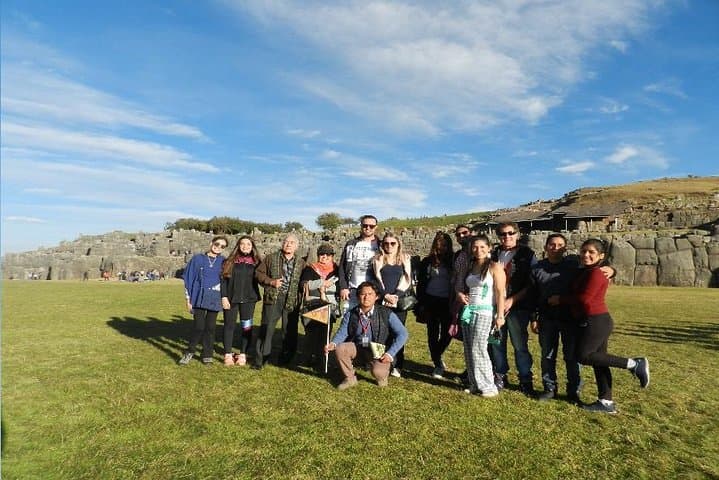
The afternoon air above Cusco is thin and bright; when the van climbs toward Sacsayhuamán the city uncoils below, red-tiled roofs and church spires puncturing high Andean light. You step from vehicle onto terraces of interlocking stone where ancient masons fitted boulders like puzzle pieces, and the wind seems to test every seam.
Verified experiences and guided adventures in the surrounding area.
Operated by Sun Paths · Cusco, Cusco
The afternoon air above Cusco is thin and bright; when the van climbs toward Sacsayhuamán the city uncoils below, red-tiled roofs and church spires puncturing high Andean light. You step from vehicle onto terraces of interlocking stone where ancient masons fitted boulders like puzzle pieces, and the wind seems to test every seam.
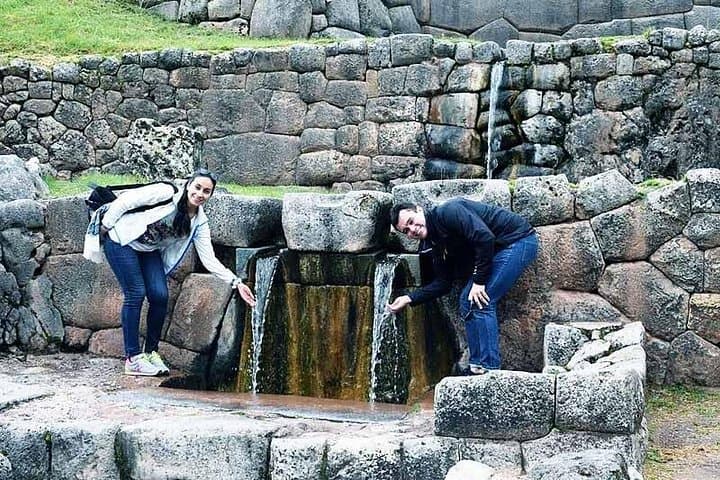
This half-day circuit pairs Cusco’s colonial core — the Cathedral and Qoricancha — with the circuit of nearby Inca sites: Sacsayhuamán, Qenqo, Puca Pucará and Tambomachay. Geologically, the walls here are built from massive diorite and andesite blocks quarried locally and hauled uphill; the elevation gain from Plaza de Armas (~3,400 m) to Sacsayhuamán (~3,700 m) is noticeable and shapes the day.
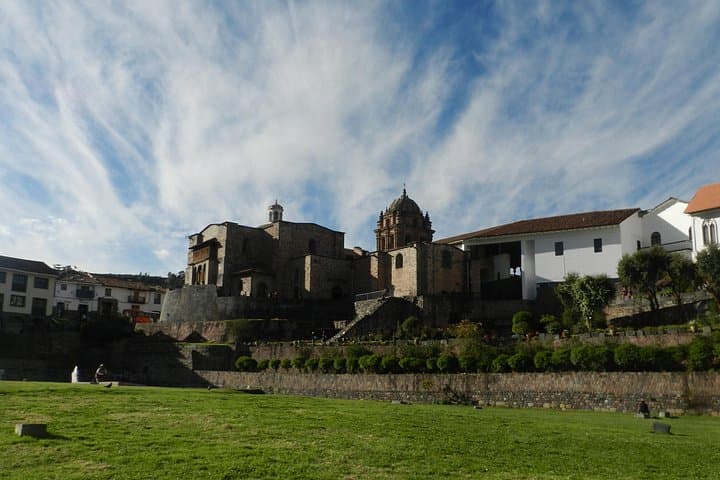
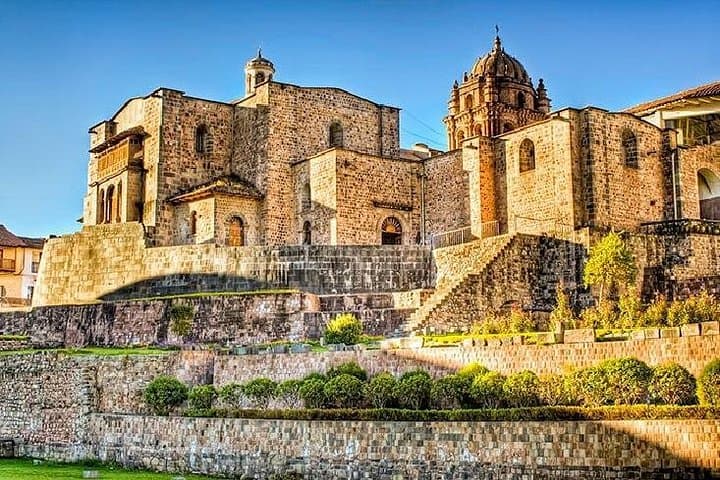
Culturally the route traces a shift from Inca cosmology to Spanish colonial power: Qoricancha’s golden past, the Cathedral’s Baroque altars, and ritual cuts in Qenqo reveal layers of religion and control.
Practically, expect 6–7 hours total with short walks at each site (paths are uneven rock, some steps). Pay local entrance fees on arrival (popular combos include the 70-sol archaeological ticket); carry ID for tickets. Hydrate early, move slowly to reduce altitude effects, wear sturdy shoes for rocky terraces, and bring sun protection — UV is strong.
Guides focus on history and archaeology, and the route finishes near Plaza de Armas, where a terrazzo of city life resumes. For travelers wanting a compact, interpretive introduction to Cusco and its surrounding Inca engineering, this afternoon loop delivers context, vistas, and hands-on geology.
moderate.
6–7 hours.
Light-to-moderate fitness; able to walk on uneven stone, handle short ascents at altitude.
Tickets are not included; archaeological circuit tickets (approx. 70 soles) and separate Cathedral/Qoricancha fees (listed locally) are paid on-site and require ID.
Pickup is from hotels in Cusco early afternoon; the tour returns near Plaza de Armas in the evening (total ~6.5 hours).
The tour is designed for all fitness levels but involves walking on uneven footing and altitude changes—consider mobility limitations and altitude sensitivity before booking.
Rest a day in Cusco, hydrate, avoid alcohol before the tour, eat light, and move slowly during climbs; carry acetazolamide only if prescribed by your doctor.
Sacsayhuamán was an Inca ceremonial and military complex; Spanish colonization later overlaid Cusco’s urban core with churches built atop Inca foundations.
High visitor numbers can stress fragile stonework—stick to paths, avoid climbing walls, and support conservation by purchasing official tickets.
Sun Paths operates guided outdoor trips and adventures with an emphasis on safety, stewardship, and memorable experiences.
The afternoon air above Cusco is thin and bright; when the van climbs toward Sacsayhuamán the city uncoils below, red-tiled roofs and church spires puncturing high Andean light. You step from vehicle onto terraces of interlocking stone where ancient masons fitted boulders like puzzle pieces, and the wind seems to test every seam.
The afternoon air above Cusco is thin and bright; when the van climbs toward Sacsayhuamán the city uncoils below, red-tiled roofs and church spires puncturing high Andean light. You step from vehicle onto terraces of interlocking stone where ancient masons fitted boulders like puzzle pieces, and the wind seems to test every seam.
This half-day circuit pairs Cusco’s colonial core — the Cathedral and Qoricancha — with the circuit of nearby Inca sites: Sacsayhuamán, Qenqo, Puca Pucará and Tambomachay. Geologically, the walls here are built from massive diorite and andesite blocks quarried locally and hauled uphill; the elevation gain from Plaza de Armas (~3,400 m) to Sacsayhuamán (~3,700 m) is noticeable and shapes the day.
Culturally the route traces a shift from Inca cosmology to Spanish colonial power: Qoricancha’s golden past, the Cathedral’s Baroque altars, and ritual cuts in Qenqo reveal layers of religion and control.
Practically, expect 6–7 hours total with short walks at each site (paths are uneven rock, some steps). Pay local entrance fees on arrival (popular combos include the 70-sol archaeological ticket); carry ID for tickets. Hydrate early, move slowly to reduce altitude effects, wear sturdy shoes for rocky terraces, and bring sun protection — UV is strong.
Guides focus on history and archaeology, and the route finishes near Plaza de Armas, where a terrazzo of city life resumes. For travelers wanting a compact, interpretive introduction to Cusco and its surrounding Inca engineering, this afternoon loop delivers context, vistas, and hands-on geology.