THE ADVENTURE COLLECTIVE® · Independent discovery and booking for outdoor travel

Spend a private day through the Sacred Valley’s cultural highlights—textile workshops in Chinchero, the agricultural bowls of Moray, the salt pans of Maras and the Inca stronghold of Ollantaytambo. This practical guide outlines what to expect, how to prepare for altitude and connections to Machu Picchu.
Spend a private day through the Sacred Valley’s cultural highlights—textile workshops in Chinchero, the agricultural bowls of Moray, the salt pans of Maras and the Inca stronghold of Ollantaytambo. This practical guide outlines what to expect, how to prepare for altitude and connections to Machu Picchu.
A thin mountain light slices the Andes as you pull away from Cusco; terraces and towns slip into a patchwork below while the river dares you to keep pace. On a private Sacred Valley day tour the landscape becomes a classroom—textile looms click in Chinchero, concentric bowls of earth at Moray reveal Inca agricultural curiosity, and salt pans at Maras sprawl like a frozen constellation under the sun.
Verified experiences and guided adventures in the surrounding area.
Operated by Viagens Machu Picchu · Ollantaytambo, Cusco Region
A thin mountain light slices the Andes as you pull away from Cusco; terraces and towns slip into a patchwork below while the river dares you to keep pace. On a private Sacred Valley day tour the landscape becomes a classroom—textile looms click in Chinchero, concentric bowls of earth at Moray reveal Inca agricultural curiosity, and salt pans at Maras sprawl like a frozen constellation under the sun.
The valley is a corridor of layered history. From pre-Inca terraces later refined by the Incas to colonial town squares, the route traces centuries of human adaptation at 2,800–3,300 m elevation. Geologically, these deep river valleys and carved terraces reflect rapid uplift and erosion of the Eastern Cordillera; culturally, the area remains alive with weaving traditions, communal salt-harvesting, and market trade.
Practically, expect a full 8–9 hour day with multiple short walks—stairs at Ollantaytambo and uneven flagstone paths in villages. Admission fees to archaeological sites are typically paid on arrival; bring soles. The tour routes between stops are by private vehicle, with lunch in Urubamba and an option to end at Ollantaytambo train station for Machu Picchu connections.
Plan for altitude: hydrate, move deliberately, and wear sturdy shoes for terraces and salt pans. Timing matters—early light softens the terraces and reduces crowds. This private itinerary balances cultural immersion with straightforward logistics, giving travelers both the sensory thrill of Andean highlands and clear steps to prepare for it.
moderate.
8–9 hours.
Moderate fitness: able to handle several short walks, stairs and periods at altitude without heavy exertion.
No—entrance to archaeological sites is usually paid on arrival in soles; your guide will advise current prices and where to buy tickets.
Yes; the tour can finish at Ollantaytambo station—share your train time when booking so the guide can arrange drop-off.
The tour is private and can accommodate families, but many sites have uneven ground and stairs; it’s not recommended for travelers with serious spinal problems.
A buffet lunch in Urubamba and bottled water are included; snacks and other drinks are not usually covered.
The Sacred Valley was a core agricultural and administrative region for the Incas; Moray’s concentric depressions likely served as experimental microclimates for crop development.
The Maras salt pans are still managed communally; visitors should stay on designated paths to avoid damaging fragile salt pools and respect local labor practices.
Viagens Machu Picchu operates guided outdoor trips and adventures with an emphasis on safety, stewardship, and memorable experiences.
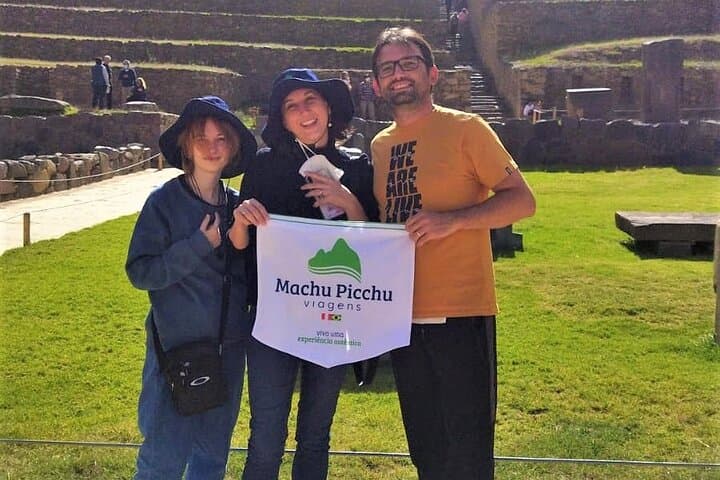
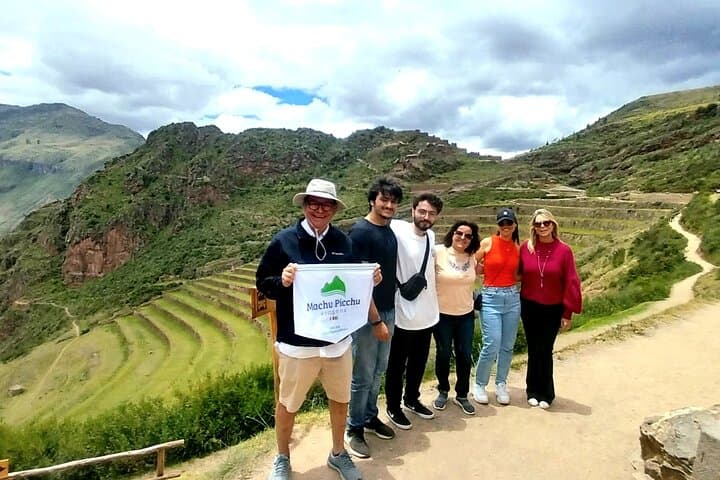
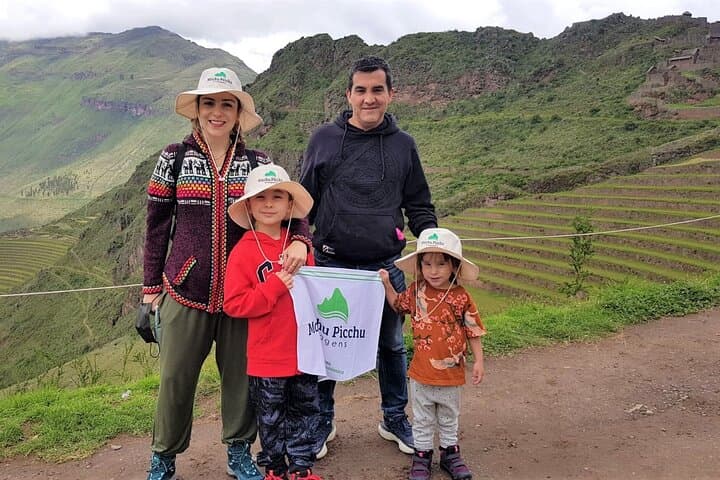
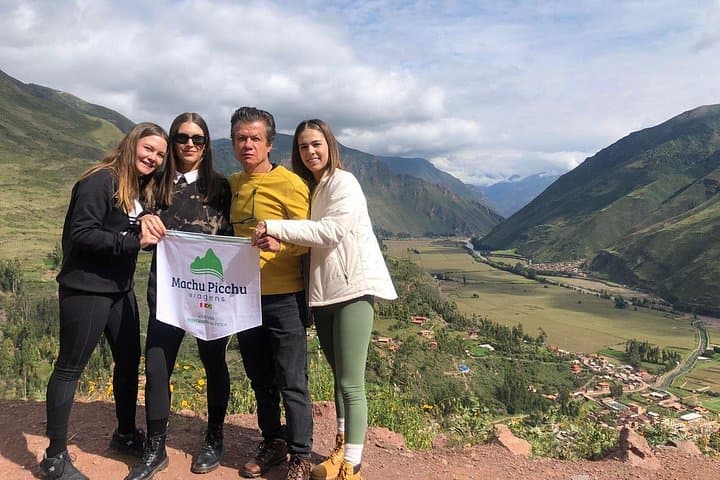
A thin mountain light slices the Andes as you pull away from Cusco; terraces and towns slip into a patchwork below while the river dares you to keep pace. On a private Sacred Valley day tour the landscape becomes a classroom—textile looms click in Chinchero, concentric bowls of earth at Moray reveal Inca agricultural curiosity, and salt pans at Maras sprawl like a frozen constellation under the sun.
A thin mountain light slices the Andes as you pull away from Cusco; terraces and towns slip into a patchwork below while the river dares you to keep pace. On a private Sacred Valley day tour the landscape becomes a classroom—textile looms click in Chinchero, concentric bowls of earth at Moray reveal Inca agricultural curiosity, and salt pans at Maras sprawl like a frozen constellation under the sun.
The valley is a corridor of layered history. From pre-Inca terraces later refined by the Incas to colonial town squares, the route traces centuries of human adaptation at 2,800–3,300 m elevation. Geologically, these deep river valleys and carved terraces reflect rapid uplift and erosion of the Eastern Cordillera; culturally, the area remains alive with weaving traditions, communal salt-harvesting, and market trade.
Practically, expect a full 8–9 hour day with multiple short walks—stairs at Ollantaytambo and uneven flagstone paths in villages. Admission fees to archaeological sites are typically paid on arrival; bring soles. The tour routes between stops are by private vehicle, with lunch in Urubamba and an option to end at Ollantaytambo train station for Machu Picchu connections.
Plan for altitude: hydrate, move deliberately, and wear sturdy shoes for terraces and salt pans. Timing matters—early light softens the terraces and reduces crowds. This private itinerary balances cultural immersion with straightforward logistics, giving travelers both the sensory thrill of Andean highlands and clear steps to prepare for it.