THE ADVENTURE COLLECTIVE® · Independent discovery and booking for outdoor travel

A compact, two-day itinerary that combines Sacred Valley archaeology with an overnight in Aguas Calientes and a guided visit to Machu Picchu. Ideal for travelers who want the Inca highlights without a multi-day trek.
A compact, two-day itinerary that combines Sacred Valley archaeology with an overnight in Aguas Calientes and a guided visit to Machu Picchu. Ideal for travelers who want the Inca highlights without a multi-day trek.
You step onto the early-morning road out of Cusco as mountain air pulls at your jacket and the Andes open in layers of stone and field.
Verified experiences and guided adventures in the surrounding area.
Operated by Go Xplore Peru · Cusco, Cusco Region
You step onto the early-morning road out of Cusco as mountain air pulls at your jacket and the Andes open in layers of stone and field.
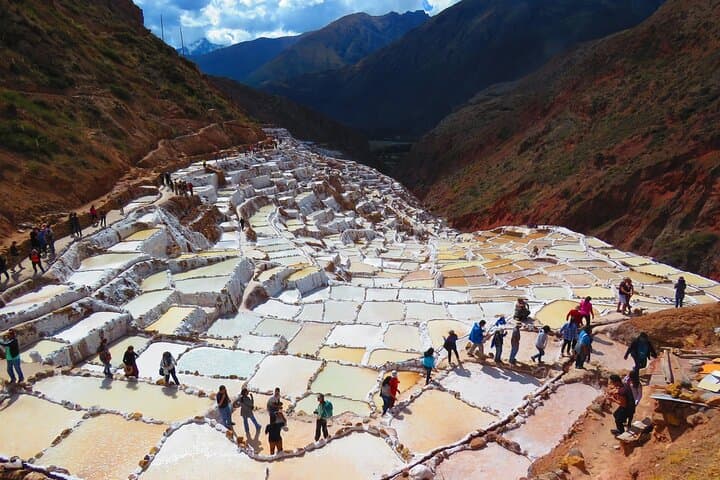
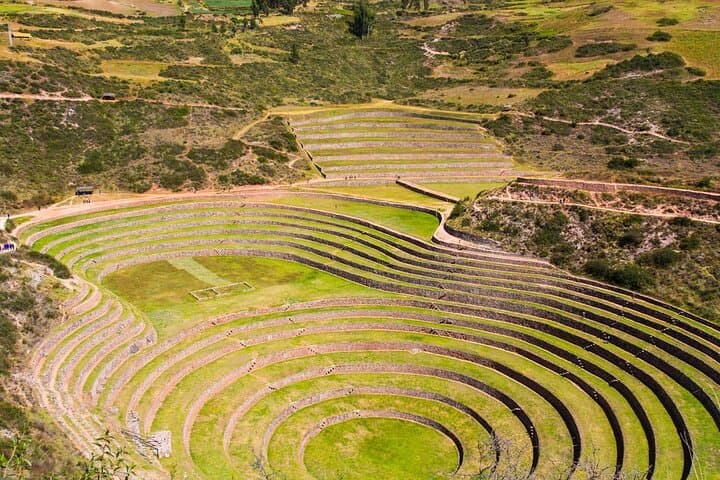
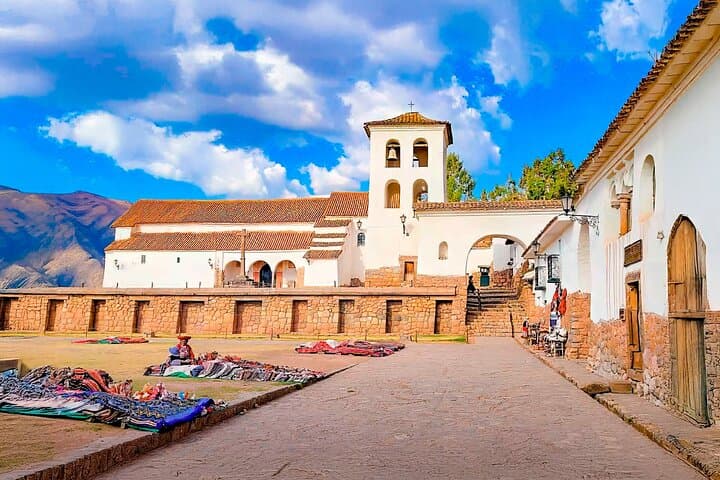
The first day moves like a living atlas: Chinchero’s textile demonstrations, the concentric agricultural circles at Moray, and the glittering terraces of Maras salt pans carved into the hillside. Each stop explains a chapter of pre-Columbian engineering—how altitude, microclimates and human invention shaped food, trade and ritual across these valleys.
Geologically, the Sacred Valley follows the Urubamba River, a corridor where glacial action and river incision have exposed steep terraces and dramatic outcrops. Culturally the route threads through Quechua-speaking communities where traditional weaving and salt-harvesting persist as living crafts.
After an afternoon at Ollantaytambo you board the PeruRail train into cloud forest, arriving in Aguas Calientes to rest before Machu Picchu.
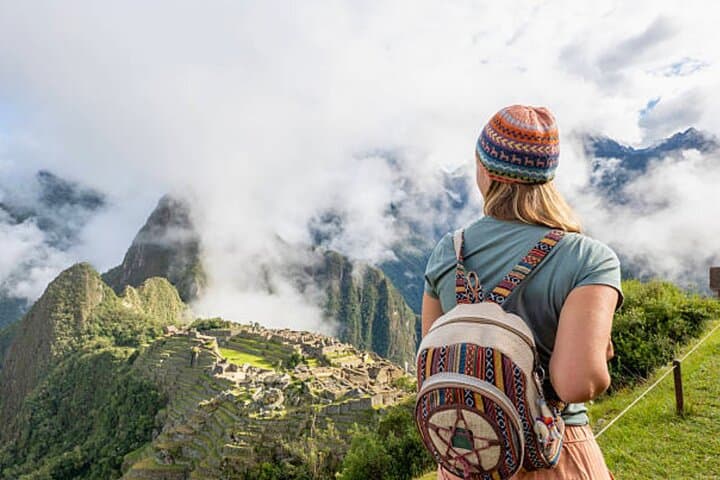
On day two, a short bus climb brings you to the citadel’s stone plazas. A certified guide points out the Temple of the Sun, agricultural terraces, and engineering features—drainage, stairways and finely cut ashlar—then you’ll have time to explore or hike to viewpoints like the Sun Gate.
Practical notes: move slowly the first day to manage altitude, carry layered clothing and sun protection, and expect uneven stone paths and steps at sites. Trains and entrance tickets are timed; bring printed or mobile tickets and a photocopy of your passport. This itinerary packs major Inca highlights into two efficient days without overnight trekking, ideal for travelers with limited time but a strong appetite for culture and mountain scenery.
moderate.
2 days.
Moderate fitness: able to walk several hours over uneven terrain and climb many stone steps at altitude.
Yes—this tour includes round-trip PeruRail train tickets, Machu Picchu entrance, bus transfers between Aguas Calientes and the citadel, and one night’s hotel in Aguas Calientes.
The itinerary is designed for a broad range of fitness levels, but expect walking on uneven ground and many stone steps; those with serious mobility issues should consider alternatives.
This basic itinerary covers the main citadel; Huayna Picchu or Machu Picchu Mountain require separate pre-booked permits and are not included by default.
Hydrate, rest on arrival in Cusco, avoid alcohol before the tour, and consider coca tea or acetazolamide if recommended by your doctor.
The Sacred Valley was a core agricultural and ceremonial region for the Inca; Moray’s circular terraces functioned as an experimental farm to cultivate crops at different microclimates, while the Maras salt pans predate the Inca.
Machu Picchu operates visitor limits and time-slot entries to reduce wear on trails; visitors should stick to marked paths, avoid single-use plastics, and respect local communities and waste rules.
Go Xplore Peru operates guided outdoor trips and adventures with an emphasis on safety, stewardship, and memorable experiences.
You step onto the early-morning road out of Cusco as mountain air pulls at your jacket and the Andes open in layers of stone and field.
You step onto the early-morning road out of Cusco as mountain air pulls at your jacket and the Andes open in layers of stone and field.
The first day moves like a living atlas: Chinchero’s textile demonstrations, the concentric agricultural circles at Moray, and the glittering terraces of Maras salt pans carved into the hillside. Each stop explains a chapter of pre-Columbian engineering—how altitude, microclimates and human invention shaped food, trade and ritual across these valleys.
Geologically, the Sacred Valley follows the Urubamba River, a corridor where glacial action and river incision have exposed steep terraces and dramatic outcrops. Culturally the route threads through Quechua-speaking communities where traditional weaving and salt-harvesting persist as living crafts.
After an afternoon at Ollantaytambo you board the PeruRail train into cloud forest, arriving in Aguas Calientes to rest before Machu Picchu.
On day two, a short bus climb brings you to the citadel’s stone plazas. A certified guide points out the Temple of the Sun, agricultural terraces, and engineering features—drainage, stairways and finely cut ashlar—then you’ll have time to explore or hike to viewpoints like the Sun Gate.
Practical notes: move slowly the first day to manage altitude, carry layered clothing and sun protection, and expect uneven stone paths and steps at sites. Trains and entrance tickets are timed; bring printed or mobile tickets and a photocopy of your passport. This itinerary packs major Inca highlights into two efficient days without overnight trekking, ideal for travelers with limited time but a strong appetite for culture and mountain scenery.