THE ADVENTURE COLLECTIVE® · Independent discovery and booking for outdoor travel

A compact, expertly guided 2-day route linking Cusco, the Sacred Valley and Machu Picchu by train. Expect alpaca farms, Pisac market, Ollantaytambo’s terraces and a guided visit to Machu Picchu with practical tips for altitude, timing and gear.
A compact, expertly guided 2-day route linking Cusco, the Sacred Valley and Machu Picchu by train. Expect alpaca farms, Pisac market, Ollantaytambo’s terraces and a guided visit to Machu Picchu with practical tips for altitude, timing and gear.
Morning light slices across the high Andes as the van peels away from Cusco’s Plaza de Armas and the Sacred Valley opens like a map of terraces and rivers. You pass alpaca paddocks, the Taray viewpoint and the stone teeth of Pisac before the train hugs the Urubamba River—its current daring you downstream toward Aguas Calientes and the cloud-wrapped ridge that holds Machu Picchu.
Verified experiences and guided adventures in the surrounding area.
Operated by Elvis Adventures Peru · Aguas Calientes (Machupicchu Pueblo), Cusco Region
Morning light slices across the high Andes as the van peels away from Cusco’s Plaza de Armas and the Sacred Valley opens like a map of terraces and rivers. You pass alpaca paddocks, the Taray viewpoint and the stone teeth of Pisac before the train hugs the Urubamba River—its current daring you downstream toward Aguas Calientes and the cloud-wrapped ridge that holds Machu Picchu.
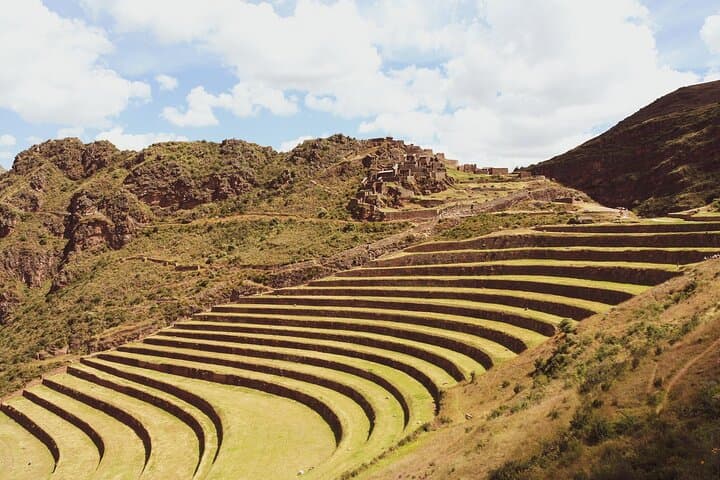
This short journey threads together Inca history, Andean culture and glacial geology: steep, quarried terraces that speak to millennia of agricultural engineering; granite and metamorphic ridges carved by ancient glaciers and modern rivers; and Quechua markets where woven patterns still tell family stories. Stops at an alpaca farm and Pisac market add living context—textiles, fiber traditions and local flavors that anchor the ruins in daily life.
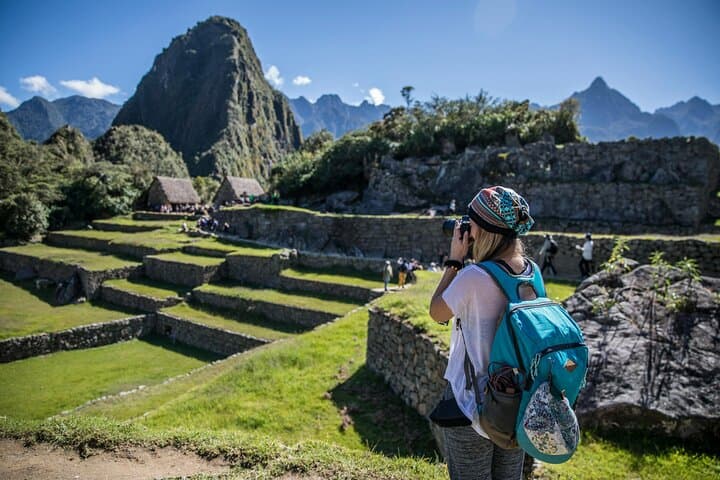
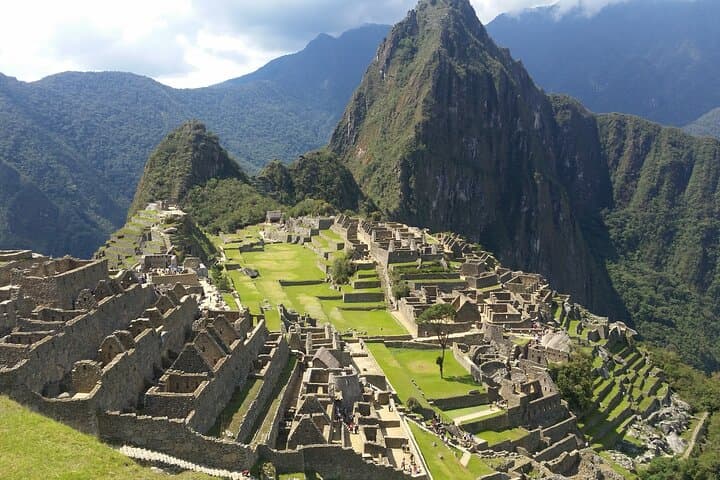
On Day 2 a guided walk through Machu Picchu illuminates its plazas, water channels and ceremonial terraces. Expect steep stone steps, narrow corridors and panoramic viewpoints that reward short, steady climbs.
Practical edge: acclimatize in Cusco for 24–48 hours, carry cash for markets and tips, and book the earliest train/bus to avoid crowds. Pack a lightweight waterproof layer and sturdy shoes with good traction—paths are uneven and weather can shift quickly. Bring sunscreen, water and patience: the site is popular and controlled-entry windows govern flow. With clear planning this compact two-day loop delivers maximum archaeological and cultural payoff with minimal logistics, letting the landscape do the heavy lifting.
moderate.
2 days.
Light to moderate fitness: comfortable walking on uneven stone steps and short uphill sections; must handle standing and stairs at altitude.
Yes—this tour includes the Machu Picchu citadel entrance ticket and a guided visit during your scheduled entry window.
Yes—Cusco and the Sacred Valley sit at high elevation; allow 24–48 hours to acclimatize and stay hydrated to reduce symptoms.
Walking involves uneven stone steps and short uphill sections; tours move at a steady pace but can be adapted for slower walkers.
Expedition/Vistadome services allow moderate-sized carry-on bags; larger suitcases must be transported separately—confirm limits when booking.
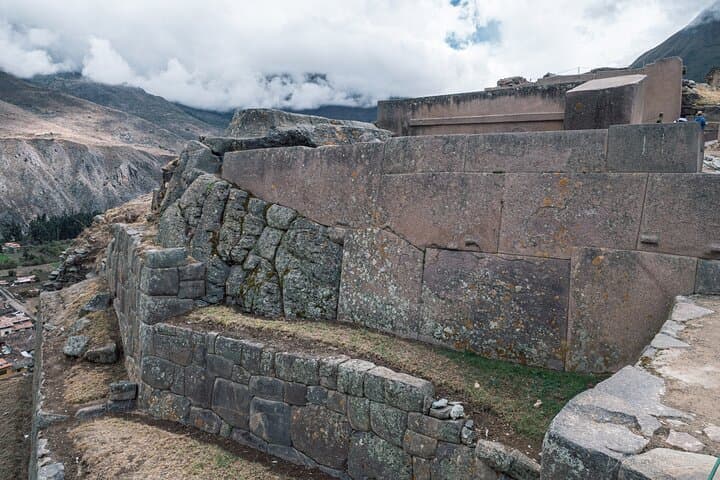
Machu Picchu was built in the 15th century using precisely cut stone; the Sacred Valley was the agricultural heartland that supported Cusco, the Inca capital.
High visitor numbers are managed with timed entry and restricted trails; stick to paths, avoid single-use plastics and support local guides and artisans to keep tourism sustainable.
Elvis Adventures Peru operates guided outdoor trips and adventures with an emphasis on safety, stewardship, and memorable experiences.
Morning light slices across the high Andes as the van peels away from Cusco’s Plaza de Armas and the Sacred Valley opens like a map of terraces and rivers. You pass alpaca paddocks, the Taray viewpoint and the stone teeth of Pisac before the train hugs the Urubamba River—its current daring you downstream toward Aguas Calientes and the cloud-wrapped ridge that holds Machu Picchu.
Morning light slices across the high Andes as the van peels away from Cusco’s Plaza de Armas and the Sacred Valley opens like a map of terraces and rivers. You pass alpaca paddocks, the Taray viewpoint and the stone teeth of Pisac before the train hugs the Urubamba River—its current daring you downstream toward Aguas Calientes and the cloud-wrapped ridge that holds Machu Picchu.
This short journey threads together Inca history, Andean culture and glacial geology: steep, quarried terraces that speak to millennia of agricultural engineering; granite and metamorphic ridges carved by ancient glaciers and modern rivers; and Quechua markets where woven patterns still tell family stories. Stops at an alpaca farm and Pisac market add living context—textiles, fiber traditions and local flavors that anchor the ruins in daily life.
On Day 2 a guided walk through Machu Picchu illuminates its plazas, water channels and ceremonial terraces. Expect steep stone steps, narrow corridors and panoramic viewpoints that reward short, steady climbs.
Practical edge: acclimatize in Cusco for 24–48 hours, carry cash for markets and tips, and book the earliest train/bus to avoid crowds. Pack a lightweight waterproof layer and sturdy shoes with good traction—paths are uneven and weather can shift quickly. Bring sunscreen, water and patience: the site is popular and controlled-entry windows govern flow. With clear planning this compact two-day loop delivers maximum archaeological and cultural payoff with minimal logistics, letting the landscape do the heavy lifting.