THE ADVENTURE COLLECTIVE® · Independent discovery and booking for outdoor travel

Ride the Sacred Valley’s rails into the shadow of Machu Picchu on a compact 2-day tour from Cusco. Visit Chinchero, Moray, Maras and Ollantaytambo, spend a night in Aguas Calientes, then witness sunrise over the citadel with a local guide.
Ride the Sacred Valley’s rails into the shadow of Machu Picchu on a compact 2-day tour from Cusco. Visit Chinchero, Moray, Maras and Ollantaytambo, spend a night in Aguas Calientes, then witness sunrise over the citadel with a local guide.
You step onto the train as the Andes peel back—fields, terraced slopes and the Urubamba River daring you to look away. By the time you reach Aguas Calientes the air has changed; the mountains close ranks and the citadel above waits like a quiet keeper of stories.
Verified experiences and guided adventures in the surrounding area.
Operated by Cosmo Expeditions · Aguas Calientes (Machu Picchu Pueblo), Cusco
You step onto the train as the Andes peel back—fields, terraced slopes and the Urubamba River daring you to look away. By the time you reach Aguas Calientes the air has changed; the mountains close ranks and the citadel above waits like a quiet keeper of stories.
This two-day itinerary threads history and geology together: Inca engineers carved microclimates at Moray’s concentric terraces and funneled spring water into salt pans at Maras. Ollantaytambo’s fortress stones tell of tactical defenses against the Spanish, while Chinchero keeps living textile traditions alive—dyes, looms and alpacas remain central to local culture. The train ride from Ollantaytambo to Aguas Calientes is 1 hour 45 minutes of steep-sided valleys and river corridors shaped by tectonics and glaciers.
Practically, the tour is designed for travelers who want maximum access with minimal logistics—hotel pick-up in Cusco, a 3-star night in Aguas Calientes, and guided visits to major sites. Machu Picchu sits at roughly 2,430 m (Cusco is ~3,400 m), so brief acclimatization in Cusco is wise. Expect guided walks of one to three hours on uneven, often steep stone stairways; bring solid footwear, water and sun protection. Entry tickets and round-trip train and bus are included; Huayna Picchu requires a separate permit.
Best times are dry-season mornings for clearer views; afternoons can cloud in. Travel light, carry layers for rapid temperature shifts, and plan photos during the golden hour after dawn. With modest fitness and respect for fragile archaeological zones, this route delivers both the high drama of the citadel and the grounded rhythms of Andean life.
moderate.
2 days (approx. 48 hours).
Moderate fitness: able to walk for several hours on uneven terrain and negotiate stone steps at altitude.
Yes, the tour includes a Machu Picchu entrance ticket based on circuit availability; special hikes like Huayna Picchu require separate permits.
The train journey is approximately 1 hour 45 minutes through mountainous terrain and river valleys.
Yes—Cusco sits around 3,400 m and Machu Picchu ~2,430 m; hydrate, rest before the tour, and consult a doctor about prophylactic medication if you have concerns.
Guided circuits involve 1–3 hours of walking on uneven stone surfaces and stairs; some optional uphill sections are steeper and more strenuous.
Machu Picchu was constructed in the mid-15th century under Inca rule and the Sacred Valley served as an agricultural and ceremonial heartland using engineered terraces and irrigation.
Visitor numbers and timed tickets limit impact; stick to marked paths, avoid touching stonework, and carry out all trash to protect fragile high-Andean ecosystems.
Cosmo Expeditions operates guided outdoor trips and adventures with an emphasis on safety, stewardship, and memorable experiences.
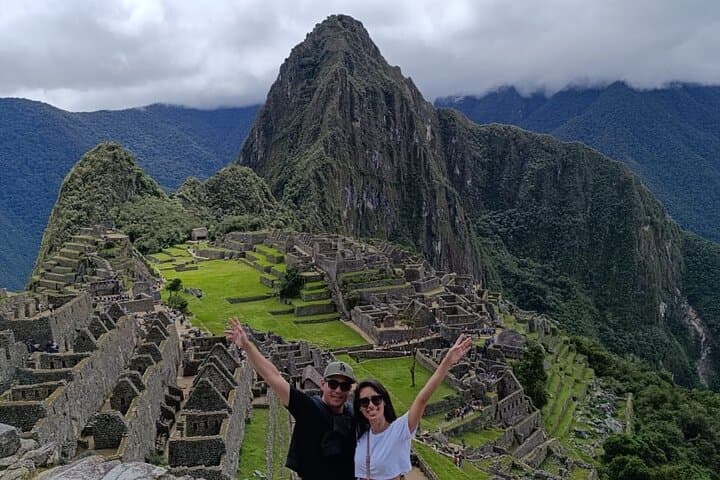
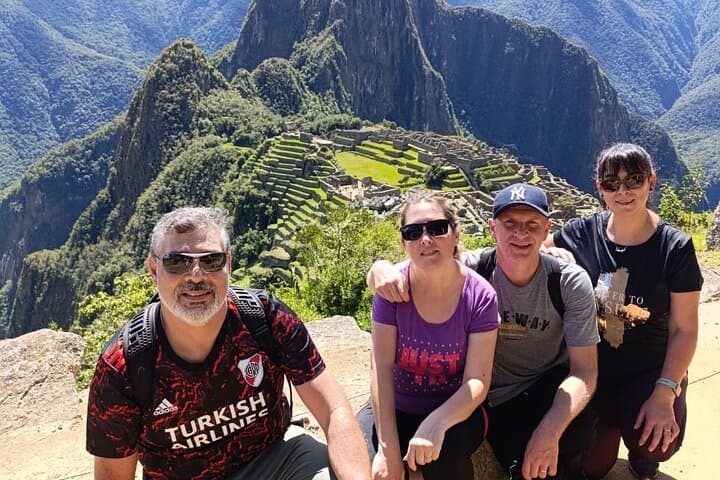
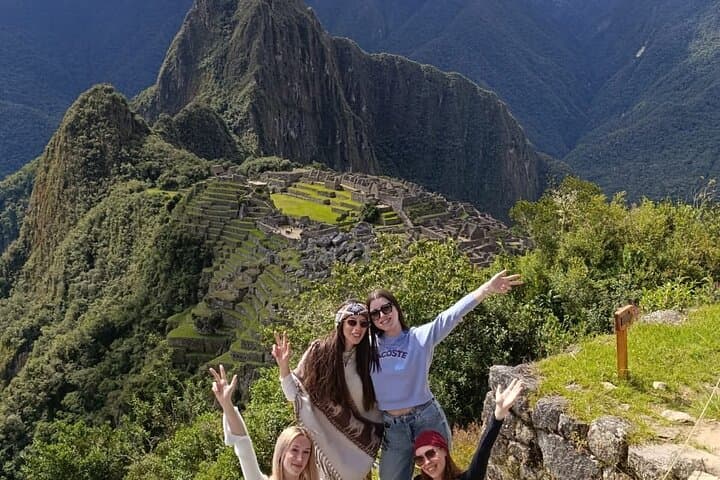
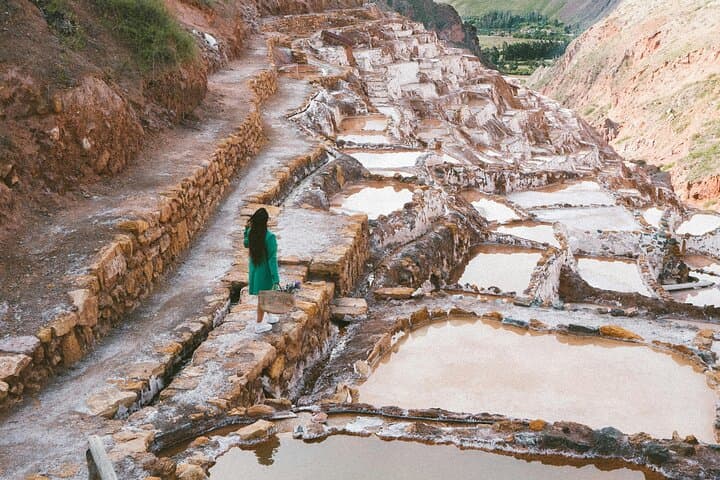
You step onto the train as the Andes peel back—fields, terraced slopes and the Urubamba River daring you to look away. By the time you reach Aguas Calientes the air has changed; the mountains close ranks and the citadel above waits like a quiet keeper of stories.
You step onto the train as the Andes peel back—fields, terraced slopes and the Urubamba River daring you to look away. By the time you reach Aguas Calientes the air has changed; the mountains close ranks and the citadel above waits like a quiet keeper of stories.
This two-day itinerary threads history and geology together: Inca engineers carved microclimates at Moray’s concentric terraces and funneled spring water into salt pans at Maras. Ollantaytambo’s fortress stones tell of tactical defenses against the Spanish, while Chinchero keeps living textile traditions alive—dyes, looms and alpacas remain central to local culture. The train ride from Ollantaytambo to Aguas Calientes is 1 hour 45 minutes of steep-sided valleys and river corridors shaped by tectonics and glaciers.
Practically, the tour is designed for travelers who want maximum access with minimal logistics—hotel pick-up in Cusco, a 3-star night in Aguas Calientes, and guided visits to major sites. Machu Picchu sits at roughly 2,430 m (Cusco is ~3,400 m), so brief acclimatization in Cusco is wise. Expect guided walks of one to three hours on uneven, often steep stone stairways; bring solid footwear, water and sun protection. Entry tickets and round-trip train and bus are included; Huayna Picchu requires a separate permit.
Best times are dry-season mornings for clearer views; afternoons can cloud in. Travel light, carry layers for rapid temperature shifts, and plan photos during the golden hour after dawn. With modest fitness and respect for fragile archaeological zones, this route delivers both the high drama of the citadel and the grounded rhythms of Andean life.