THE ADVENTURE COLLECTIVE® · Independent discovery and booking for outdoor travel

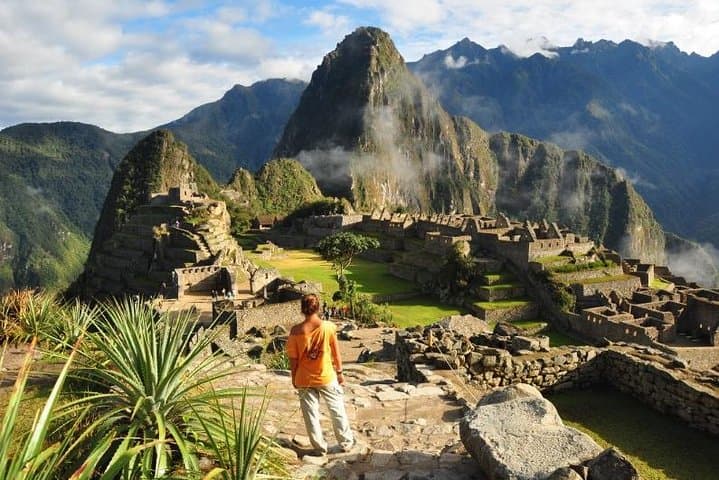
Two days that pair the Sacred Valley’s Inca sites with a scenic train ride to Machu Picchu. Perfect for travelers who want guided highlights and free time to explore the ancient city on their own.
Two days that pair the Sacred Valley’s Inca sites with a scenic train ride to Machu Picchu. Perfect for travelers who want guided highlights and free time to explore the ancient city on their own.
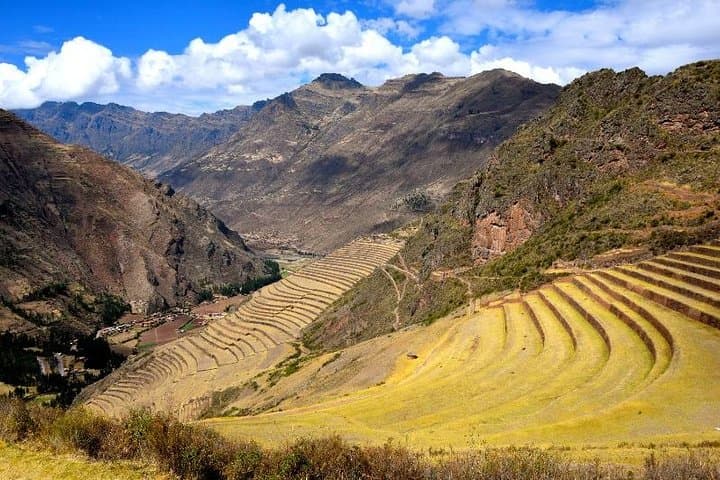
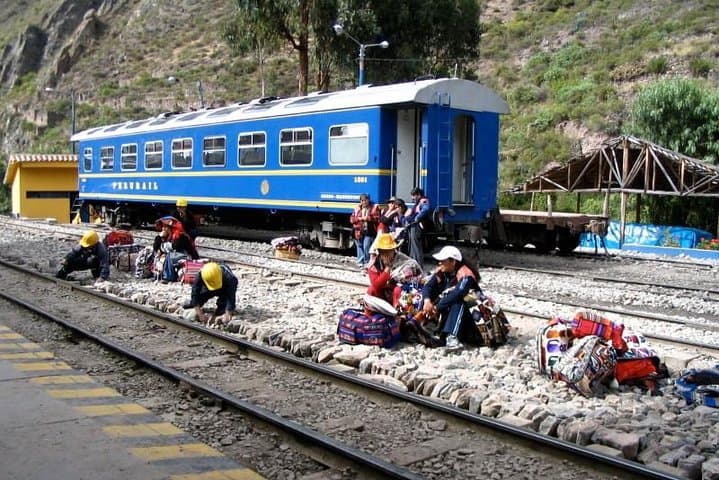
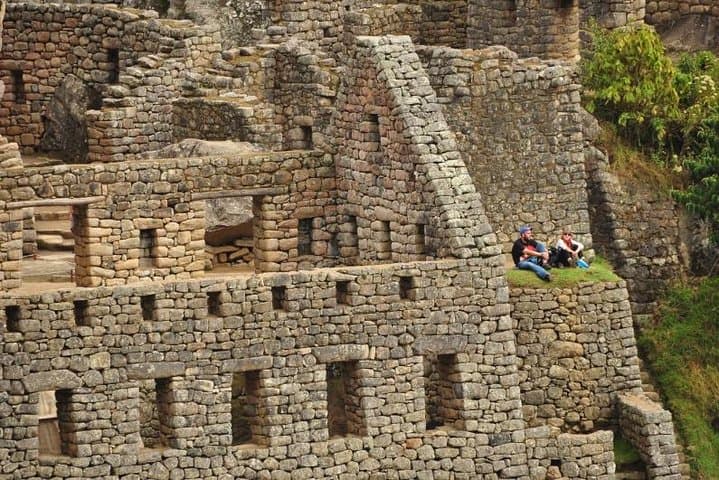
The train eases out of Ollantaytambo as sunlight slides along terraced slopes and the Urubamba River cuts a bright seam through the valley. By the time the mountain air sharpens, you’re wandering the stepped platforms of Pisac and the stone stairways of Ollantaytambo — ruins that still feel lived in — before boarding the tourist train that will deposit you in Aguas Calientes at dusk.
Verified experiences and guided adventures in the surrounding area.
Operated by Bamba Travel · Aguas Calientes (Machu Picchu Pueblo), Cusco
The train eases out of Ollantaytambo as sunlight slides along terraced slopes and the Urubamba River cuts a bright seam through the valley. By the time the mountain air sharpens, you’re wandering the stepped platforms of Pisac and the stone stairways of Ollantaytambo — ruins that still feel lived in — before boarding the tourist train that will deposit you in Aguas Calientes at dusk.
This two-day itinerary threads together Inca engineering and Andean geology: high river valleys carved by glaciers, agricultural terraces shaped to microclimates, and archaeological pulses that date to the 15th century. Local markets around Pisac offer handwoven textiles and coca-leaf customs that speak to Quechua traditions that persist alongside modern tourism. The train ride itself traces a canyon route used for centuries as a north–south corridor, now repurposed into one of Peru’s most scenic rail journeys.
Practicalities matter here. Expect early starts, mandatory passport details for site permits, and a mandatory pre-departure briefing in Cusco the night before. Machu Picchu’s guided visit is scheduled for the morning to avoid crowds; optional hikes like Huayna Picchu require separate advance tickets and add steep, sometimes muddy scrambling. Weather can flip quickly — pack layers and a rain shell and carry cash for market purchases and snacks in Aguas Calientes. If altitude affects you, spend a day in Cusco acclimatizing before departure.
The experience balances history, short walking explorations, and relaxed transfers: van to the Sacred Valley, short walks on-site, a scenic two-hour train to Aguas Calientes, and the bus up to Machu Picchu for a guided 2-hour tour followed by free time to explore on your own.
moderate.
2 days.
Suitable for travelers who can manage several hours of walking on uneven stone paths and stairways; basic fitness and mobility required for site exploration.
The tour is advertised as suitable for all fitness levels, but participants should be able to walk on uneven terrain and handle stairs; families with very young children or mobility concerns should check specific site access rules.
Mobile or paper tickets are accepted; you will receive most tickets at the pre-departure briefing—carry your passport for entry verification.
No—Huayna Picchu requires a separate permit and time slot that must be purchased in advance, typically at least two weeks before travel.
The included guided tour is approximately two hours, after which you’ll have free time to explore the site independently or take optional short hikes.
Machu Picchu and the Sacred Valley were central to Inca agricultural experimentation and administration in the 15th century; many terraces and stone works were engineered for steep, high-altitude farming.
Visitor limits and timed entry at Machu Picchu help protect fragile archaeological features—stay on marked paths, avoid feeding wildlife, and minimize waste by using refillable bottles.
Bamba Travel operates guided outdoor trips and adventures with an emphasis on safety, stewardship, and memorable experiences.
The train eases out of Ollantaytambo as sunlight slides along terraced slopes and the Urubamba River cuts a bright seam through the valley. By the time the mountain air sharpens, you’re wandering the stepped platforms of Pisac and the stone stairways of Ollantaytambo — ruins that still feel lived in — before boarding the tourist train that will deposit you in Aguas Calientes at dusk.
The train eases out of Ollantaytambo as sunlight slides along terraced slopes and the Urubamba River cuts a bright seam through the valley. By the time the mountain air sharpens, you’re wandering the stepped platforms of Pisac and the stone stairways of Ollantaytambo — ruins that still feel lived in — before boarding the tourist train that will deposit you in Aguas Calientes at dusk.
This two-day itinerary threads together Inca engineering and Andean geology: high river valleys carved by glaciers, agricultural terraces shaped to microclimates, and archaeological pulses that date to the 15th century. Local markets around Pisac offer handwoven textiles and coca-leaf customs that speak to Quechua traditions that persist alongside modern tourism. The train ride itself traces a canyon route used for centuries as a north–south corridor, now repurposed into one of Peru’s most scenic rail journeys.
Practicalities matter here. Expect early starts, mandatory passport details for site permits, and a mandatory pre-departure briefing in Cusco the night before. Machu Picchu’s guided visit is scheduled for the morning to avoid crowds; optional hikes like Huayna Picchu require separate advance tickets and add steep, sometimes muddy scrambling. Weather can flip quickly — pack layers and a rain shell and carry cash for market purchases and snacks in Aguas Calientes. If altitude affects you, spend a day in Cusco acclimatizing before departure.
The experience balances history, short walking explorations, and relaxed transfers: van to the Sacred Valley, short walks on-site, a scenic two-hour train to Aguas Calientes, and the bus up to Machu Picchu for a guided 2-hour tour followed by free time to explore on your own.