THE ADVENTURE COLLECTIVE® · Independent discovery and booking for outdoor travel

Two days of private transport, train travel and guided walks take you from the highland markets of the Sacred Valley to the terraces and shrines of Machu Picchu. Expect cultural stops, altitude considerations, and a timed visit to the citadel.
Two days of private transport, train travel and guided walks take you from the highland markets of the Sacred Valley to the terraces and shrines of Machu Picchu. Expect cultural stops, altitude considerations, and a timed visit to the citadel.
Early light slices through the Urubamba Valley as a private van eases past terraces that lean into the hills like stacked gardens. On day one the road threads through Pisac’s market stalls—bright textiles, the warm smell of baked empanadas—and winds up to the stone streets of Ollantaytambo, where Inca walls still hold the town’s living rhythms.
Verified experiences and guided adventures in the surrounding area.
Operated by VIPAC Travel · Aguas Calientes (Machu Picchu Pueblo), Cusco Region
Early light slices through the Urubamba Valley as a private van eases past terraces that lean into the hills like stacked gardens. On day one the road threads through Pisac’s market stalls—bright textiles, the warm smell of baked empanadas—and winds up to the stone streets of Ollantaytambo, where Inca walls still hold the town’s living rhythms.
The second day moves by train through a canyon that the Urubamba River carves, its current daring the rails to cling to the slope. At Machu Picchu the citadel sits above the canyon, terraces and stonework folded into steep jungle; the site’s geometry and the mountain’s geology—granite thrust into cloud forest—explain why the Incas chose this perch. Hiram Bingham’s 1911 expedition brought the site international attention, but local Quechua communities have lived in the valley for centuries and preserve textile and agricultural practices you’ll see in Pisac and Urubamba.
Practical guidance: allow time to acclimatize in Cusco (3,400 m) before departure; walking at Machu Picchu involves uneven stone steps and up to four hours inside the citadel. Bring a small daypack, layered clothing for quick weather shifts, and your passport—full legal names and passport numbers are required to issue entrance tickets.
Expect guided context on Inca irrigation and terrace agriculture, short uphill sections at altitude, and strict visitor circuits designed to protect the ruins. The rhythm of the trip alternates gentle cultural stops with focused, on-foot exploration of a world-class archaeological site.
moderate.
2 days.
Moderate fitness recommended; be comfortable walking on uneven ground and climbing stone steps at altitude.
Yes—this tour includes Machu Picchu admission and the train ticket; full passenger details are required to issue tickets.
Visitors are typically allowed up to four hours inside the citadel on this itinerary, following assigned circuits to manage flows.
This tour covers the main citadel only; summit climbs require separate, limited tickets and are not included by default.
Lunches are included both days; restroom facilities are available at stations and designated areas but can be basic at some sites.
Machu Picchu was brought to international prominence by Hiram Bingham in 1911, but the Sacred Valley has been a continuous agricultural and cultural heartland for Quechua communities since Inca times.
Visitor circuits and timed entry limit impact on fragile stonework; follow marked paths, avoid touching masonry, and use refillable water containers to reduce waste.
VIPAC Travel operates guided outdoor trips and adventures with an emphasis on safety, stewardship, and memorable experiences.


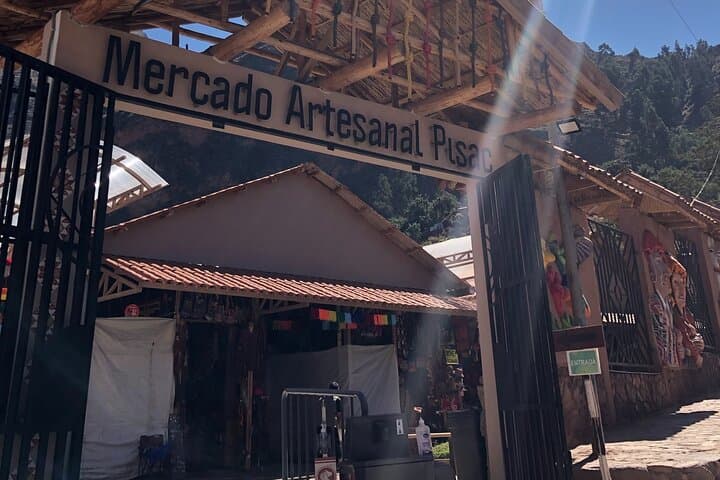
Early light slices through the Urubamba Valley as a private van eases past terraces that lean into the hills like stacked gardens. On day one the road threads through Pisac’s market stalls—bright textiles, the warm smell of baked empanadas—and winds up to the stone streets of Ollantaytambo, where Inca walls still hold the town’s living rhythms.
Early light slices through the Urubamba Valley as a private van eases past terraces that lean into the hills like stacked gardens. On day one the road threads through Pisac’s market stalls—bright textiles, the warm smell of baked empanadas—and winds up to the stone streets of Ollantaytambo, where Inca walls still hold the town’s living rhythms.
The second day moves by train through a canyon that the Urubamba River carves, its current daring the rails to cling to the slope. At Machu Picchu the citadel sits above the canyon, terraces and stonework folded into steep jungle; the site’s geometry and the mountain’s geology—granite thrust into cloud forest—explain why the Incas chose this perch. Hiram Bingham’s 1911 expedition brought the site international attention, but local Quechua communities have lived in the valley for centuries and preserve textile and agricultural practices you’ll see in Pisac and Urubamba.
Practical guidance: allow time to acclimatize in Cusco (3,400 m) before departure; walking at Machu Picchu involves uneven stone steps and up to four hours inside the citadel. Bring a small daypack, layered clothing for quick weather shifts, and your passport—full legal names and passport numbers are required to issue entrance tickets.
Expect guided context on Inca irrigation and terrace agriculture, short uphill sections at altitude, and strict visitor circuits designed to protect the ruins. The rhythm of the trip alternates gentle cultural stops with focused, on-foot exploration of a world-class archaeological site.