THE ADVENTURE COLLECTIVE® · Independent discovery and booking for outdoor travel

Descend from Cusco into the Sacred Valley, explore Moray and the Maras salt pans, then ride the scenic train to Aguas Calientes for an early guided visit to Machu Picchu. This two-day tour blends Inca engineering, Andean culture, and hands-on access to the citadel.
Descend from Cusco into the Sacred Valley, explore Moray and the Maras salt pans, then ride the scenic train to Aguas Calientes for an early guided visit to Machu Picchu. This two-day tour blends Inca engineering, Andean culture, and hands-on access to the citadel.
The day begins in thin, blue air above Cusco and moves downhill into a valley carved by the Urubamba River, bright with terraced fields and salt pans. Travelers meet their guide at a hotel in Cusco before visiting Chinchero’s textile looms, Moray’s concentric agricultural terraces, and the honeycomb of Maras salt pans; each stop is a layer of Inca ingenuity set against serrated Andean ridges.
Verified experiences and guided adventures in the surrounding area.
Operated by Peruvian Cusco Travel Tour · Aguas Calientes, Cusco
The day begins in thin, blue air above Cusco and moves downhill into a valley carved by the Urubamba River, bright with terraced fields and salt pans. Travelers meet their guide at a hotel in Cusco before visiting Chinchero’s textile looms, Moray’s concentric agricultural terraces, and the honeycomb of Maras salt pans; each stop is a layer of Inca ingenuity set against serrated Andean ridges.
Geologically the Sacred Valley follows a river incision through volcanic and metamorphic rock, creating steep valley walls and perched terraces that concentrate solar warming for crops. Culturally the route threads living Quechua communities, market squares at Pisac and the stone-strong fortress at Ollantaytambo where Inca masonry still braces the hillside.
The second day shifts to the steam and metal of the Andean train from Ollantaytambo to Aguas Calientes (roughly 1.5–2 hours), then a 25-minute shuttle up a hairpin road that climbs about 400 m to Machu Picchu (site elevation ~2,430 m). Expect 2–5 km of walking on uneven stone stairways and packed dirt paths inside the citadel; stair climbs can be steep but short.
Practical guide: hydrate well and plan for altitude change—Cusco sits near 3,400 m—so descend and climb feel different. Wear sturdy shoes with good grip for wet stone, bring layered clothing and a compact rain shell; mornings are best for light and fewer clouds. Book train and entrance tickets in advance and allow time for market browsing and acclimatization to make the two-day itinerary both efficient and rewarding.
moderate.
2 days (two full-day excursions).
Participants should be comfortable walking 3–6 miles in a day, climbing uneven stone steps and short steep sections; moderate cardiovascular fitness recommended
This tour includes entrance fees to the listed sites and Machu Picchu as stated in the inclusions.
Expect roughly 1.5–2 hours of scenic rail travel, depending on service and schedule.
Cusco is about 3,400 m; many travelers feel mild symptoms—rest, hydrate, and take it easy the first day; medication or extra acclimatization days can help.
No strenuous hiking is required—most travelers take the train to Aguas Calientes and a short bus up to Machu Picchu, but internal walking at the site is moderately demanding.
Machu Picchu was built in the 15th century under Inca patronage and served agricultural, religious and administrative roles; the Sacred Valley was an Inca breadbasket due to its microclimates.
Heavy visitor numbers strain trails and archaeological features—stick to marked paths, avoid touching masonry, and use refillable water to reduce plastic waste.
Peruvian Cusco Travel Tour operates guided outdoor trips and adventures with an emphasis on safety, stewardship, and memorable experiences.
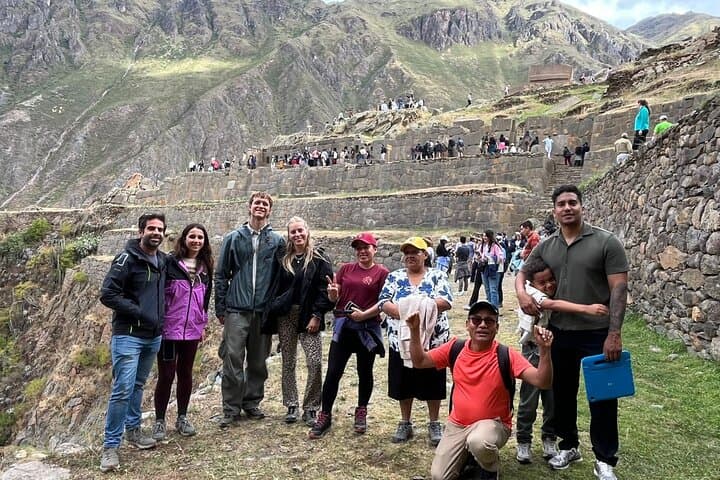
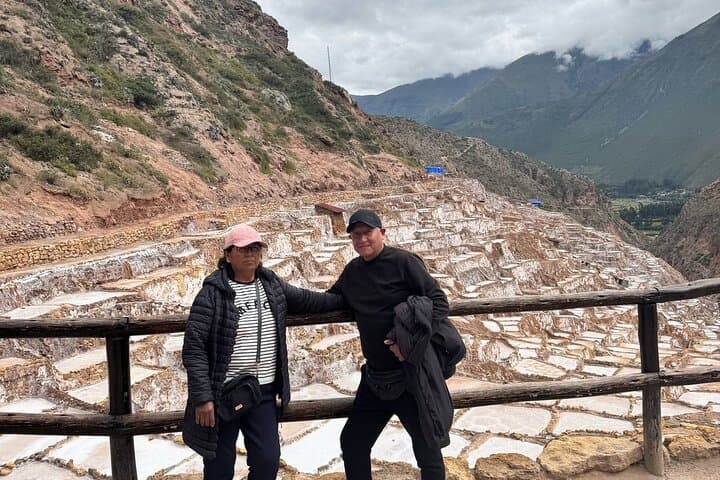
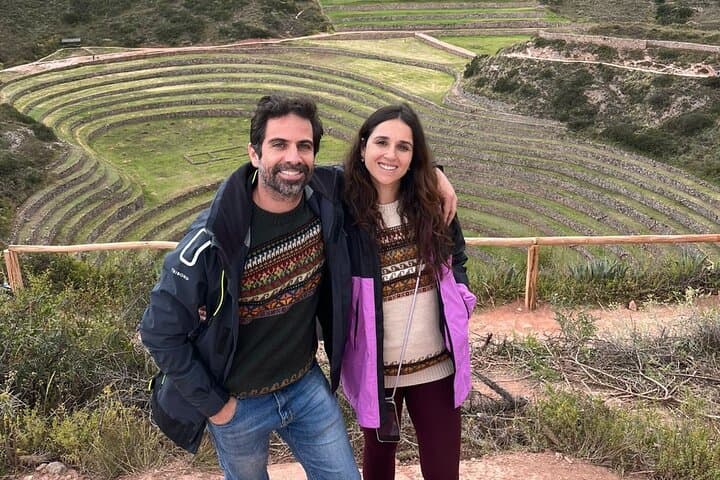
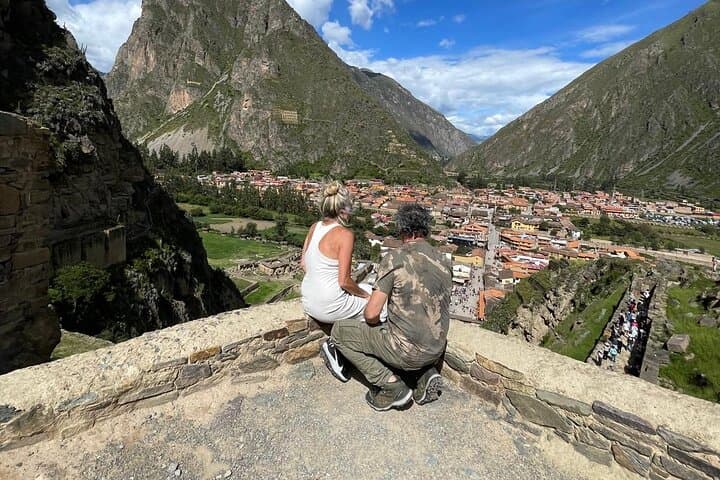
The day begins in thin, blue air above Cusco and moves downhill into a valley carved by the Urubamba River, bright with terraced fields and salt pans. Travelers meet their guide at a hotel in Cusco before visiting Chinchero’s textile looms, Moray’s concentric agricultural terraces, and the honeycomb of Maras salt pans; each stop is a layer of Inca ingenuity set against serrated Andean ridges.
The day begins in thin, blue air above Cusco and moves downhill into a valley carved by the Urubamba River, bright with terraced fields and salt pans. Travelers meet their guide at a hotel in Cusco before visiting Chinchero’s textile looms, Moray’s concentric agricultural terraces, and the honeycomb of Maras salt pans; each stop is a layer of Inca ingenuity set against serrated Andean ridges.
Geologically the Sacred Valley follows a river incision through volcanic and metamorphic rock, creating steep valley walls and perched terraces that concentrate solar warming for crops. Culturally the route threads living Quechua communities, market squares at Pisac and the stone-strong fortress at Ollantaytambo where Inca masonry still braces the hillside.
The second day shifts to the steam and metal of the Andean train from Ollantaytambo to Aguas Calientes (roughly 1.5–2 hours), then a 25-minute shuttle up a hairpin road that climbs about 400 m to Machu Picchu (site elevation ~2,430 m). Expect 2–5 km of walking on uneven stone stairways and packed dirt paths inside the citadel; stair climbs can be steep but short.
Practical guide: hydrate well and plan for altitude change—Cusco sits near 3,400 m—so descend and climb feel different. Wear sturdy shoes with good grip for wet stone, bring layered clothing and a compact rain shell; mornings are best for light and fewer clouds. Book train and entrance tickets in advance and allow time for market browsing and acclimatization to make the two-day itinerary both efficient and rewarding.