THE ADVENTURE COLLECTIVE® · Independent discovery and booking for outdoor travel

Combine Sacred Valley’s Inca sites and artisan villages with a guided visit to Machu Picchu on a compact 2-day tour. Expect terraces, stone ramps, a cloud-forest train ride, and practical logistics around tickets and altitude.
Combine Sacred Valley’s Inca sites and artisan villages with a guided visit to Machu Picchu on a compact 2-day tour. Expect terraces, stone ramps, a cloud-forest train ride, and practical logistics around tickets and altitude.
A cool morning air cuts across the high valley as your minivan climbs out of Cusco, terraces and stone walls sliding past like pages of a living history book.
Verified experiences and guided adventures in the surrounding area.
Operated by Alpaca Expeditions · Cusco, Cusco Region
A cool morning air cuts across the high valley as your minivan climbs out of Cusco, terraces and stone walls sliding past like pages of a living history book.
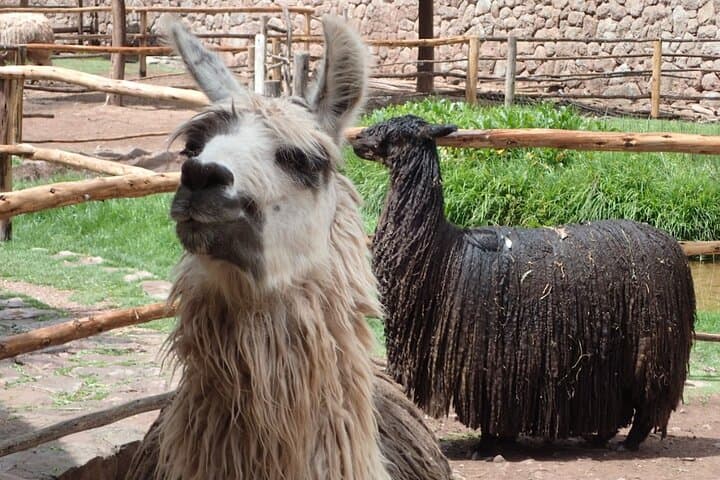
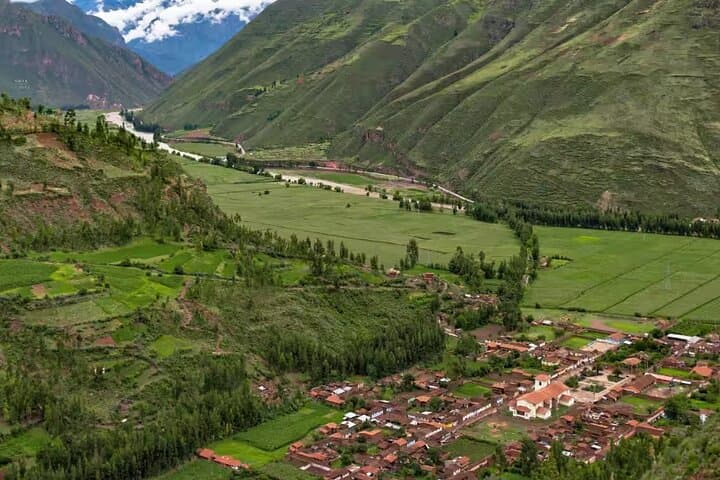
Day one moves at the pace of the land: an alpaca farm demonstration, a lookout over the Sacred Valley, and the switchback approach to Pisaq’s cliffside ruins. Ollantaytambo’s massive stone terraces and the Temple of the Sun show the Inca command of masonry and water control. You sleep in Aguas Calientes, tucked at the foot of the cloud forest, and rise early for the 25-minute bus ascent to Machu Picchu.
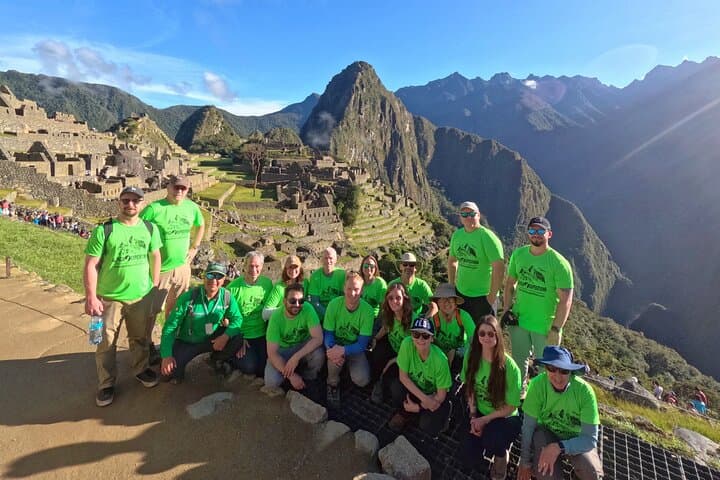
Machu Picchu sits where granite ridges and persistent cloud meet, an engineered citadel that once linked agriculture, religion, and trade routes across the Andes. Geologically the site is carved from uplifted igneous rock and shaped by steep river valleys; culturally it remains central to Andean identity, and nearby salt pans and agricultural terraces tell complementary stories of local ingenuity.
Practical guidance: expect lots of stairs and uneven stone; the guided circuit at Machu Picchu runs about two hours with optional extra climbs (Huayna Picchu requires separate tickets). Train travel is fixed-class and punctual—carry printed or mobile tickets. Altitude can affect energy levels; hydrate, avoid heavy meals before high exertion, and allow time in Cusco to acclimatize if possible. Bring a waterproof layer for sudden cloud-forest showers, comfortable boots for steps, and small cash for markets. Timed entry and crowded windows make early starts worth it—sunrise light changes the site dramatically and lightens the pathways for photography and quieter exploration.
moderate.
2 days.
Suitable for travelers who can handle multiple hours of walking on stairs and uneven terrain; basic cardiovascular fitness recommended.
The typical guided circuit lasts about two hours; additional hikes like Huayna Picchu or Machu Picchu Mountain require separate tickets and extra time.
Yes—Cusco is high (3,400 m). Acclimatize with rest, hydrate, and avoid heavy exertion on arrival; mild symptoms are common but serious cases are rare with precautions.
This 2D/1N tour includes lunch and dinner on day one and breakfast at the hotel on day two, plus a 3-star hotel in Aguas Calientes as noted in the itinerary.
Infant seats are available and the tour is listed as suitable for all fitness levels, but a minimum of two people per booking is required—check operator age restrictions before booking.
The Sacred Valley was a strategic agricultural and ceremonial corridor for the Inca; sites like Ollantaytambo functioned as both fortress and living town with continuous local habitation.
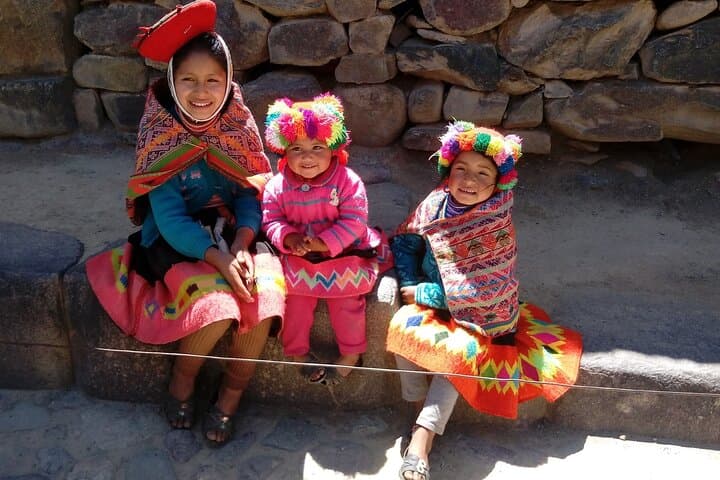
Machu Picchu has visitor limits and prescribed routes to reduce erosion; support local conservation by staying on trails, using licensed guides, and buying textiles directly from community artisans.
Alpaca Expeditions operates guided outdoor trips and adventures with an emphasis on safety, stewardship, and memorable experiences.
A cool morning air cuts across the high valley as your minivan climbs out of Cusco, terraces and stone walls sliding past like pages of a living history book.
A cool morning air cuts across the high valley as your minivan climbs out of Cusco, terraces and stone walls sliding past like pages of a living history book.
Day one moves at the pace of the land: an alpaca farm demonstration, a lookout over the Sacred Valley, and the switchback approach to Pisaq’s cliffside ruins. Ollantaytambo’s massive stone terraces and the Temple of the Sun show the Inca command of masonry and water control. You sleep in Aguas Calientes, tucked at the foot of the cloud forest, and rise early for the 25-minute bus ascent to Machu Picchu.
Machu Picchu sits where granite ridges and persistent cloud meet, an engineered citadel that once linked agriculture, religion, and trade routes across the Andes. Geologically the site is carved from uplifted igneous rock and shaped by steep river valleys; culturally it remains central to Andean identity, and nearby salt pans and agricultural terraces tell complementary stories of local ingenuity.
Practical guidance: expect lots of stairs and uneven stone; the guided circuit at Machu Picchu runs about two hours with optional extra climbs (Huayna Picchu requires separate tickets). Train travel is fixed-class and punctual—carry printed or mobile tickets. Altitude can affect energy levels; hydrate, avoid heavy meals before high exertion, and allow time in Cusco to acclimatize if possible. Bring a waterproof layer for sudden cloud-forest showers, comfortable boots for steps, and small cash for markets. Timed entry and crowded windows make early starts worth it—sunrise light changes the site dramatically and lightens the pathways for photography and quieter exploration.