THE ADVENTURE COLLECTIVE® · Independent discovery and booking for outdoor travel

Spend a private day through the Sacred Valley visiting Chinchero’s weavers, the concentric terraces of Moray, the salt pans at Maras, and the living Inca town of Ollantaytambo — then finish at the train station bound for Aguas Calientes. This 7–8 hour transfer blends transport with archaeological stops and local culture.
Spend a private day through the Sacred Valley visiting Chinchero’s weavers, the concentric terraces of Moray, the salt pans at Maras, and the living Inca town of Ollantaytambo — then finish at the train station bound for Aguas Calientes. This 7–8 hour transfer blends transport with archaeological stops and local culture.
Before the sun fully warms the Urubamba Valley you’re already on the road — a private taxi threading high Andean light between hamlets, terraces and salt pans. The air is thin, the stone walls lean with centuries of repair, and the first stop in Chinchero places you beside a small colonial church perched on an Inca foundation where weavers turn alpaca into pattern and history.
Verified experiences and guided adventures in the surrounding area.
Operated by Taxi Express Cusco · Ollantaytambo, Cusco
Before the sun fully warms the Urubamba Valley you’re already on the road — a private taxi threading high Andean light between hamlets, terraces and salt pans. The air is thin, the stone walls lean with centuries of repair, and the first stop in Chinchero places you beside a small colonial church perched on an Inca foundation where weavers turn alpaca into pattern and history.
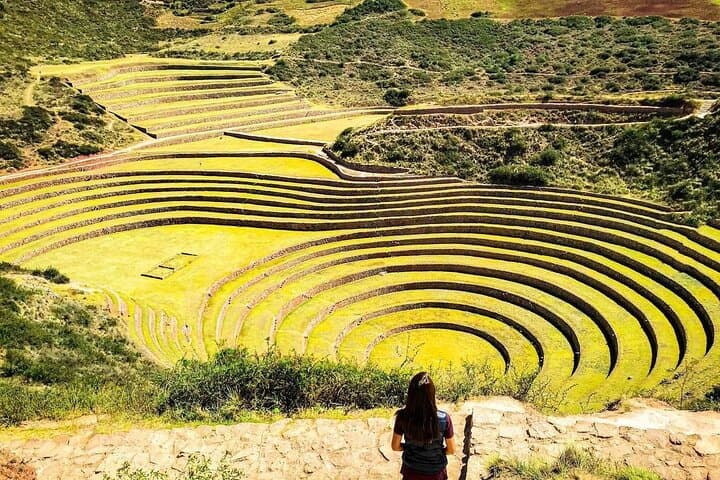
A short drive carries you to Moray, the concentric agricultural depressions that read like an ancient experiment in microclimates: rings cut into the earth where the Inca trialed potato varieties. The geology here is compacted volcanic sediment shaped by uplift and erosion; terraces hold soil and sun with ruthless efficiency.
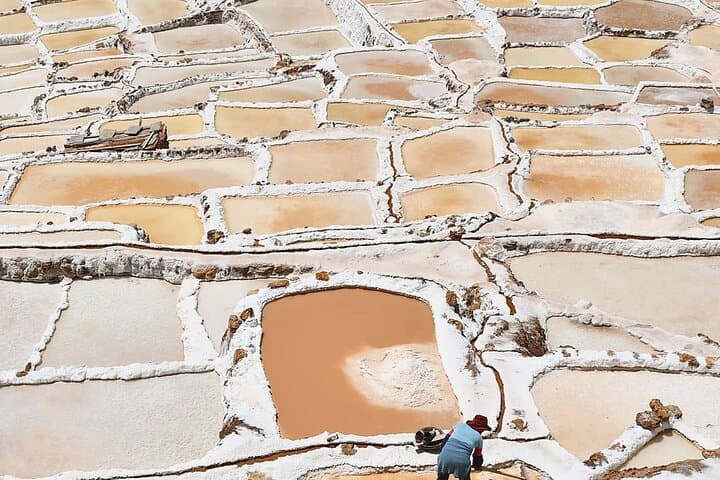
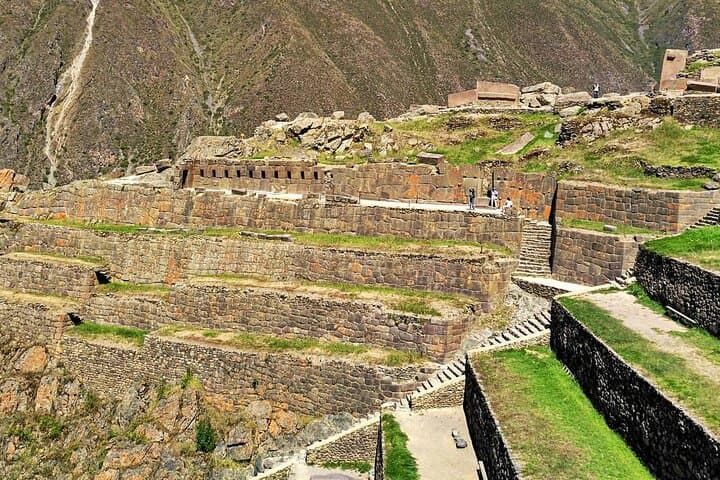
Maras’ salt pans are a spread of shallow evaporation chambers fed by a mineral spring — pre-Inca methods still in use — glittering like a low-lying constellation. The final stop is Ollantaytambo, a living Inca town with massive stone terraces and narrow streets that still harbor Quechua families.
Practical notes: the full excursion runs about 7–8 hours with 30–60 minute stops at each site, and transport to the Ollantaytambo train station for the onward trip to Aguas Calientes. Expect high-altitude sun, dusty paths and short walks on uneven stone. Bring cash for small purchases at markets and the Maras entrance, your passport for train tickets, and layers for rapidly changing temperatures. Plan lunch in Urubamba or carry snacks; acclimatize in Cusco beforehand to enjoy the in-between moments where landscape and culture press close.
easy.
7–8 hours.
Suitable for most fitness levels; involves short walks on uneven ground and standing during site visits.
No; the tour provides transport and a water bottle, but site admission fees and local guide fees are typically extra—carry cash.
Yes; the tour drops you at the Ollantaytambo train station—bring your passport and printed or mobile train ticket.
Each stop involves short, mostly low-impact walks of 20–60 minutes on uneven stone or dirt paths; comfortable shoes are recommended.
Yes; the operator notes infants must sit on laps and the route is rated easy, but altitude can affect young children—consult a pediatrician if unsure.
These sites reflect continuous occupation from pre-Inca through Inca periods: Moray functioned as an agricultural laboratory, Maras salt pans predate the Inca and Ollantaytambo remained an Inca stronghold and living community.
Visitor impact is managed locally through controlled access and small-scale tourism; support local craft workshops and avoid taking salt or artifacts to reduce pressure on cultural resources.
Taxi Express Cusco operates guided outdoor trips and adventures with an emphasis on safety, stewardship, and memorable experiences.
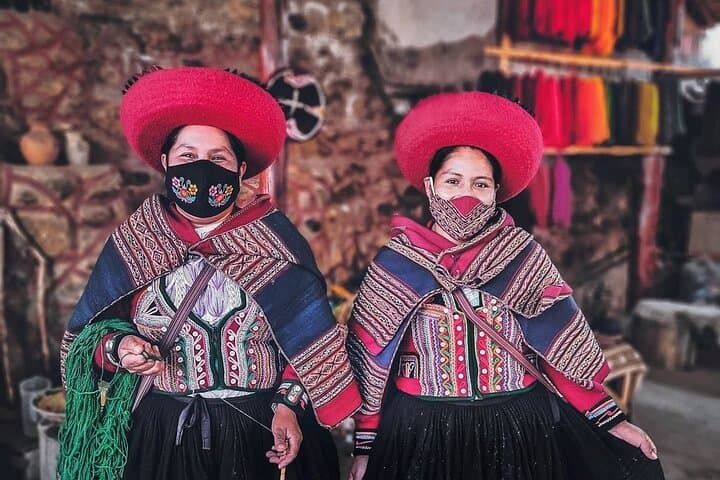
Before the sun fully warms the Urubamba Valley you’re already on the road — a private taxi threading high Andean light between hamlets, terraces and salt pans. The air is thin, the stone walls lean with centuries of repair, and the first stop in Chinchero places you beside a small colonial church perched on an Inca foundation where weavers turn alpaca into pattern and history.
Before the sun fully warms the Urubamba Valley you’re already on the road — a private taxi threading high Andean light between hamlets, terraces and salt pans. The air is thin, the stone walls lean with centuries of repair, and the first stop in Chinchero places you beside a small colonial church perched on an Inca foundation where weavers turn alpaca into pattern and history.
A short drive carries you to Moray, the concentric agricultural depressions that read like an ancient experiment in microclimates: rings cut into the earth where the Inca trialed potato varieties. The geology here is compacted volcanic sediment shaped by uplift and erosion; terraces hold soil and sun with ruthless efficiency.
Maras’ salt pans are a spread of shallow evaporation chambers fed by a mineral spring — pre-Inca methods still in use — glittering like a low-lying constellation. The final stop is Ollantaytambo, a living Inca town with massive stone terraces and narrow streets that still harbor Quechua families.
Practical notes: the full excursion runs about 7–8 hours with 30–60 minute stops at each site, and transport to the Ollantaytambo train station for the onward trip to Aguas Calientes. Expect high-altitude sun, dusty paths and short walks on uneven stone. Bring cash for small purchases at markets and the Maras entrance, your passport for train tickets, and layers for rapidly changing temperatures. Plan lunch in Urubamba or carry snacks; acclimatize in Cusco beforehand to enjoy the in-between moments where landscape and culture press close.