THE ADVENTURE COLLECTIVE® · Independent discovery and booking for outdoor travel

Combine a morning of Class I–III rafting on the Wilka Mayu with an afternoon horseback ride to the Cachicata Inka stone quarries. This private shore tour pairs river thrills with an up-close look at Inca quarrying and Andean landscapes.
Combine a morning of Class I–III rafting on the Wilka Mayu with an afternoon horseback ride to the Cachicata Inka stone quarries. This private shore tour pairs river thrills with an up-close look at Inca quarrying and Andean landscapes.
The river rips and then sighs—Wilka Mayu pushing between terraced slopes while condors wheel above. You meet your guide in Urubamba and drive toward Ollantaytambo, the valley opening like a sheaf of stepped fields. The first pulse of the day is the river: Class I–III rapids that tease adrenaline without demanding expert moves, framed by Inca terraces and scrubby Andean hills.
Verified experiences and guided adventures in the surrounding area.
Operated by taxiGo DMC · Ollantaytambo, Cusco Region
The river rips and then sighs—Wilka Mayu pushing between terraced slopes while condors wheel above. You meet your guide in Urubamba and drive toward Ollantaytambo, the valley opening like a sheaf of stepped fields. The first pulse of the day is the river: Class I–III rapids that tease adrenaline without demanding expert moves, framed by Inca terraces and scrubby Andean hills.
This corridor was forged by glacial action and Inca ambition. The Cachicata quarries higher on the slopes are where massive blocks were cut and fitted for Ollantaytambo’s temples; stone faces here still bear tool marks and the memory of precise pre-Columbian engineering. Geology and culture overlap—the river carved the route that made transportation and irrigation possible, and mule tracks later became riding paths.
After a riverside lunch, you swap paddles for reins. Local muleteers lead horses up to the Cachicata quarry, passing Tampu T’oqo caves and vantage points that look back to Ollantaytambo’s fortress. The ride is unhurried: cliffs, caves, and quarry scars tell a straightforward story of human labor against hard bedrock.
Practical guidance: bring layered clothing for cold mornings and warm afternoons, sun protection, and shoes that can get wet. Know how to swim and be comfortable on a horse—minimum age is 10. The dry season (May–September) offers clearer skies and gentler downstream flows; the rainy months can swell the river and muddy trails. Expect a full eight-hour day with private transport, safety briefing, life jacket and helmet, English-speaking guide, and a boxed lunch—upgrade options available for traditional Andean dishes.
moderate.
6–8 hours.
Suitable for people with average fitness; expect sustained activity on river and rides of several kilometers—straight-line stamina and balance help.
Yes—participants must know how to swim; a life jacket is provided but basic swimming ability is required for safety.
Minimum age is 10 years; the tour is suitable for people in normal physical condition and those comfortable on horses.
Yes—port and hotel pickup in the Sacred Valley area is included; pickup from Cusco can be arranged for an additional cost.
A boxed riverside lunch is included; traditional dishes such as roasted cuy or trout are available as paid upgrades.
The Cachicata quarries supplied the massive stone blocks used in nearby Ollantaytambo; you can still see extraction marks where Inca masons worked the granite.
The Sacred Valley is sensitive to erosion and water quality—stick to established trails, avoid polluting the river, and support local guides who practice low-impact tourism.
taxiGo DMC operates guided outdoor trips and adventures with an emphasis on safety, stewardship, and memorable experiences.
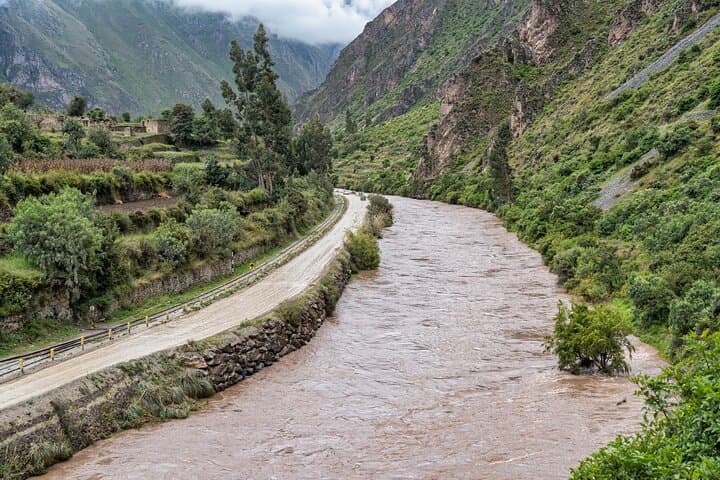
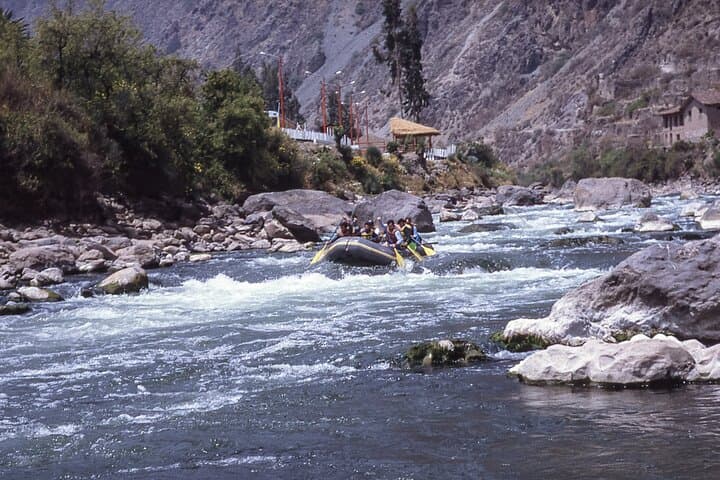
The river rips and then sighs—Wilka Mayu pushing between terraced slopes while condors wheel above. You meet your guide in Urubamba and drive toward Ollantaytambo, the valley opening like a sheaf of stepped fields. The first pulse of the day is the river: Class I–III rapids that tease adrenaline without demanding expert moves, framed by Inca terraces and scrubby Andean hills.
The river rips and then sighs—Wilka Mayu pushing between terraced slopes while condors wheel above. You meet your guide in Urubamba and drive toward Ollantaytambo, the valley opening like a sheaf of stepped fields. The first pulse of the day is the river: Class I–III rapids that tease adrenaline without demanding expert moves, framed by Inca terraces and scrubby Andean hills.
This corridor was forged by glacial action and Inca ambition. The Cachicata quarries higher on the slopes are where massive blocks were cut and fitted for Ollantaytambo’s temples; stone faces here still bear tool marks and the memory of precise pre-Columbian engineering. Geology and culture overlap—the river carved the route that made transportation and irrigation possible, and mule tracks later became riding paths.
After a riverside lunch, you swap paddles for reins. Local muleteers lead horses up to the Cachicata quarry, passing Tampu T’oqo caves and vantage points that look back to Ollantaytambo’s fortress. The ride is unhurried: cliffs, caves, and quarry scars tell a straightforward story of human labor against hard bedrock.
Practical guidance: bring layered clothing for cold mornings and warm afternoons, sun protection, and shoes that can get wet. Know how to swim and be comfortable on a horse—minimum age is 10. The dry season (May–September) offers clearer skies and gentler downstream flows; the rainy months can swell the river and muddy trails. Expect a full eight-hour day with private transport, safety briefing, life jacket and helmet, English-speaking guide, and a boxed lunch—upgrade options available for traditional Andean dishes.