THE ADVENTURE COLLECTIVE® · Independent discovery and booking for outdoor travel

Spend a day moving between highland farms, Inca terraces, and living weaving traditions in the Sacred Valley. This private tour pairs close-up encounters with alpacas and llamas with the archaeological highlights of Pisac, Ollantaytambo and Chinchero.
Spend a day moving between highland farms, Inca terraces, and living weaving traditions in the Sacred Valley. This private tour pairs close-up encounters with alpacas and llamas with the archaeological highlights of Pisac, Ollantaytambo and Chinchero.
The morning air in the Sacred Valley is thin and purposeful; the Andes push cool breath through terraces that climb like steps to the sky. A private minivan pulls away from Cusco and in an hour you’re at a small farm where alpacas and llamas pose for photos and the guide explains shearing and natural dyes used in textile traditions.
Verified experiences and guided adventures in the surrounding area.
Operated by Oldstone Adventures · Pisac, Cusco
The morning air in the Sacred Valley is thin and purposeful; the Andes push cool breath through terraces that climb like steps to the sky. A private minivan pulls away from Cusco and in an hour you’re at a small farm where alpacas and llamas pose for photos and the guide explains shearing and natural dyes used in textile traditions.
Geology and history sit side by side here: volcanic uplifts and river-carved benches created fertile valley soils that the Incas transformed into tiered agriculture. Pisac’s terraces and its sprawling cemetery reveal strategic settlement patterns, while Ollantaytambo’s sun temple shows precision stonework and massive blocks moved into place without iron tools. Chinchero offers highland markets and living weaving demonstrations where centuries-old motifs still inform modern designs.
Expect a practical rhythm—short walks across uneven stone, steep terraces, and busy markets where bargaining is part of the trade. There’s cultural immersion: artisans talking about natural dyes, farmers explaining alpaca breeds, and guides translating Quechua place names into meaning. Timing matters—arrive early at Pisac to avoid crowds and midday glare.
Plan for altitude and sun: hydrate before you leave Cusco, use layered clothing for sharp temperature swings, and wear grippy footwear for cobbled streets and Inca stairways. Bring small cash for market purchases and respect animal welfare—no chasing or feeding. The trip is a compact, full-day primer on Andean landscape, Inca engineering, and living textile traditions—an accessible introduction to the Sacred Valley that balances history, geology, and hands-on cultural exchange.
easy.
10 hours.
Suitable for most fitness levels; requires moderate walking on uneven surfaces and stairs at archaeological sites.
Walking includes short uphill sections, Inca staircases and uneven terrain; most participants with normal mobility manage fine if they take it steady.
This tour notes admissions as not included—expect to pay site entrance fees locally unless otherwise specified in booking details.
Yes, guides typically speak English and Spanish; some bilingual explanation of weaving and Quechua terms is standard.
Yes—pickup from central Cusco hotels is included, with an early morning departure around 7:30 AM.
The Sacred Valley was a core agrarian and administrative zone for the Incas; its terraces and temples reflect sophisticated water and land management developed before Spanish contact.
Support local artisans and stick to marked paths to limit erosion; avoid feeding animals and choose operators who prioritize animal welfare.
Oldstone Adventures operates guided outdoor trips and adventures with an emphasis on safety, stewardship, and memorable experiences.
The morning air in the Sacred Valley is thin and purposeful; the Andes push cool breath through terraces that climb like steps to the sky. A private minivan pulls away from Cusco and in an hour you’re at a small farm where alpacas and llamas pose for photos and the guide explains shearing and natural dyes used in textile traditions.
The morning air in the Sacred Valley is thin and purposeful; the Andes push cool breath through terraces that climb like steps to the sky. A private minivan pulls away from Cusco and in an hour you’re at a small farm where alpacas and llamas pose for photos and the guide explains shearing and natural dyes used in textile traditions.
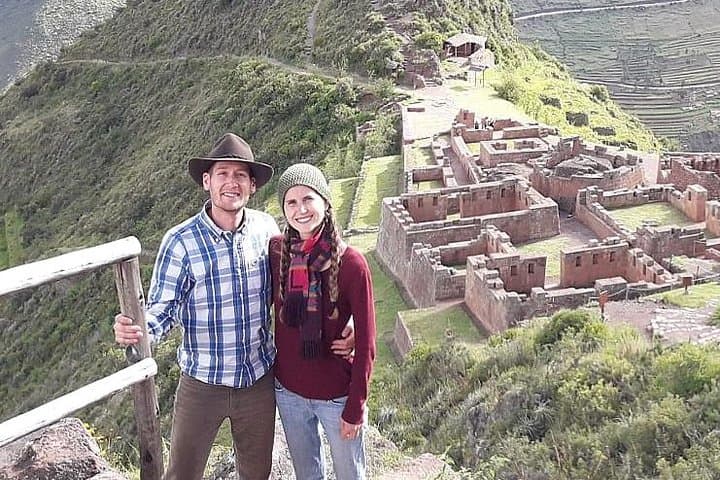
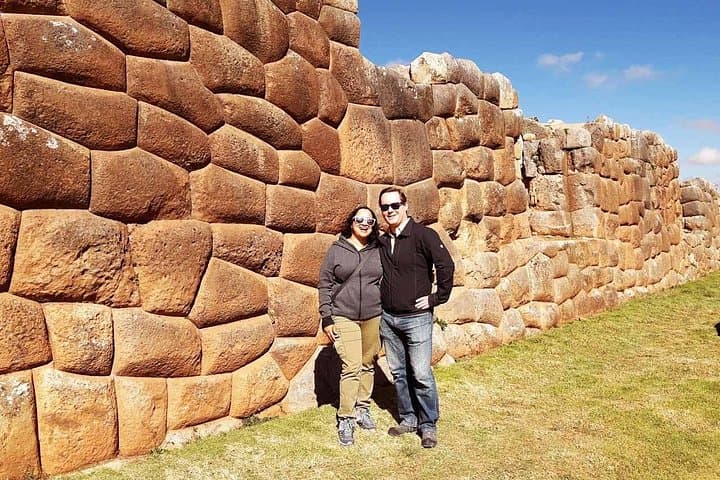
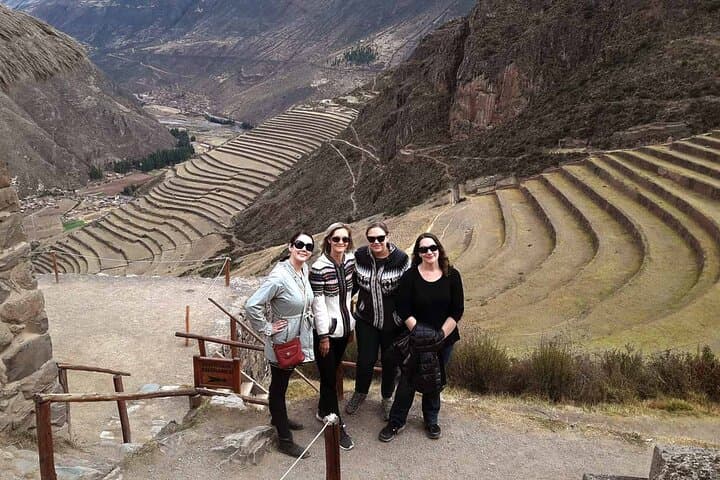
Geology and history sit side by side here: volcanic uplifts and river-carved benches created fertile valley soils that the Incas transformed into tiered agriculture. Pisac’s terraces and its sprawling cemetery reveal strategic settlement patterns, while Ollantaytambo’s sun temple shows precision stonework and massive blocks moved into place without iron tools. Chinchero offers highland markets and living weaving demonstrations where centuries-old motifs still inform modern designs.
Expect a practical rhythm—short walks across uneven stone, steep terraces, and busy markets where bargaining is part of the trade. There’s cultural immersion: artisans talking about natural dyes, farmers explaining alpaca breeds, and guides translating Quechua place names into meaning. Timing matters—arrive early at Pisac to avoid crowds and midday glare.
Plan for altitude and sun: hydrate before you leave Cusco, use layered clothing for sharp temperature swings, and wear grippy footwear for cobbled streets and Inca stairways. Bring small cash for market purchases and respect animal welfare—no chasing or feeding. The trip is a compact, full-day primer on Andean landscape, Inca engineering, and living textile traditions—an accessible introduction to the Sacred Valley that balances history, geology, and hands-on cultural exchange.