THE ADVENTURE COLLECTIVE® · Independent discovery and booking for outdoor travel

A compact, one-day circuit through the Sacred Valley that pairs the stepped salt pans of Maras with Moray’s experimental terraces and the stone ruins of Ollantaytambo and Pisac. Expect high-altitude walking, local markets, and vivid Andean landscapes.
A compact, one-day circuit through the Sacred Valley that pairs the stepped salt pans of Maras with Moray’s experimental terraces and the stone ruins of Ollantaytambo and Pisac. Expect high-altitude walking, local markets, and vivid Andean landscapes.
You step out of the minivan to thin, cool air and a slope of salt pans glittering like stepped mirrors below the Andean rim. The Salineras de Maras cut into the hillside—shallow terraces fed by a mineral spring—while terraces at Moray sit in concentric bowls that seem to test the sky. Throughout the day the valley shifts from rocky ridgelines to irrigated terraces and compact stone towns where llamas graze near ancient walls.
Verified experiences and guided adventures in the surrounding area.
Operated by DONPeruTours · Cusco, Cusco Region
You step out of the minivan to thin, cool air and a slope of salt pans glittering like stepped mirrors below the Andean rim. The Salineras de Maras cut into the hillside—shallow terraces fed by a mineral spring—while terraces at Moray sit in concentric bowls that seem to test the sky. Throughout the day the valley shifts from rocky ridgelines to irrigated terraces and compact stone towns where llamas graze near ancient walls.
These sites map layers of pre-Columbian ingenuity. Moray's circular terraces are often interpreted as an Inca agricultural laboratory that used microclimates to trial crops; Maras preserves a salt-harvesting method that predates the Incas and still supports local families. Ollantaytambo and Pisac offer visible Inca masonry—huge, shaped stones that fit with geometric precision—and cemetery terraces that reveal the valley’s ritual geography.
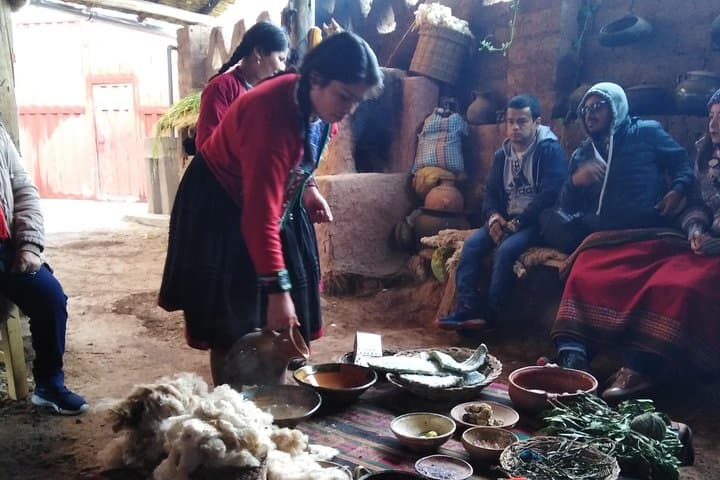
Geology here is active: young Andean uplift, tributary rivers, and mineral-rich springs create the soils and salts that supported high-altitude farming. Culturally, the Sacred Valley remains a living landscape—markets, Quechua-speaking communities, and traditional agriculture continue amid tourism.
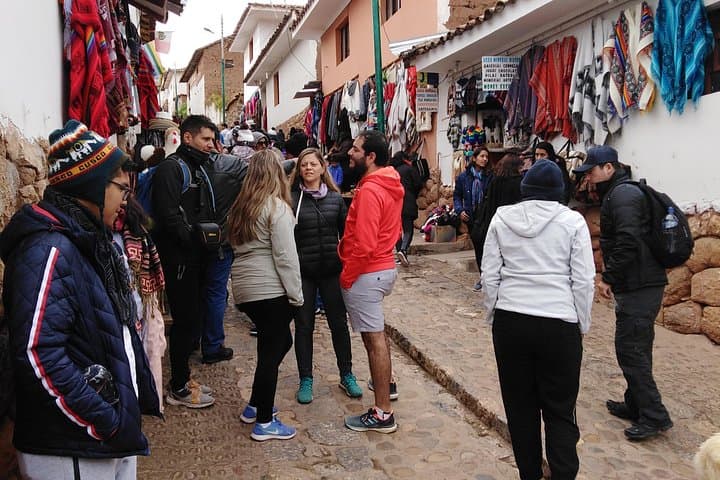
Practical guidance: this is a full-day, high-altitude circuit with short guided walks at each stop; expect uneven stonework and short stair climbs. Bring layers for sun and wind, a sunhat, two liters of water, and altitude-aware pacing. Photography windows are brief—arrive early at viewpoints, and leave time to explore local markets in Pisac or Ollantaytambo if your schedule allows.
moderate.
10–12 hours.
Moderate fitness and prior acclimatization to 3,300–3,800 m recommended; able to walk short uphill sections and stairs.
The itinerary is a full-day circuit (about 10–12 hours); exact pickup and return times depend on hotel location and traffic but expect to be back in Cusco in the evening.
The tour includes entrance to the Salineras de Maras; check with the operator about archaeological site fees for Moray, Pisac and Ollantaytambo as they sometimes require separate tickets or regional passes.
Short guided walks are involved and there are stone steps; not recommended for travelers with significant spinal injuries or those who cannot manage stairs and uneven terrain.
Yes—most itineraries include short visits to Pisac and Ollantaytambo markets, but time is limited; bring cash for purchases and be ready to bargain politely.
The Sacred Valley was a key agricultural and administrative zone for the Inca; terraces and stonework reflect centuries of Andean farming innovation and community labor systems.
Foot traffic erodes fragile terraces and salt pans—stick to marked paths, avoid disturbing springs, and support local guides and small family-run sellers.
DONPeruTours operates guided outdoor trips and adventures with an emphasis on safety, stewardship, and memorable experiences.
You step out of the minivan to thin, cool air and a slope of salt pans glittering like stepped mirrors below the Andean rim. The Salineras de Maras cut into the hillside—shallow terraces fed by a mineral spring—while terraces at Moray sit in concentric bowls that seem to test the sky. Throughout the day the valley shifts from rocky ridgelines to irrigated terraces and compact stone towns where llamas graze near ancient walls.
You step out of the minivan to thin, cool air and a slope of salt pans glittering like stepped mirrors below the Andean rim. The Salineras de Maras cut into the hillside—shallow terraces fed by a mineral spring—while terraces at Moray sit in concentric bowls that seem to test the sky. Throughout the day the valley shifts from rocky ridgelines to irrigated terraces and compact stone towns where llamas graze near ancient walls.
These sites map layers of pre-Columbian ingenuity. Moray's circular terraces are often interpreted as an Inca agricultural laboratory that used microclimates to trial crops; Maras preserves a salt-harvesting method that predates the Incas and still supports local families. Ollantaytambo and Pisac offer visible Inca masonry—huge, shaped stones that fit with geometric precision—and cemetery terraces that reveal the valley’s ritual geography.
Geology here is active: young Andean uplift, tributary rivers, and mineral-rich springs create the soils and salts that supported high-altitude farming. Culturally, the Sacred Valley remains a living landscape—markets, Quechua-speaking communities, and traditional agriculture continue amid tourism.
Practical guidance: this is a full-day, high-altitude circuit with short guided walks at each stop; expect uneven stonework and short stair climbs. Bring layers for sun and wind, a sunhat, two liters of water, and altitude-aware pacing. Photography windows are brief—arrive early at viewpoints, and leave time to explore local markets in Pisac or Ollantaytambo if your schedule allows.