THE ADVENTURE COLLECTIVE® · Independent discovery and booking for outdoor travel

A full-day journey from Cusco into the Sacred Valley that pairs Inca ruins, salt pans and living Quechua culture. Expect 10–12 hours, moderate walking, high-altitude vistas and practical tips for acclimatization and market visits.
A full-day journey from Cusco into the Sacred Valley that pairs Inca ruins, salt pans and living Quechua culture. Expect 10–12 hours, moderate walking, high-altitude vistas and practical tips for acclimatization and market visits.
You climb out of Cusco with the high Andes opening like a slow-motion door: the Urubamba River below dares you toward the valley floor while terraced fields step down the mountain sides, each level a living experiment in altitude farming.
Verified experiences and guided adventures in the surrounding area.
Operated by Milenario Tours · Cusco, Cusco
You climb out of Cusco with the high Andes opening like a slow-motion door: the Urubamba River below dares you toward the valley floor while terraced fields step down the mountain sides, each level a living experiment in altitude farming.
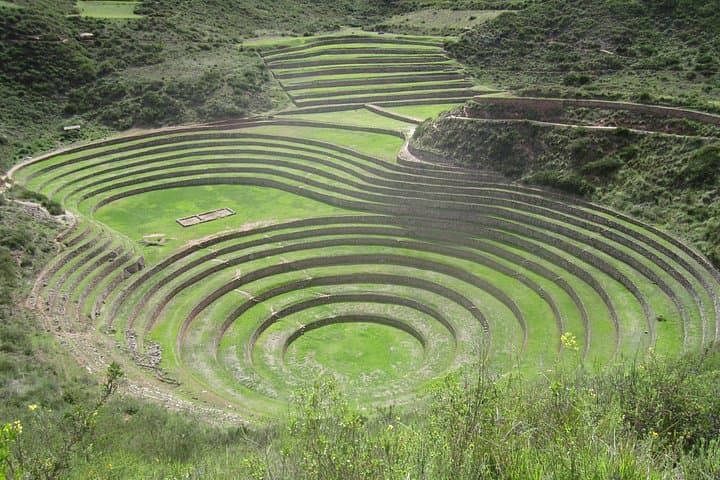
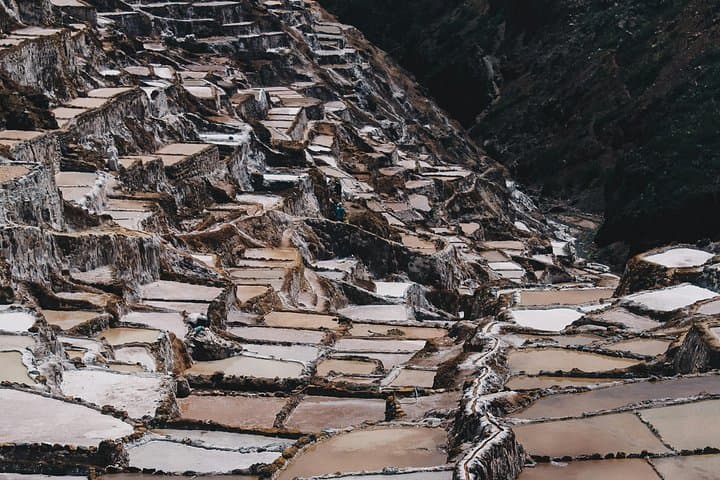
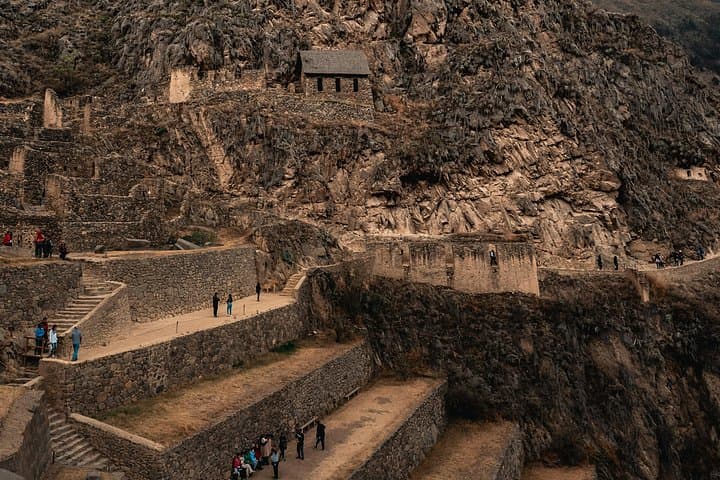
This full-day loop through the Sacred Valley tracks a chain of Inca ingenuity — Chinchero’s textile looms and colonial church, the agricultural test plots that reveal vertical cropping strategies, the glittering pans of Maras where salt has been harvested for centuries, and the steep stone streets of Ollantaytambo, a living Inca village and fortress.
Geology here is blunt: uplifted volcanic and sedimentary layers carved by rivers create narrow canyons and broad valley benches that supported pre-Columbian agriculture. Culturally, the valley remains Quechua-speaking, with markets and weaving traditions that survive in daily life.
Practical edge: expect 10–12 hours on the road, simple walks of 30–90 minutes at each stop, cobbled streets and steps — not technical, but steep. Elevations range roughly 2,700–3,400 m, so acclimatization matters more than pace. Bring water, sun protection, and small change for market vendors; lightweight layers handle swings from cold mornings to intense sun at midday.
The day balances slow cultural immersion with on-the-move discovery — archaeological platforms that push your gaze outward, salt pans that glitter like a grid, and weavers who will patiently show you natural-dye techniques. By dusk you return to Cusco with a clear sense of why the valley shaped Inca agriculture, politics, and community life.
moderate.
10–12 hours.
Moderate fitness; comfortable walking on uneven ground and several short climbs is needed; be able to walk 30–90 minutes intermittently.
The tour runs approximately 10–12 hours; most departures return to Cusco in the late afternoon or early evening depending on traffic and time spent at each stop.
Yes with precautions—children and seniors should be prepared for long days, altitude effects, and uneven walking surfaces; inform the operator of mobility needs.
This itinerary notes some admissions as not included; check with the operator whether a tourist ticket (Boleto Turístico) is required or included for sites like Pisac and Ollantaytambo.
A buffet lunch in Urubamba is included; bring light snacks and avoid heavy alcohol before or during the day to reduce altitude discomfort.
The Sacred Valley was central to Inca agriculture and logistics—terraces and storehouses here supported Cusco and later imperial projects.
Visitors should stick to marked paths in ruins and avoid buying wildlife products; supporting local cooperatives helps keep traditional weaving viable and sustainable.
Milenario Tours operates guided outdoor trips and adventures with an emphasis on safety, stewardship, and memorable experiences.
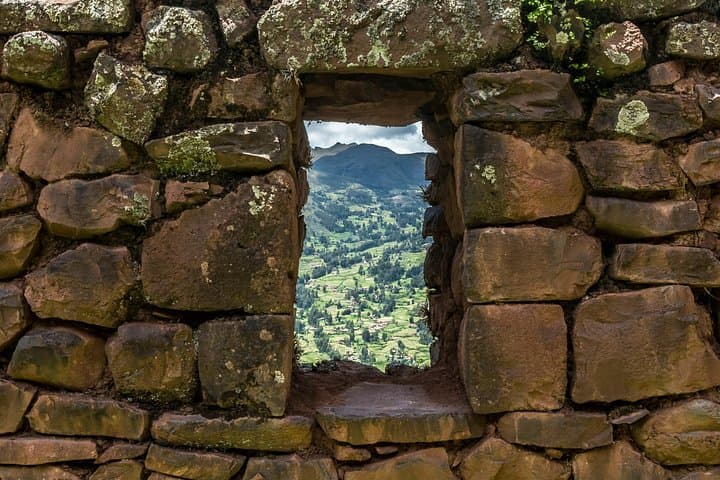
You climb out of Cusco with the high Andes opening like a slow-motion door: the Urubamba River below dares you toward the valley floor while terraced fields step down the mountain sides, each level a living experiment in altitude farming.
You climb out of Cusco with the high Andes opening like a slow-motion door: the Urubamba River below dares you toward the valley floor while terraced fields step down the mountain sides, each level a living experiment in altitude farming.
This full-day loop through the Sacred Valley tracks a chain of Inca ingenuity — Chinchero’s textile looms and colonial church, the agricultural test plots that reveal vertical cropping strategies, the glittering pans of Maras where salt has been harvested for centuries, and the steep stone streets of Ollantaytambo, a living Inca village and fortress.
Geology here is blunt: uplifted volcanic and sedimentary layers carved by rivers create narrow canyons and broad valley benches that supported pre-Columbian agriculture. Culturally, the valley remains Quechua-speaking, with markets and weaving traditions that survive in daily life.
Practical edge: expect 10–12 hours on the road, simple walks of 30–90 minutes at each stop, cobbled streets and steps — not technical, but steep. Elevations range roughly 2,700–3,400 m, so acclimatization matters more than pace. Bring water, sun protection, and small change for market vendors; lightweight layers handle swings from cold mornings to intense sun at midday.
The day balances slow cultural immersion with on-the-move discovery — archaeological platforms that push your gaze outward, salt pans that glitter like a grid, and weavers who will patiently show you natural-dye techniques. By dusk you return to Cusco with a clear sense of why the valley shaped Inca agriculture, politics, and community life.