THE ADVENTURE COLLECTIVE® · Independent discovery and booking for outdoor travel

A compact, full-day tour that threads Pisac, Urubamba and Ollantaytambo into a single day of Inca archaeology, markets and highland scenery. Ideal for visitors short on time who want a strong introduction to Sacred Valley culture and landscape.
A compact, full-day tour that threads Pisac, Urubamba and Ollantaytambo into a single day of Inca archaeology, markets and highland scenery. Ideal for visitors short on time who want a strong introduction to Sacred Valley culture and landscape.
You step out of Cusco’s thin air before dawn and the bus eases into a valley that seems to have been carved for strategy and sunlight. Terraces climb like steps on the hillsides, river channels gleam below, and small towns—Pisac, Urubamba, Ollantaytambo—unfurl in colors of adobe and woven cloth.
Verified experiences and guided adventures in the surrounding area.
Operated by Tour Machu picchu best · Urubamba, Cusco
You step out of Cusco’s thin air before dawn and the bus eases into a valley that seems to have been carved for strategy and sunlight. Terraces climb like steps on the hillsides, river channels gleam below, and small towns—Pisac, Urubamba, Ollantaytambo—unfurl in colors of adobe and woven cloth.
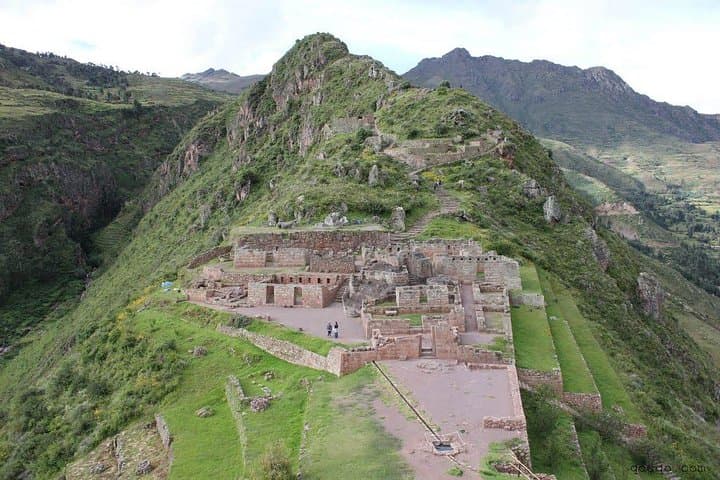
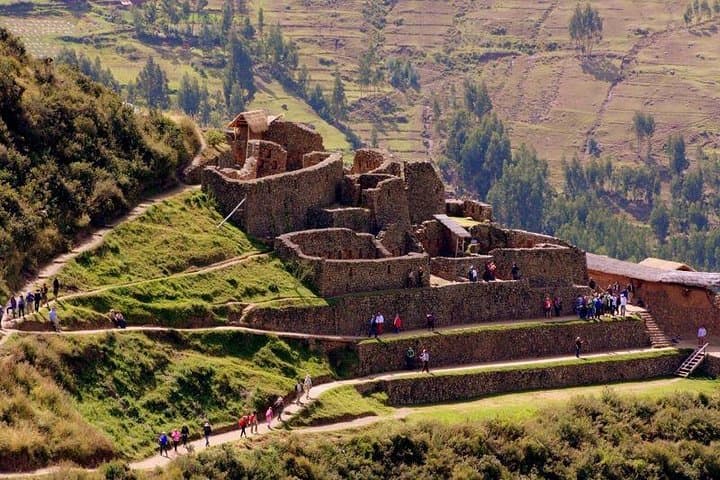
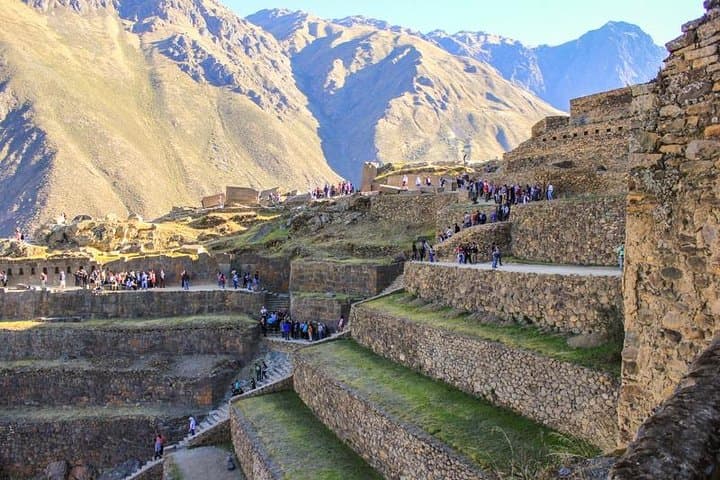
The Sacred Valley was the agricultural heartland of the Inca world, chosen for its lower elevation, milder microclimates and fertile river plains. Geology here is active: steep glacial-carved valleys, flanking Andean ridges, and the Urubamba River threading the floor. Culture remains visible—stonework at Pisac and the fortress-temple at Ollantaytambo show Inca masonry and military planning while the local markets preserve textile and barter traditions.
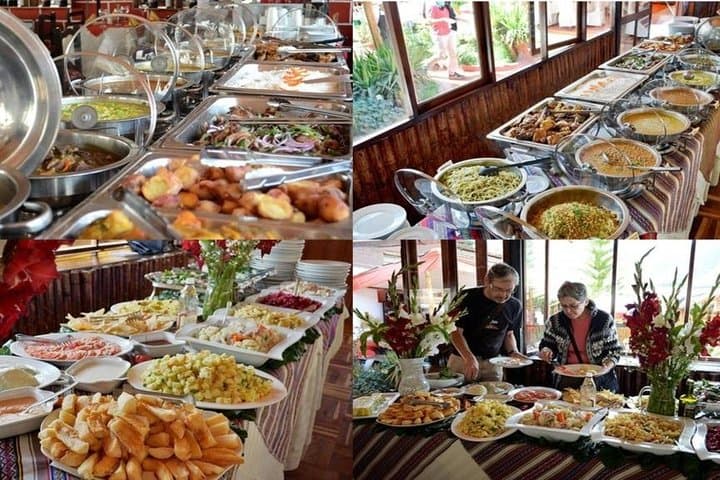
On a one-day shared tour you’ll hit major sites, pause for a buffet lunch in Urubamba, and have guided visits at key archaeological complexes. Expect short steep walks, stairways hewn from bedrock, and moments of altitude awareness as you climb to lookouts.
Practical guidance: start hydrated, sleep well the night before, and wear layered clothing—sun at midday, chilly wind at higher overlooks. Bring cash for site entry fees and market purchases; sites often require separate museum or park tickets. The day runs about 10 hours with moderate walking interspersed with coach transfers. If you have back or heart issues, consult your doctor—some ruins involve uneven terrain and steep stairs. For first-time visitors, this tour is an efficient showcase of the valley’s archaeology, living culture, and landscape in a single, full day.
moderate.
10 hours.
Light to moderate fitness; able to walk short steep staircases and stand during guided stops. Acclimatization to altitude recommended.
Most tour packages include transport, guide and lunch; park and archaeological site entrance fees are often separate—confirm at booking and bring cash or card.
Pickups are typically before 8:45 a.m., with a return to Cusco in the early evening—expect around 7:00 p.m. depending on traffic and group size.
Many sites have steep steps and uneven surfaces; the tour notes it’s not recommended for people with severe back problems or those with limited mobility.
The Sacred Valley sits at lower altitudes than Cusco but you can still feel effects—drink water, avoid heavy meals and consider coca tea or prophylactic measures if advised by a physician.
The valley was a core Inca breadbasket and strategic corridor connecting Cusco to the eastern lowlands; many sites served both agricultural and defensive roles.
Visitor management and ticketing help limit wear on fragile stonework—stay on designated paths, avoid touching carved surfaces, and support community vendors directly.
Tour Machu picchu best operates guided outdoor trips and adventures with an emphasis on safety, stewardship, and memorable experiences.
You step out of Cusco’s thin air before dawn and the bus eases into a valley that seems to have been carved for strategy and sunlight. Terraces climb like steps on the hillsides, river channels gleam below, and small towns—Pisac, Urubamba, Ollantaytambo—unfurl in colors of adobe and woven cloth.
You step out of Cusco’s thin air before dawn and the bus eases into a valley that seems to have been carved for strategy and sunlight. Terraces climb like steps on the hillsides, river channels gleam below, and small towns—Pisac, Urubamba, Ollantaytambo—unfurl in colors of adobe and woven cloth.
The Sacred Valley was the agricultural heartland of the Inca world, chosen for its lower elevation, milder microclimates and fertile river plains. Geology here is active: steep glacial-carved valleys, flanking Andean ridges, and the Urubamba River threading the floor. Culture remains visible—stonework at Pisac and the fortress-temple at Ollantaytambo show Inca masonry and military planning while the local markets preserve textile and barter traditions.
On a one-day shared tour you’ll hit major sites, pause for a buffet lunch in Urubamba, and have guided visits at key archaeological complexes. Expect short steep walks, stairways hewn from bedrock, and moments of altitude awareness as you climb to lookouts.
Practical guidance: start hydrated, sleep well the night before, and wear layered clothing—sun at midday, chilly wind at higher overlooks. Bring cash for site entry fees and market purchases; sites often require separate museum or park tickets. The day runs about 10 hours with moderate walking interspersed with coach transfers. If you have back or heart issues, consult your doctor—some ruins involve uneven terrain and steep stairs. For first-time visitors, this tour is an efficient showcase of the valley’s archaeology, living culture, and landscape in a single, full day.