THE ADVENTURE COLLECTIVE® · Independent discovery and booking for outdoor travel

Drive the heart of the Inca Empire in a single day: markets, terraces and living textile traditions threaded through a sweeping highland valley. This private full-day tour from Cusco pairs archaeological highlights with cultural encounters and practical, altitude‑aware logistics.
Drive the heart of the Inca Empire in a single day: markets, terraces and living textile traditions threaded through a sweeping highland valley. This private full-day tour from Cusco pairs archaeological highlights with cultural encounters and practical, altitude‑aware logistics.
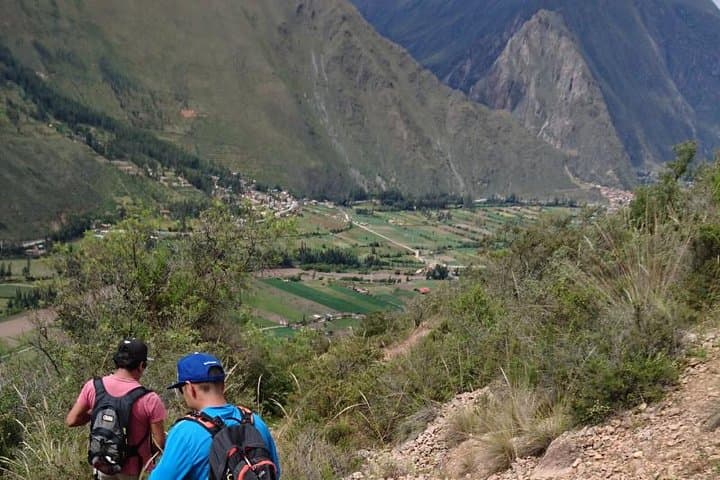
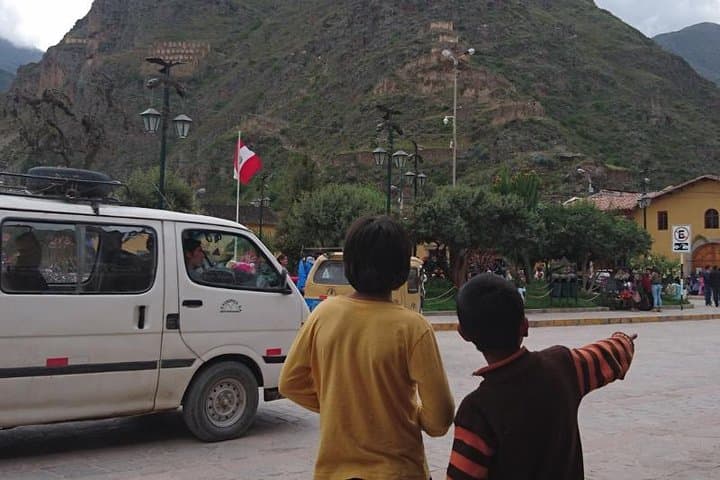
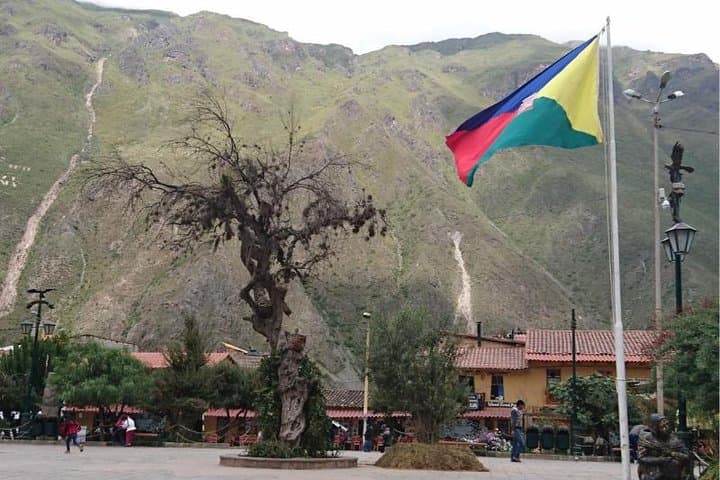
A winding ribbon of road carves down from Cusco into a high Andean valley where terraced slopes step like carved fingers toward the Urubamba River. On a full-day private tour, visitors ride with a guide and driver through market towns, archaeological complexes and villages where woven textiles hang from lines like living records of technique and memory.
Verified experiences and guided adventures in the surrounding area.
Operated by Discover Inca Planet · Urubamba, Cusco
A winding ribbon of road carves down from Cusco into a high Andean valley where terraced slopes step like carved fingers toward the Urubamba River. On a full-day private tour, visitors ride with a guide and driver through market towns, archaeological complexes and villages where woven textiles hang from lines like living records of technique and memory.
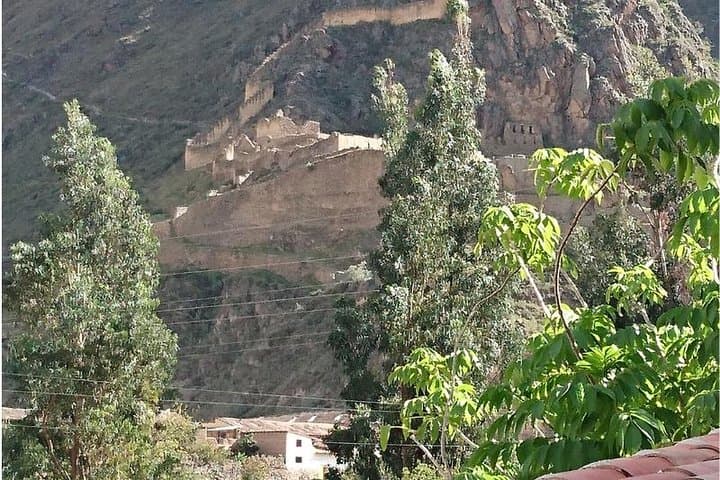
The valley was the agricultural and administrative heart of the Inca state; sites you pass—Pisac’s market and terraces, the living plan of Ollantaytambo, and Chinchero’s colonial church—trace both pre-Columbian engineering and Spanish-era reconfiguration. Geology here is stark: glacial-carved valleys and exposed volcanic and sedimentary layers that funnel weather and water into narrow, fertile floodplains.
Culturally the route is immediate and tactile: open-air markets alive with local Quechua speech, back-strap looms clicking in family workshops, and restaurants serving highland corn, quinoa and local trout. Small sites like the nearby salt pans at Maras and experimental circular terraces at Moray speak to adaptive agriculture rather than spectacle.
Practical guidance: expect a 9-hour day with moderate altitude exposure—bring water, sensible shoes and sun layers; the driving is comfortable but includes unpaved stretches. Plan pickups from Cusco early to avoid afternoon clouds, and budget time for market browsing and a relaxed lunch in the Urubamba valley. If you want to minimize impact, buy textiles directly from cooperative stalls and follow local guidance when photographing people and rituals.
easy.
9 hours.
Suitable for most fitness levels; expect light walking on uneven surfaces and some short stair climbs at ruins.
The tour is approximately 9 hours (about 540 minutes) with stops in Pisac, Urubamba for lunch, Ollantaytambo, and Chinchero; exact timings depend on pickup and traffic.
The tour is marketed as suitable for all fitness levels and has wheelchair-accessible transport, but some ruins include stairs and uneven terrain that may be challenging.
Some archaeological sites require separate entrance fees (e.g., sites included in the Cusco Tourist Ticket); confirm with your operator whether admissions are included.
Yes—markets and Chinchero workshops sell handwoven textiles; buy from cooperatives or known stalls to support fair pricing and local livelihoods.
The Sacred Valley was a strategic agricultural and administrative zone for the Inca, supplying Cusco with crops and serving as a defensive corridor.
Visitors are encouraged to stay on trails, avoid feeding wildlife, and purchase textiles directly from local cooperatives to support sustainable economic alternatives.
Discover Inca Planet operates guided outdoor trips and adventures with an emphasis on safety, stewardship, and memorable experiences.
A winding ribbon of road carves down from Cusco into a high Andean valley where terraced slopes step like carved fingers toward the Urubamba River. On a full-day private tour, visitors ride with a guide and driver through market towns, archaeological complexes and villages where woven textiles hang from lines like living records of technique and memory.
A winding ribbon of road carves down from Cusco into a high Andean valley where terraced slopes step like carved fingers toward the Urubamba River. On a full-day private tour, visitors ride with a guide and driver through market towns, archaeological complexes and villages where woven textiles hang from lines like living records of technique and memory.
The valley was the agricultural and administrative heart of the Inca state; sites you pass—Pisac’s market and terraces, the living plan of Ollantaytambo, and Chinchero’s colonial church—trace both pre-Columbian engineering and Spanish-era reconfiguration. Geology here is stark: glacial-carved valleys and exposed volcanic and sedimentary layers that funnel weather and water into narrow, fertile floodplains.
Culturally the route is immediate and tactile: open-air markets alive with local Quechua speech, back-strap looms clicking in family workshops, and restaurants serving highland corn, quinoa and local trout. Small sites like the nearby salt pans at Maras and experimental circular terraces at Moray speak to adaptive agriculture rather than spectacle.
Practical guidance: expect a 9-hour day with moderate altitude exposure—bring water, sensible shoes and sun layers; the driving is comfortable but includes unpaved stretches. Plan pickups from Cusco early to avoid afternoon clouds, and budget time for market browsing and a relaxed lunch in the Urubamba valley. If you want to minimize impact, buy textiles directly from cooperative stalls and follow local guidance when photographing people and rituals.