THE ADVENTURE COLLECTIVE® · Independent discovery and booking for outdoor travel

Walk a rickshaw-lined path into Urubamba's bustling market, then learn to turn local produce into classic Peruvian dishes with a professional chef. This three to four hour experience blends hands-on cooking with cultural insight into Sacred Valley foodways.
Walk a rickshaw-lined path into Urubamba's bustling market, then learn to turn local produce into classic Peruvian dishes with a professional chef. This three to four hour experience blends hands-on cooking with cultural insight into Sacred Valley foodways.
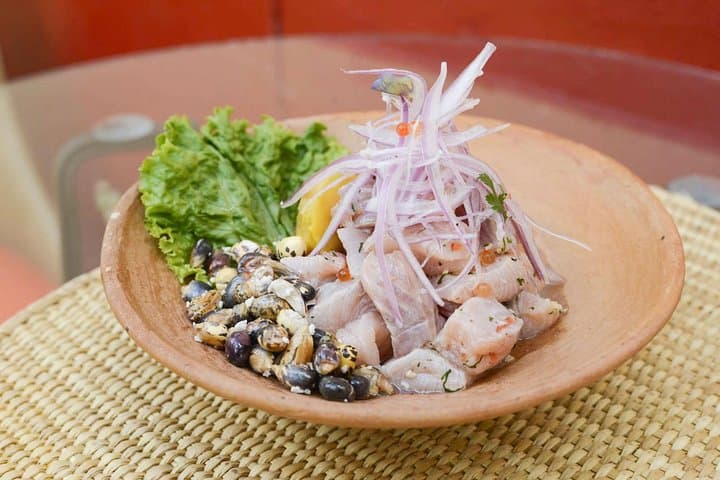
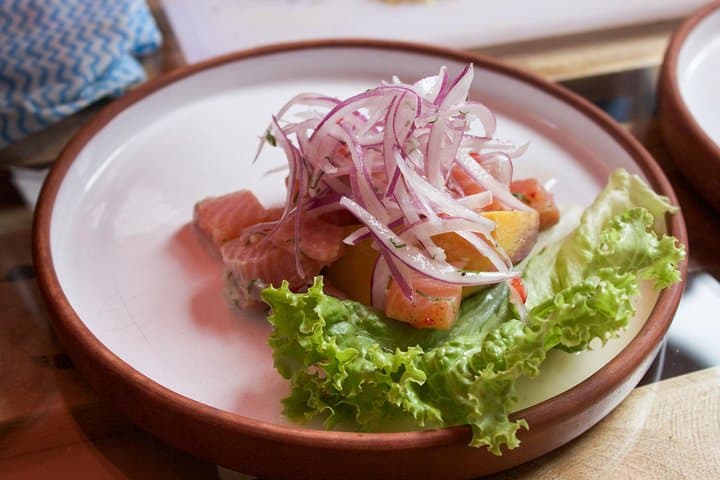
Dust from the plaza clings to shoes and the air tastes of citrus and earth as a rickshaw threads between stalls—this is the opening scene of a market tour and cooking lesson hosted in Urubamba's outdoor kitchens. Participants meet a local host, step into a municipal market where produce, tubers and live animals crowd the aisles, then return to a family-run cocina to turn market finds into ceviche, lomo saltado and papa a la huancaina.
Verified experiences and guided adventures in the surrounding area.
Operated by Traveling Spoon · Urubamba, Cusco
Dust from the plaza clings to shoes and the air tastes of citrus and earth as a rickshaw threads between stalls—this is the opening scene of a market tour and cooking lesson hosted in Urubamba's outdoor kitchens. Participants meet a local host, step into a municipal market where produce, tubers and live animals crowd the aisles, then return to a family-run cocina to turn market finds into ceviche, lomo saltado and papa a la huancaina.
Urubamba sits in the Sacred Valley of the Incas, carved by Andean uplift and the Urubamba River; terraces and small farms visible from the market reflect centuries of highland agriculture. The lesson pairs everyday culinary techniques with cultural context—learn why yellow aji and lime are central to coastal and valley dishes, or how cuy and alpaca once featured in local diets and ceremonies.
Expect a mix of walking on uneven cobbles and standing in a shaded outdoor kitchen for hands-on prep. The host demonstrates fish cutting for ceviche, balancing acid and heat, and offers options for vegetarian diets. Timing is deliberate: market scouting takes about 45–60 minutes, cooking and eating fill the remaining three hours. Practical notes: bring small bills for market purchases, disclose allergies ahead of time, and allow extra time for transport from Cusco or Ollantaytambo.
This experience is part culinary lesson, part cultural exchange—ideal for travelers who want a grounded taste of Peruvian ingredients and household techniques. It’s accessible, sociable, and rooted in the rhythms of highland foodways.
easy.
3–4 hours.
Light activity level; participants should be able to walk 0.5–1 mile over uneven ground and stand for 1–2 hours while cooking.
The activity lasts about four hours: a market visit (45–60 minutes) followed by a three-hour cooking demo and meal.
Yes—requests for vegetarian options or specific allergies should be noted at booking so the host can adapt recipes.
Meetings are typically at the host's location in Pakakuna or a designated point in Urubamba; exact details are provided after booking.
Participants can choose a demonstration or hands-on format—indicate your preference during booking to ensure appropriate preparations.
Urubamba is in the Sacred Valley, an agricultural corridor shaped by Inca terrace farming and trade routes connecting highland communities to Cusco.
Support small vendors and avoid single-use plastics; buying local ingredients keeps economic benefits in valley communities and reduces transportation emissions.
Traveling Spoon operates guided outdoor trips and adventures with an emphasis on safety, stewardship, and memorable experiences.
Dust from the plaza clings to shoes and the air tastes of citrus and earth as a rickshaw threads between stalls—this is the opening scene of a market tour and cooking lesson hosted in Urubamba's outdoor kitchens. Participants meet a local host, step into a municipal market where produce, tubers and live animals crowd the aisles, then return to a family-run cocina to turn market finds into ceviche, lomo saltado and papa a la huancaina.
Dust from the plaza clings to shoes and the air tastes of citrus and earth as a rickshaw threads between stalls—this is the opening scene of a market tour and cooking lesson hosted in Urubamba's outdoor kitchens. Participants meet a local host, step into a municipal market where produce, tubers and live animals crowd the aisles, then return to a family-run cocina to turn market finds into ceviche, lomo saltado and papa a la huancaina.
Urubamba sits in the Sacred Valley of the Incas, carved by Andean uplift and the Urubamba River; terraces and small farms visible from the market reflect centuries of highland agriculture. The lesson pairs everyday culinary techniques with cultural context—learn why yellow aji and lime are central to coastal and valley dishes, or how cuy and alpaca once featured in local diets and ceremonies.
Expect a mix of walking on uneven cobbles and standing in a shaded outdoor kitchen for hands-on prep. The host demonstrates fish cutting for ceviche, balancing acid and heat, and offers options for vegetarian diets. Timing is deliberate: market scouting takes about 45–60 minutes, cooking and eating fill the remaining three hours. Practical notes: bring small bills for market purchases, disclose allergies ahead of time, and allow extra time for transport from Cusco or Ollantaytambo.
This experience is part culinary lesson, part cultural exchange—ideal for travelers who want a grounded taste of Peruvian ingredients and household techniques. It’s accessible, sociable, and rooted in the rhythms of highland foodways.